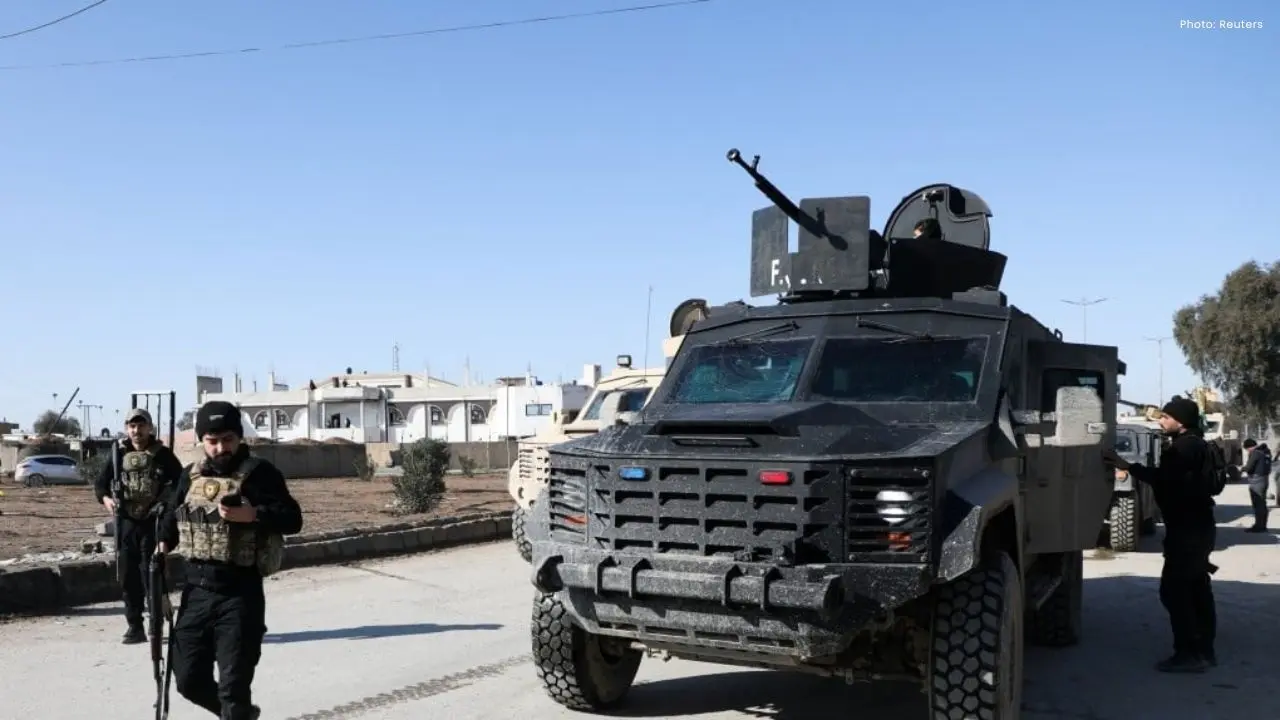
Syria is at a pivotal juncture as the government has given Kurdish-led forces a mere four days to agree to their integration into the national framework. This decision coincides with indications that the United States is scaling back its longstanding support for these groups, highlighting a significant transformation in the Syrian conflict since the downfall of former President Bashar al-Assad.
On Tuesday, the Syrian government announced a ceasefire with the Syrian Democratic Forces (SDF) that will last for four days. During this period, the SDF is expected to devise a plan for their inclusion in Syria’s central institutions. Should no agreement materialize, state forces are prepared to advance into SDF-held regions in the northeast.
The SDF, primarily composed of Kurdish fighters, has been a crucial ally of the US in the struggle against the Islamic State group. In the past, US air support enabled the SDF to control vast areas of northeastern Syria. However, recent weeks have witnessed rapid changes in this dynamic, with Syrian forces reclaiming territory while the SDF retreats to predominantly Kurdish areas.
The US has played a significant role in this evolving situation. A senior US envoy indicated that the original rationale for their support of the SDF has mainly dissipated. He suggested that the offer of integration into the Syrian state presents the Kurds with their best opportunity for guaranteed citizenship rights, cultural protections, and political voice. He also stated that the US has no long-lasting plans to maintain a presence in Syria.
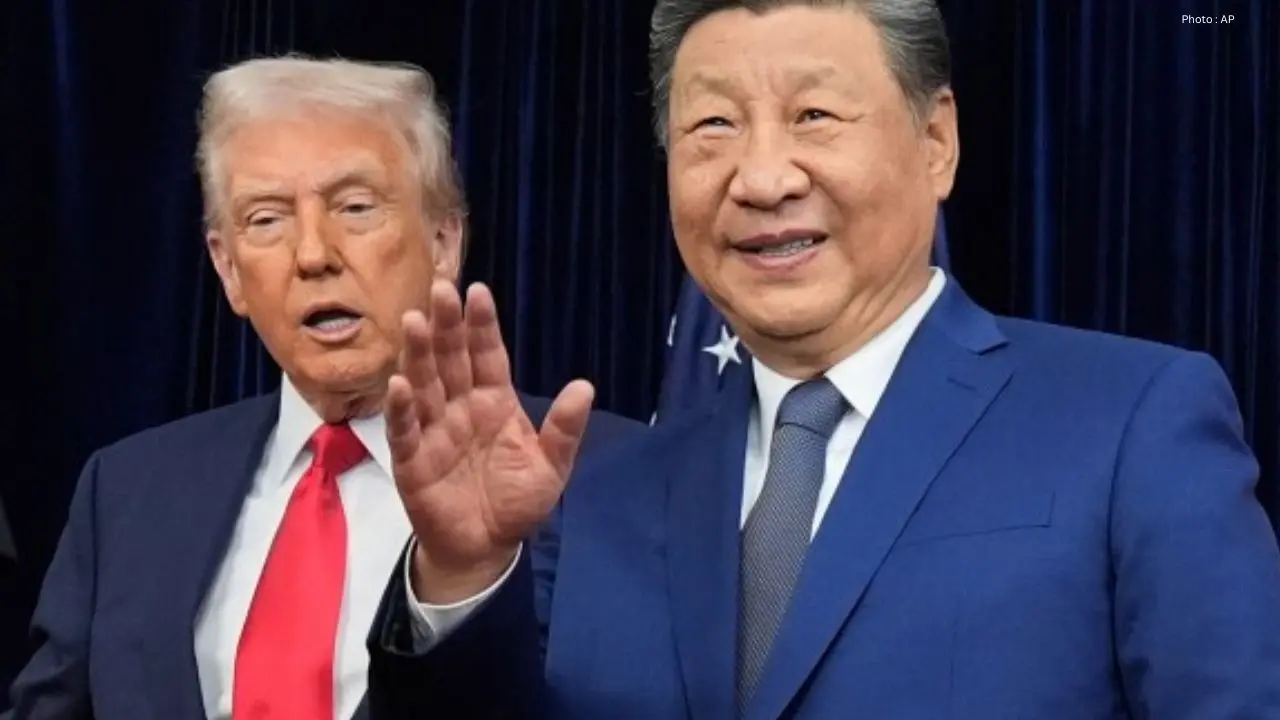
President Donald Trump seemed to express support for Syria’s new government, commending President Ahmed al-Sharaa for his initiatives. Trump noted discussions with Sharaa about facilities in northeastern Syria housing captured Islamic State militants while mentioning efforts to continue safeguarding the Kurdish community despite the US's reduced involvement.
The Syrian government indicated that the four-day ceasefire was to commence Tuesday evening, during which they urged the SDF to submit a plan for integration in Hasakah province. As part of this process, the SDF was also requested to propose a candidate for a senior role within the defense ministry in Damascus, with assurances that government forces would not enter the cities of Hasakah or Qamishli throughout the ceasefire.
Regional dynamics in northeastern Syria are complex, with a populace comprised of both Kurds and Arabs, alongside borders with Turkey and Iraq. Turkey has historically opposed the main Kurdish faction within the SDF, viewing it as tied to militant organizations within its own borders. This adds layers of tension between Syria, its neighbors, and other global actors.
The status of Islamic State detainees remains a pressing concern, with countless fighters and civilians linked to the group secured in facilities overseen by the SDF. As the SDF has retreated, there have been escape incidents, although many were swiftly re-captured by Syrian forces. The Syrian government has stated its readiness to assume responsibility for these detention sites.
Clashes between the SDF and government forces escalated earlier this month after negotiations regarding the future of SDF fighters and territorial claims broke down. While the SDF has consented to withdraw from various predominantly Arab regions, it retains control over several key cities with diverse demographics.
This scenario puts the Kurdish forces in a challenging dilemma. Accepting integration may forfeit their military autonomy but could secure legal and political recognition within Syria. Conversely, rejecting it could provoke additional conflict as US support wanes.
As the four-day deadline nears, the decisions made by both factions will be crucial in shaping the future landscape of northeastern Syria. The implications will resonate far beyond the local Kurdish and Arab residents, influencing regional stability and the broader fight against extremist elements.