Switzerland, known for its longstanding neutrality and safety, is receiving a stark warning from its military commander. The head of the Swiss Army has publicly stated that the nation lacks the capability to defend itself in the event of a full-scale military invasion. This statement has ignited discussions around the country's defense funding and overall security posture in today’s evolving landscape.
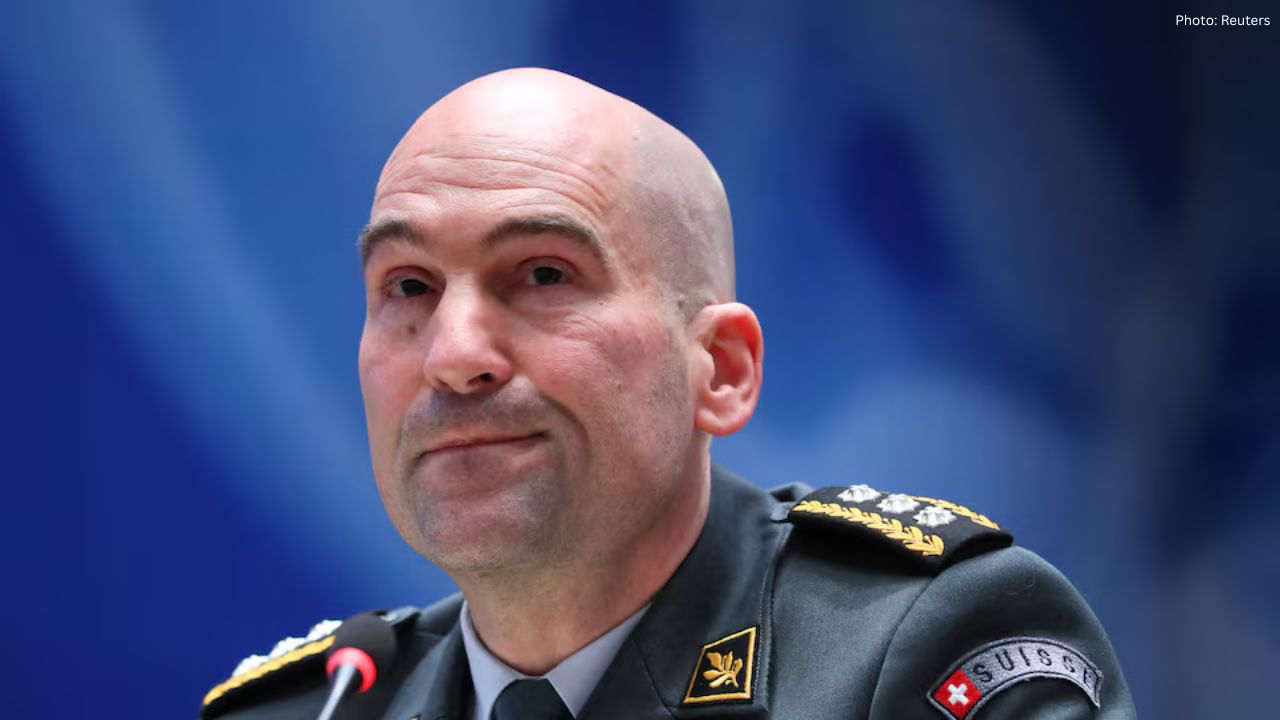
Lieutenant General Thomas Suessli, who will conclude his tenure as army chief by year-end, made these assertions during a recent interview with a Swiss publication. He mentioned that while the nation is equipped to handle smaller threats like cyber intrusions or sabotage from non-state actors, it cannot withstand a significant military offensive from another nation.
Suessli revealed concerning gaps in the Swiss army's equipment and state of preparedness. Under emergency conditions, only about one-third of Swiss soldiers would be fully outfitted to engage in combat. This situation is particularly alarming in light of increased security threats in Europe, particularly following Russia's invasion of Ukraine.
The Swiss government has already started to boost its defense budget. Initiatives include modernizing artillery, upgrading ground forces, and transitioning to new F-35A fighter jets manufactured by Lockheed Martin. However, these projects have faced scrutiny due to soaring costs, and some legislators are questioning the wisdom of pursuing heavy military spending amid tight public finances.
Moreover, Suessli contested the widespread notion that Switzerland's neutrality guarantees safety. He pointed out that many believe neutrality means a country will remain untouched by conflict, yet history has shown that several neutral nations found themselves embroiled in wars due to inadequate military readiness.
“Neutrality is only effective if it can be safeguarded,” he asserted. A weak military presence diminishes the protective aspects of neutrality.
Currently, Switzerland allocates about 0.7% of its GDP to defense, with plans to gradually increase this to around 1% by 2032. Nevertheless, this figure remains significantly lower than the 5% defense spending threshold set by NATO allies. At the current rate, Suessli projected that the Swiss military would not be comprehensively prepared until around 2050, which he deems too late given the present-day threats.
This warning surfaces amid escalating tensions in Europe, cyber threats, and attempts by foreign entities to create instability in the region. Suessli indicated that Switzerland's geographic distance from active conflict zones and its lack of recent military encounters have made it more difficult for citizens to recognize these dangers.
The message from the outgoing army chief is unmistakable: Switzerland must expedite its defense investments to ensure the safety of its populace and uphold its neutrality in an increasingly unpredictable global context.