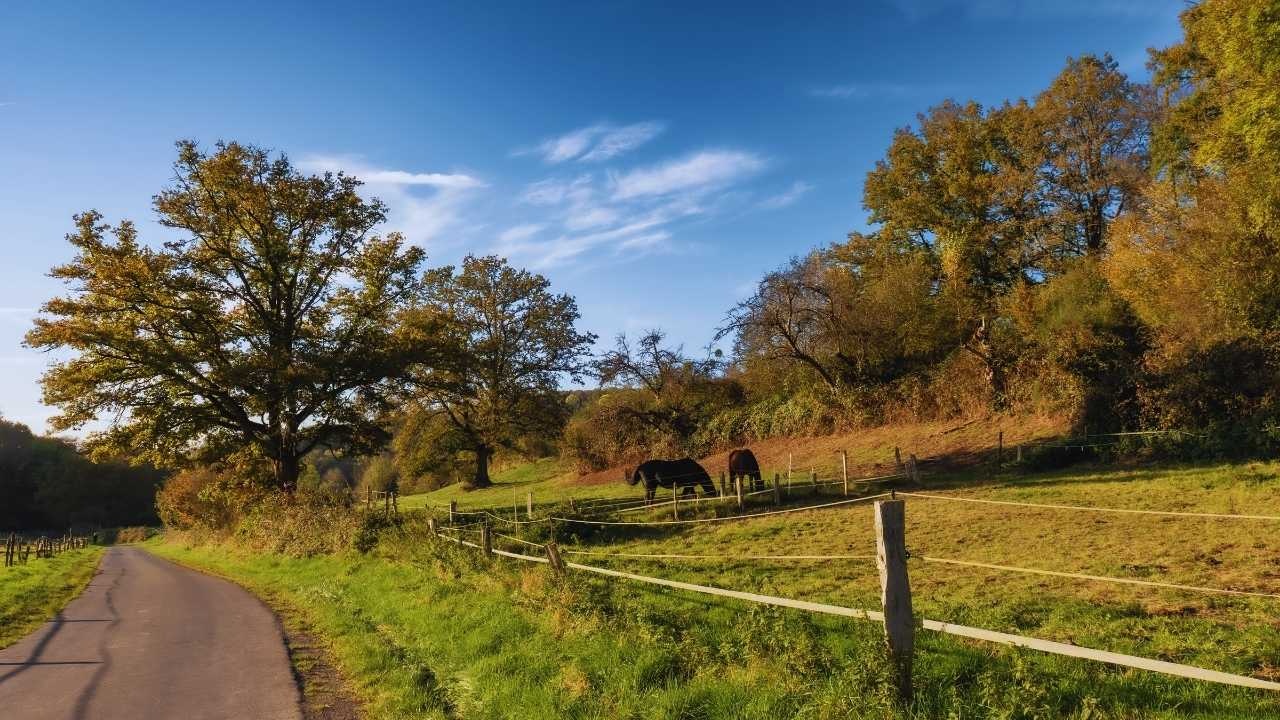
A Global Travel Shift Fueled by Changing Preferences
This week, there’s been an impressive surge in bookings for rural getaways across various regions. Travelers are prioritizing forest cabins, riverside lodges, cozy mountain cabins, and eco-friendly retreats, steering away from bustling city hotels. This trend is not fleeting; it highlights a significant change in what people are seeking from their travel experiences today.
From young professionals seeking relief from city life to families yearning for tranquility after a hectic year, the appeal of the countryside as a sanctuary for relaxation and a genuine connection with nature is growing stronger. Rural locations, previously thought to be seasonal getaways, are now emerging as year-round destinations.
This global trend spans across diverse landscapes—European forest retreats, cabins in American national parks, hillside accommodations in Asia, and eco-lodges in Africa are all witnessing a resurgence in appreciation for unhurried travel.
Factors Behind This Week’s Rise
Various factors converged, leading to a notable increase in rural destination bookings:
-
early winter fatigue
-
increased urban pollution
-
growing remote work flexibility
-
soaring hotel prices in large cities
-
trending social media posts glorifying cabin life
-
early holiday planning this year
-
unpredictable weather impacting urban experiences
These factors fast-tracked an evolving preference for serene, clean-air destinations where travelers can unwind and disconnect.
The Urgent Need for Mental Clarity
The surge in rural tourism is closely tied to emotional fatigue. City living can be overwhelming—stressful, crowded, and demanding—leading travelers to yearn for:
-
solitude
-
unstructured downtime
-
scenic landscapes
-
digital detox chances
-
stress-free environments
Rural retreats provide sensory relief: fresh air, tranquil sounds, soft lighting, lazy mornings, and zero traffic. For those recovering from burnout, these features outweigh luxury offerings.
This week, wellness advocates and mental health professionals have emphasized the advantages of spending time in nature, gaining further traction for this trend.
Remote Work Paves the Way for Rural Stays
As flexible work becomes commonplace, travelers can easily opt for rural regions without consuming vacation time.
Remote workers are gravitating toward rustic cabins since these spots provide:
-
dedicated areas for focused work
-
peaceful surroundings
-
opportunities for nature breaks and morning hikes
-
enchanting workspaces that spark creativity
-
lower living costs compared to urban areas
Many travelers are now booking longer stays, effectively merging work functions with leisure in nature—creating a new “workcation” experience.
Decline of Urban Hotels This Season
Recent increased traffic congestion, urban constraints, inflation, and unforeseen events have prompted many to rethink city accommodations. Key concerns include:
-
high rates during holiday periods
-
pollution and smog problems
-
growing noise levels during festive events
-
packed attractions and eateries
-
uncertain travel times and delays
Conversely, rural areas often offer a sense of consistency with their wide spaces, slower pace, manageable weather, and less crowded surroundings.
The Appeal of Cabins and Countryside Lodges
Rural accommodations hold a distinct charm that urban hotels lack. Travelers are gravitating towards them because they present:
Aesthetically Pleasing Environments
Charming cabins, wooden decks, fire pits, and beautiful natural vistas create a cozy, picturesque ambiance.
Authentic Engagement
Rural stays typically offer local dishes, nature hikes, wildlife watching, and cultural experiences.
Space and Privacy
Guests appreciate private balconies, secluded settings, and fewer crowds—perfect for relaxation and contemplation.
Connection to the Outdoors
Fresh forest air, expansive farmland, river sounds, and mountain breezes create soothing sensory experiences that enhance tranquility.
These attributes resonate with modern travelers’ desires: tranquil comfort in the absence of crowds.
Eco-Conscious Tourism Gains Ground
Sustainability is becoming an essential factor in travel choices. Many travelers want to lessen their carbon footprints while supporting local economies. Rural tourism aligns naturally with this perspective.
This week, many chose rural lodging because:
-
eco-lodges utilize renewable energy
-
cabins employ local materials and sustainable designs
-
countryside tourism benefits local farmers and small businesses
-
nature-centric trips support environmentally-conscious living
This shift indicates a long-term commitment to intentional travel.
The Role of Social Media in Promoting Countryside Escapes
Social platforms abound with cabin videos, mountain breakfasts, bonfire evenings, relaxing clips, and “quiet life” stories. Recently, countryside trends have gone viral.
These posts inspired a tidal wave of bookings as they highlight:
-
simple joys
-
cozy lifestyles
-
scenic vistas
-
unplugged experiences
People are eager to replicate these moments, contributing to the uptick in rural tourism.
Families Favor Rural Vacations for Quality Time
Families planning winter holidays are gravitating toward rural retreats for:
Rural lodges frequently offer activities such as campfires, outdoor excursions, trails for cycling, and pet-friendly options, making them perfect for extended family getaways.
Enhanced Rural Infrastructure Facilitates Ease of Stay
Today’s rural locations boast amenities that were once uncommon:
-
high-speed internet
-
upgraded transportation routes
-
digital payment systems
-
professional hospitality services
-
consistent heating and cooling
-
curated local experiences
These advancements have alleviated previous concerns and encouraged extended stays in rural settings.
Weather Considerations: Rural Comfort During Seasonal Changes
This week’s varied weather patterns have affected many regions, yet rural locations enable travelers to adapt with ease:
-
snow-covered cabins provide warmth and tranquility
-
forest retreats offer sheltered routes
-
valley lodges maintain calm amidst storms
-
rural locations avoid urban chaos during heavy precipitation
Weather enhances the allure rather than complicates the experience.
Searching for Budget-Friendly Travel Options
Cost-effectiveness has been a significant attraction this week. Many rural accommodations are considerably more affordable than city hotels.
Travelers save on expenses related to:
-
lodgings
-
food
-
vehicle parking
-
activities
-
transportation
Budget-conscious adventurers are seizing this season to enjoy exquisite nature experiences without urban prices.
A Drive for Digital Detox
Amid overwhelming notifications and constant screen exposure, individuals are seeking reprieve in digital-free settings. Rural locales offer:
-
minimal digital distractions
-
natural rhythms in place of strict schedules
-
space for journaling, reading, and self-reflection
-
intentional, slower living
Cabins and lodges are carving out spaces for much-needed mental recovery.
Rural Hosts Enhancing Travel with Unique Experiences
Rural hosts are transitioning from simply providing space to creating immersive experiences. This week, various listings featured:
-
guided hikes
-
local agricultural experiences
-
evening bonfires
-
pottery classes
-
foraging expeditions
-
breathtaking sunset spots
-
stargazing experiences
-
forest immersion sessions
Travelers favor these authentic, rooted activities over the standard amenities seen in urban hotels.
Pet-Friendly Stays Elevate Rural Options
With an increasing number of people wanting to travel with their pets, rural destinations have positioned themselves as ideal choices. Large outdoor areas, pet-accepting cabins, and private yards cater to pet owners looking for stress-free trips.
This week, bookings for pet-friendly rural escapes rose, especially in places where urban restrictions apply.
Rural Areas Redefining Luxury
The contemporary interpretation of luxury among travelers has evolved. It no longer centers around grand chandeliers and lavish lobbies. Today, luxury translates to:
Rural accommodations provide these features effortlessly.
Maximizing Your Rural Experience
To fully embrace this burgeoning trend, travelers should plan thoughtfully.
1. Make early bookings—rural selections fill quickly
Cabins and lodges have limited availability.
2. Understand local weather conditions
Countryside weather can shift abruptly.
3. Select accommodations equipped with essentials
Heating, water, and connectivity are crucial.
4. Support local enterprises
Buy from local merchants, artisans, and farmers.
5. Prepare for practical needs
Comfortable footwear, weather-appropriate gear, and personal items are essential.
6. Embrace the concept of slow travel
Make countryside stays about relaxation rather than hurried plans.
Implications of This Trend for the Travel Sector
The growth of rural tourism indicates a larger evolution within global travel:
-
urban hotels must adapt their services
-
rural operators are finding long-lasting significance
-
sustainable travel is becoming standard
-
experiential stays are increasingly favored over generic options
-
remote work is altering travel patterns
Rural tourism is more than a passing trend; it's establishing itself as an essential aspect of modern travel culture.
In Closing
The recent boom in rural tourism signifies a substantial shift in traveler priorities. People are weary of noise, confusion, and frantic lifestyles—they crave space, clean air, tranquility, and meaningful adventures. Cabins, countryside lodges, and rural retreats fulfill the desires of today’s travelers: emotional relief, affordability, solitude, scenic beauty, and the chance to unwind.
As this trend grows, rural hotspots are set to become the new epicenters of global travel—offering more than just vacations, but opportunities for self-reconnection.
Disclaimer:
This article highlights general trends regarding rural travel. Individual experiences may differ based on location, weather, lodging, and local travel conditions. Travelers should check local regulations and be prepared accordingly.