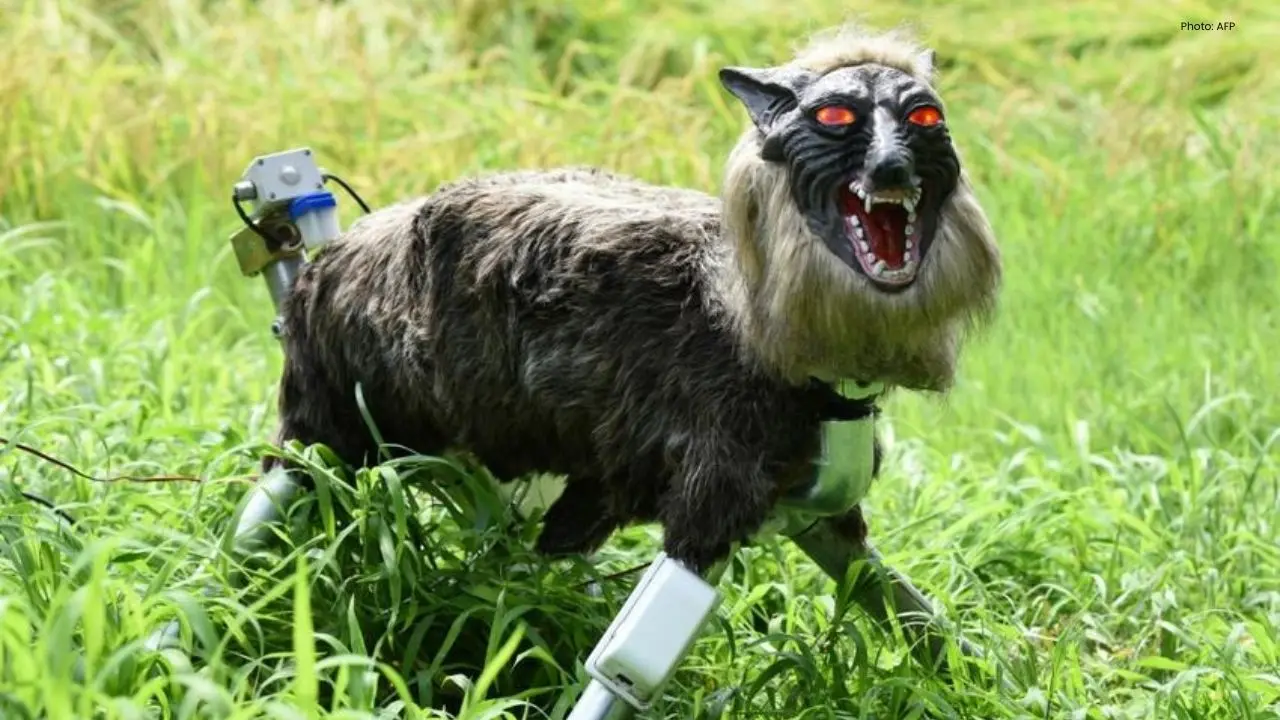
In Japan, a Hokkaido-based firm is witnessing a significant uptick in interest for its robotic wolves, engineered to fend off wild bears. This surge comes in the wake of alarming statistics surrounding bear attacks that have made headlines across the nation.
The robotic wolves, aptly named “Monster Wolf,” utilize technology that includes glaring red LED eyes, a variety of sound effects, and realistic fur. Capable of rotating its head and emulating over 50 distinct sounds—including human speech and wolf howls—the device can be heard from distances approaching one kilometer.
Yuji Ohta, the company president, noted a notable uptick in orders for these devices, pointing out that approximately 50 new orders have come in this year alone, matching their typical annual sales. However, due to the artisanal nature of the manufacturing process, customers will need to wait two to three months for their delivery.
The heightened need for these robotic wolves coincides with a stark increase in bear-related incidents. In the 2025–2026 timeframe, there were 13 fatalities from bear attacks, a staggering jump from previous years, alongside over 50,000 reported bear sightings as the creatures venture further into populated areas.
The culling of bears has also hit high records, with over 14,600 bears removed in the last year alone—almost triple previous counts. Regions like Hokkaido are experiencing an alarming rise in bear incursions, particularly as the animals emerge post-hibernation.
Key demographic groups purchasing these devices include farmers, construction workers, and operators of golf courses in rural settings. Farmers in particular view the Monster Wolf as a protective measure to mitigate crop damage and enhance safety in regions plagued by increasing wildlife activity.
Initially rolled out in 2016 to combat damage from deer, boars, and bears, the Monster Wolf gained skepticism due to its unconventional approach but has since proven effective in mitigating wildlife disturbances.
In response to evolving needs, the company is developing further enhancements for the robotic wolves, including potential mobile versions for patrol duties and AI systems for improved animal detection and reaction. Plans are also underway for more compact models aimed at hikers and schoolchildren navigating forested terrains.
The dramatic rise in orders for these robotic wolves exemplifies the integration of innovative technology in tackling both public safety issues and environmental challenges in Japan's rural landscapes.