Photo:AFP
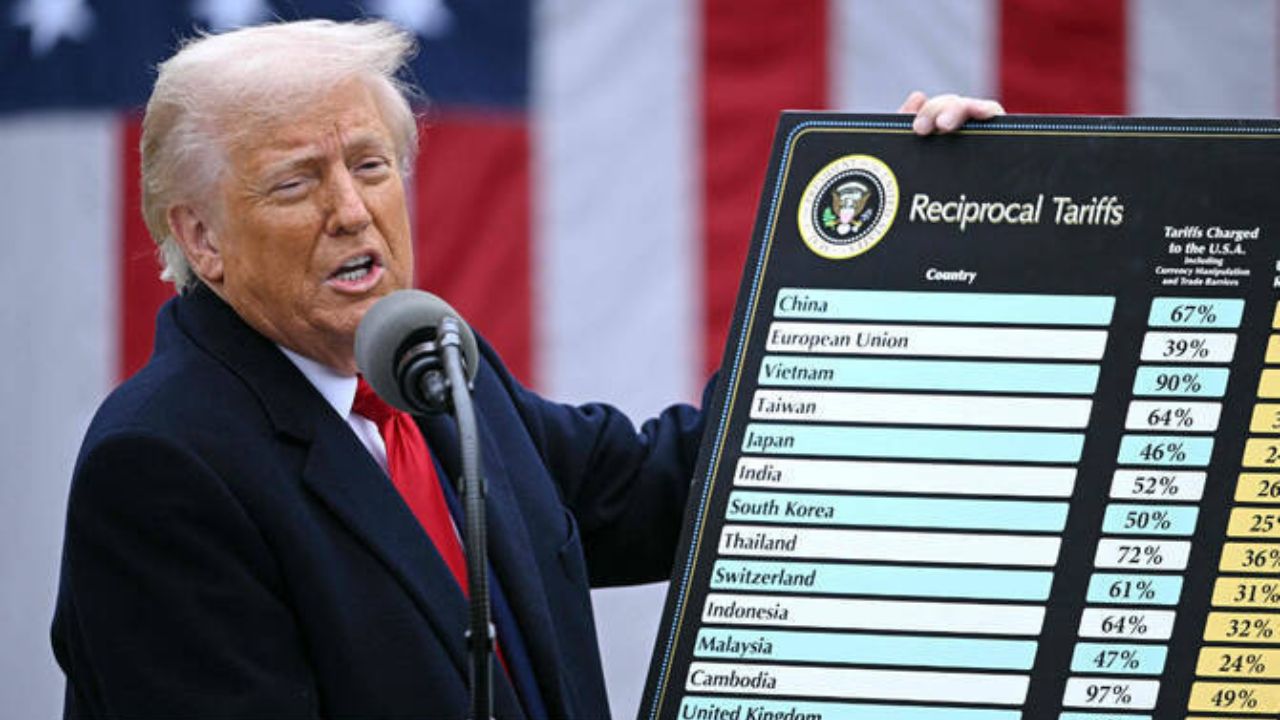
The United States Supreme Court is preparing to hear one of the most consequential trade cases of recent years. At the center of this legal battle is the question of whether former President Donald Trump acted within his constitutional powers when he imposed sweeping tariffs on a range of imports, including steel, aluminum, and Chinese goods. The Court’s ruling will not only decide the fate of these policies but will also shape the boundaries of presidential authority in economic matters for decades to come.
Background of the Tariffs
During Trump’s presidency, the United States saw a sharp turn in trade policy. Unlike his predecessors, who often pursued free-trade agreements and worked with allies to push reforms, Trump leaned on unilateral tariffs to challenge trading partners. Starting in 2018, his administration used Section 232 of the Trade Expansion Act, which allows presidents to impose tariffs if imports are deemed a threat to national security.
These tariffs targeted some of America’s closest allies, including Canada and the European Union, along with adversaries like China. While the administration claimed the measures were necessary to protect U.S. industries and jobs, critics argued they were politically motivated and lacked strong evidence of security threats. The tariffs triggered significant backlash, leading to trade retaliations, strained alliances, and rising consumer costs in the U.S. market.
Why the Case Matters
At its core, this case is not only about trade; it is about the separation of powers in American democracy. The Constitution gives Congress the power to regulate trade, yet over time, successive presidents have been given more authority to act quickly during crises. Trump’s use of this authority pushed the boundaries further than many legal scholars and lawmakers had ever anticipated. Opponents argue that allowing such broad powers without congressional approval undermines democratic control.
If the Supreme Court sides with Trump, future presidents could inherit an expansive ability to impose tariffs or other economic restrictions almost at will. This could make U.S. trade policy highly unpredictable, shifting dramatically from one administration to the next. On the other hand, if the Court rules against Trump, it could limit executive power and restore more responsibility to Congress, potentially slowing down decision-making but ensuring greater oversight.
Impacts on the Economy and Trade
The economic effects of Trump’s tariffs are still debated. While some American industries, particularly steel and aluminum producers, praised the policies, many others warned of damage. Higher costs for raw materials hurt manufacturing and consumer goods companies, leading to layoffs and reduced competitiveness. Farmers were especially hard-hit when China retaliated with tariffs on American agricultural products, forcing the federal government to provide billions in subsidies to rural communities.
Supporters of the tariffs claim they forced China to engage in trade talks and highlighted the need to reduce reliance on foreign production. Yet critics counter that the tariffs did little to change China’s core trade practices and instead fueled inflation at home. An eventual Supreme Court ruling will not change the economic fallout of those years, but it will determine whether similar policies can be enacted so freely in the future.
The Global Dimension
America’s trading partners are paying close attention to this case. International trade depends heavily on trust and stability, and when U.S. policies swing drastically, it unsettles markets across the globe. Canada and the European Union, both strong allies of the U.S., protested loudly against the tariffs, arguing that labeling their exports as "national security threats" weakened alliances.
If the Court sides with broader presidential power, foreign governments may worry about future U.S. administrations acting unpredictably, regardless of global trade norms or diplomatic relations. Such uncertainty could push American allies to strengthen their ties with other powers, such as the European Union with China, leaving the U.S. isolated in some areas of global trade.
Political Stakes
The political undertones of this case cannot be ignored. Trump continues to play a dominant role in American politics, and a ruling in his favor would be seen as a victory for his approach to executive authority. It might also embolden similar strategies if he or another leader with a protectionist outlook returns to the White House.
Democrats and some Republicans, however, warn that granting such unchecked powers to a president sets a dangerous precedent. The judicial decision will inevitably be interpreted through a political lens, further fueling debate over the balance of power between the president, Congress, and the courts.