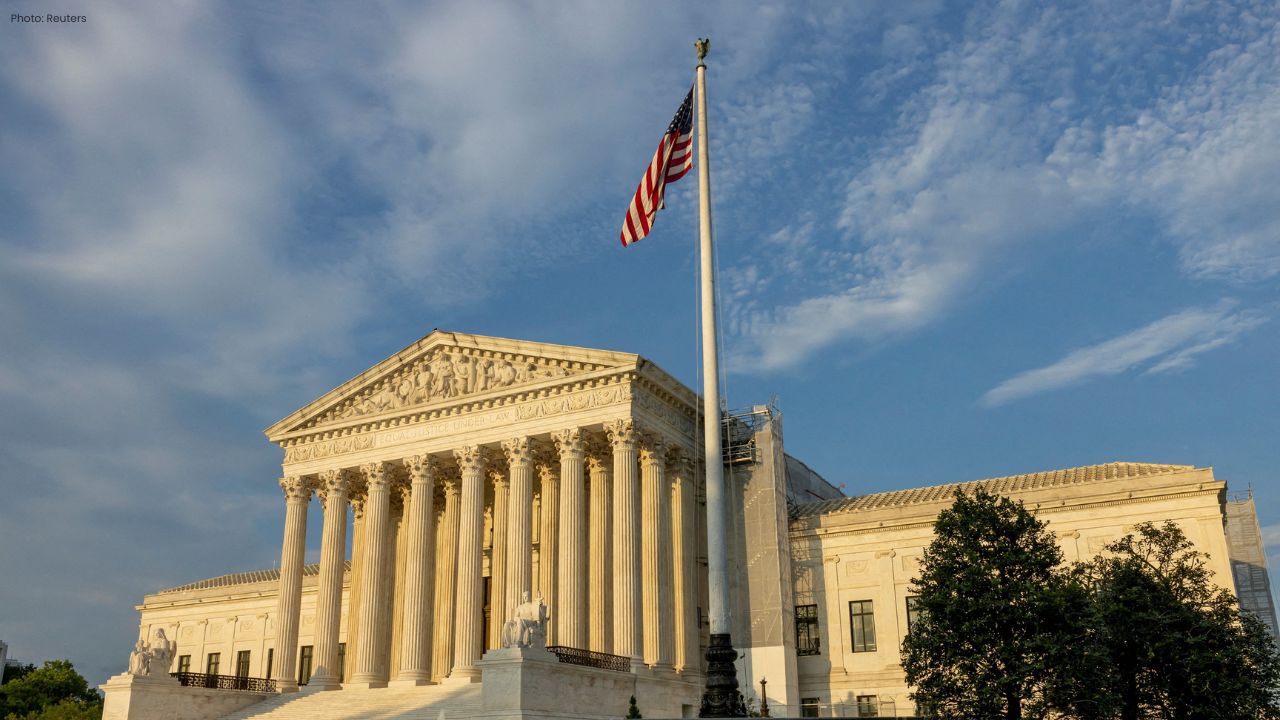
The US Supreme Court is starting its new term on Monday, and the agenda is already full of important cases that could decide how much power President Donald Trump has. Many of these cases could have long-lasting effects on the country and even the world.
Since Trump returned to the White House eight months ago, he has pushed the limits of presidential power. He has introduced new policies on his own, reduced federal budgets and workers, and tried to control agencies that are usually independent.
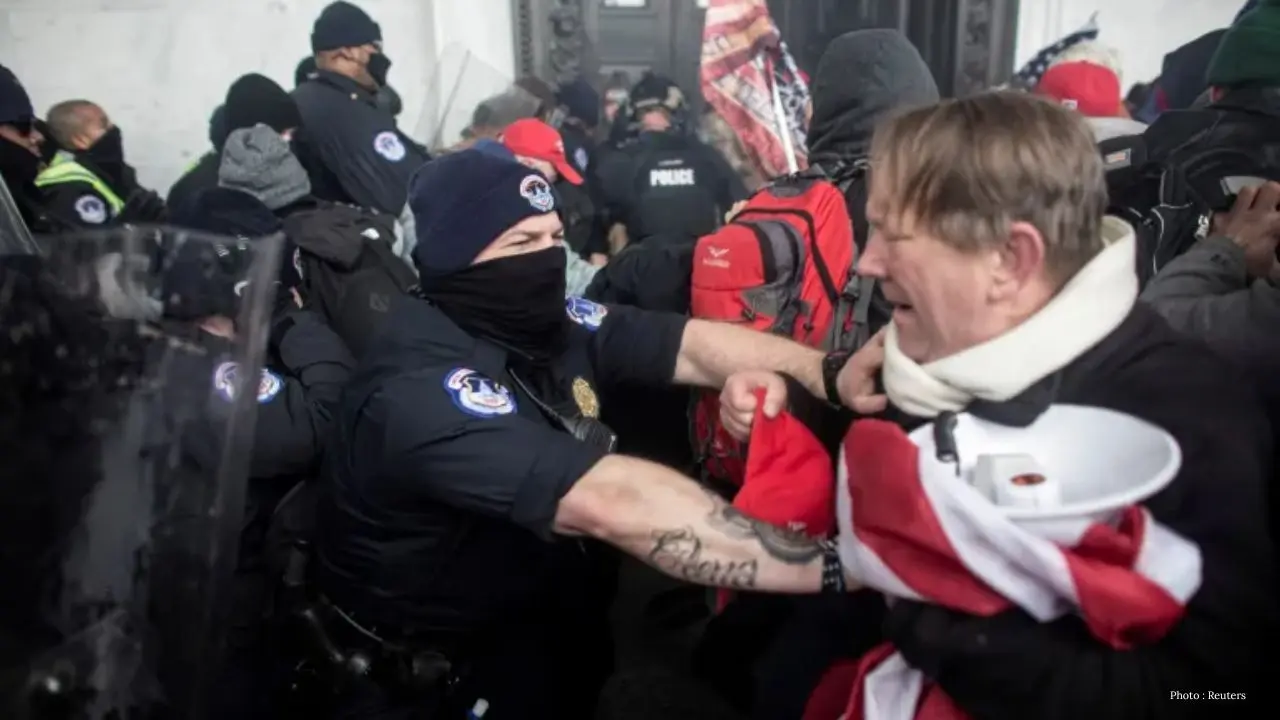
One of the latest legal battles involves Trump’s effort to control state National Guard units and send them into cities where he says there is public unrest and crime. Local and state leaders oppose this. In Oregon, a federal judge blocked Trump from sending troops to Portland. An appeals court is expected to review the case soon.
“This is a nation of constitutional law, not martial law,” wrote Judge Karin Immergut, who Trump appointed during his first term. She added that accepting Trump’s arguments could blur the lines between civil and military power in the United States.
After the appeals court gives its ruling, the Supreme Court could step in through its so-called “shadow docket.” This allows the court to make quick decisions that could either limit Trump’s ability to use the military at home or temporarily give him more freedom.
The shadow docket has become more common recently. The Supreme Court, responding to emergency requests from Trump’s administration, has often allowed his actions to continue while lower courts hear the legal challenges.
“A tug of war between the Supreme Court and the lower courts will be a key part of this term,” said Samuel Bray, a law professor at the University of Chicago.
The shadow docket has faced criticism from legal scholars and politicians who say it lacks transparency. Its short orders usually give very little reasoning, leaving lower courts uncertain about how to apply the law.
“All Americans should be concerned about the Supreme Court’s growing use of the shadow docket,” said Democratic Senator Cory Booker. He said it hides the court’s decisions from the public and reduces accountability.
Despite this, the court plans to address major questions about presidential power in the months ahead. Unlike shadow docket cases, these will include full hearings and detailed decisions.
“If the court wants to give the president more power, it will have to explain why,” said Maya Sen, a Harvard professor who studies the Supreme Court.
Some of the cases scheduled include whether federal laws prevent the president from removing members of independent agencies. Another case involves Trump trying to fire Lisa Cook, a governor on the Federal Reserve Board. This case could expand the president’s influence over US economic policy.
The economy is also on the line. The Supreme Court may decide whether Trump’s tariffs on foreign goods are legally valid or should be overturned. Other cases could examine his attempts to cut federal spending, fire government employees, and enforce strict immigration policies.
Trump has also discussed ending automatic citizenship for babies born in the US, and the court could review this issue in the future.
“The scope of presidential power will be a major focus this term,” said Jennifer Nou, a law professor at the University of Chicago. She explained that the cases will test Trump’s top priorities, including economic policies and birthright citizenship.
The court may also use the “major questions doctrine,” which it applied against President Biden’s student loan forgiveness and environmental rules. This doctrine says that Congress must explicitly allow major policy changes by the president.
Besides presidential power, the Supreme Court will review other politically and culturally significant issues. These include whether Colorado’s ban on conversion therapy violates free speech rights, and two cases on state bans for transgender athletes in school sports.
Other cases involve voting laws. A Republican lawmaker in Illinois is challenging a rule that allows mail-in ballots to be counted up to two weeks after an election. In Louisiana, conservatives want a voting rights law changed to affect congressional district rules for Black voters. The Republican Party is also challenging a law that prevents political campaigns from coordinating spending.
In recent years, this conservative-led Supreme Court has issued landmark rulings that have changed American law in major ways. These decisions have affected abortion rights, federal regulations, and college admissions policies based on race.
These rulings have increased public debate about the Supreme Court, which is now highly divided along political lines. A recent Pew poll found that Republicans generally support the court, while Democrats are critical.
By the end of this term, expected next June, the six conservative and three liberal justices may once again reshape American law on major issues. The court’s decisions could influence the country for decades to come.