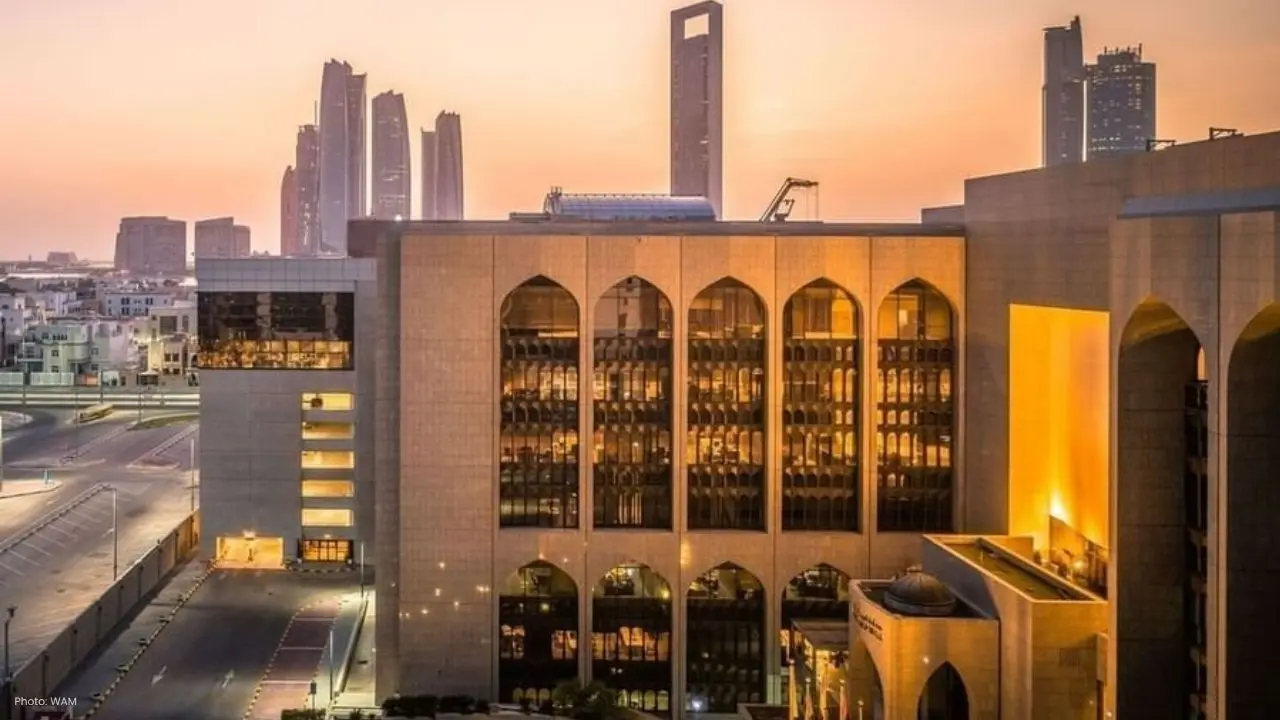
The UAE's economy exhibited substantial growth in the initial months of 2026, buoyed by a dynamic banking sector alongside increasing foreign trade and investment activities.
As reported by the Central Bank of the UAE, total banking assets rose by 1.1 percent in February 2026, totaling over AED 5.472 trillion, up from AED 5.414 trillion in January. Additionally, total credit increased by 1.2 percent to AED 2.63 trillion, driven largely by significant domestic lending boosts.
In terms of deposits, a robust increase of 1.9 percent was recorded, bringing the total to AED 3.4 trillion. Notably, resident deposits saw a rise of 1.7 percent to AED 3.098 trillion, indicating a growing public trust in the banking infrastructure.
The financial sector remains remarkably stable, with a capital adequacy ratio at 17 percent and a liquidity coverage ratio soaring past 146.6 percent—well above global regulatory standards.
UAE banks are further reinforcing their presence on the global stage, with key players like First Abu Dhabi Bank, Emirates NBD, and others recognized among the top banks worldwide in Forbes' 2026 rankings.
Global credit rating agencies have reiterated the UAE's economic robustness. Moody’s reaffirmed its Aa2 rating with a stable outlook, while S&P Global Ratings maintained the country's AA/A-1+ rating for both local and foreign currencies.
S&P noted the UAE's strong fiscal foundation, predicting that consolidated government net assets will approach 184 percent of GDP in 2026, with liquid assets expected to be around 210 percent of GDP.
In trade, the UAE is enhancing its global influence through its Comprehensive Economic Partnership Agreements (CEPA). In the first quarter of 2026, new agreements were inked with nations including the Philippines and Nigeria.
The nation also achieved a significant milestone, entering the top ten merchandise exporters worldwide for the first time, ranking ninth according to the World Trade Organisation.
Total foreign trade reached AED 6 trillion in 2025, reflecting a 15 percent growth year-on-year. Trade in services surpassed AED 1.14 trillion, while non-oil merchandise trade surged by 27 percent to AED 3.8 trillion.
Investment activities continue to thrive, with Mubadala Investment Company reporting assets at AED 1.4 trillion and delivering impressive returns exceeding 10 percent over both five- and ten-year periods.
Meanwhile, ADNOC solidified its global brand stature, making it to the world’s top 100 most valuable brands, with an 11 percent growth in brand value to US$21.13 billion since 2017.
Dubai is also enhancing its financial standing globally, now sitting at seventh in the Global Financial Centres Index, exemplifying its status as a prime international financial hub.
Business dynamics across the UAE remain vigorous, with over 1.45 million registered companies by the end of February 2026. The Dubai Chamber of Commerce reported the addition of 2,709 new companies in March alone.
Other emirates are also experiencing growth; Sharjah reported a 1 percent uptick in business licences in the first quarter, and Ajman issued 1,617 new licences while renewing 8,777, showcasing ongoing economic resilience.
At the sovereign debt level, the UAE’s dirham-denominated Treasury bonds auction held in March 2026 attracted a strong demand from investors, with AED 1.1 billion in bonds issued and total bids amounting to AED 4.85 billion, approximately 4.4 times the offering size.
Overall, the UAE's economic performance in early 2026 underscores its resilience, solid financial fundamentals, and growing influence in the global economy.