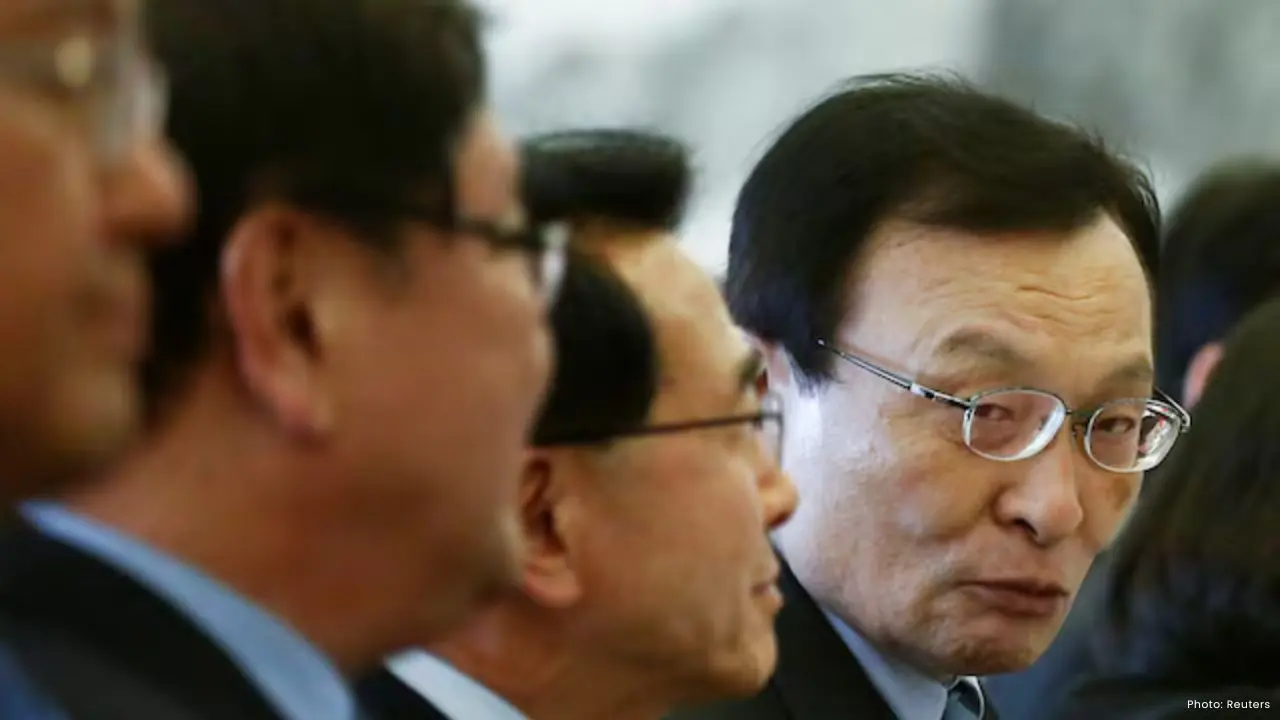
South Korea is in mourning following the death of Lee Hae-chan, a notable former Prime Minister who significantly influenced the nation’s path toward democracy. Lee, who was 73, died during an official visit to Ho Chi Minh City, Vietnam. His unexpected passing has elicited heartfelt tributes from leaders in South Korea and internationally, underscoring his enduring impact on the country's political framework.
Official reports indicate that Lee suffered a heart attack on Sunday and required immediate medical attention. Despite the efforts of Vietnamese healthcare teams, alongside coordination with South Korean authorities, his condition proved too severe. The government of Vietnam extended their condolences to both South Korea and Lee’s family, stating that every possible medical assistance was rendered.
President Lee Jae Myung honored the late prime minister as a “remarkable mentor” in the narrative of South Korea’s democratic evolution. He noted that Lee devoted his life to championing and fortifying democratic ideals, especially during tumultuous periods. The president’s remarks echoed the regard Lee garnered from different generations for his unwavering commitment to freedom, reform, and public service.
Lee Hae-chan’s political path paralleled South Korea’s battle for democracy. Beginning as a student activist in the turbulent 1970s—a period characterized by repressive governance—he faced imprisonment for championing democracy, an experience that fueled his steadfast convictions. Rather than retreating from the political arena, Lee persistently fought for change through peaceful and democratic avenues.
Throughout his career, Lee emerged as one of South Korea's most seasoned parliamentarians, holding office for seven terms. Serving as prime minister from 2004 to 2006, he worked on government reforms focused on enhancing transparency and operational efficiency. Known for his incisive commentary and strong stance, he was respected as an adept strategist despite frequent clashes with adversaries.
Lee was instrumental in supporting four liberal presidents, including the present leader, in their electoral victories. He continued to be influential in national matters up until his passing, serving as the civilian leader of the Peaceful Unification Advisory Council, which provides policy recommendations to the government regarding North Korea. His illness struck while he was in Vietnam attending a council meeting.
Even his political opponents acknowledged his significance. The conservative opposition People Power Party remarked that Lee’s death signifies the end of a crucial chapter in South Korea’s political narrative. Many commentators suggest that his life story symbolizes the nation’s transformation from authoritarianism to a robust democracy.
As South Korea commemorates Lee Hae-chan, his legacy serves as a testament to the fact that democracy demands courage, sacrifice, and a long-term vision. From his beginnings as a jailed student activist to his role as prime minister and national adviser, Lee remained steadfast in his dedication to democratic principles. His influence will resonate in South Korean politics for generations to come.