On September 26, 2025, South Korea began a new trial for its former President Yoon Suk Yeol, who was removed from office earlier this year. This trial is about obstruction and abuse of power related to Yoon’s failed attempt to impose martial law in December 2024.
The case has attracted intense attention in South Korea and around the world, as it raises questions about presidential power, accountability, and democracy.
Yoon was impeached in April 2025 after a dramatic political crisis. His attempt to declare martial law had been widely criticized as an overreach of presidential authority. Martial law would have allowed the military to take control of certain areas, suspend normal legal processes, and restrict freedoms temporarily. Many citizens, politicians, and legal experts argued that this move was illegal and dangerous for democracy.
Yoon’s Appearance in Court
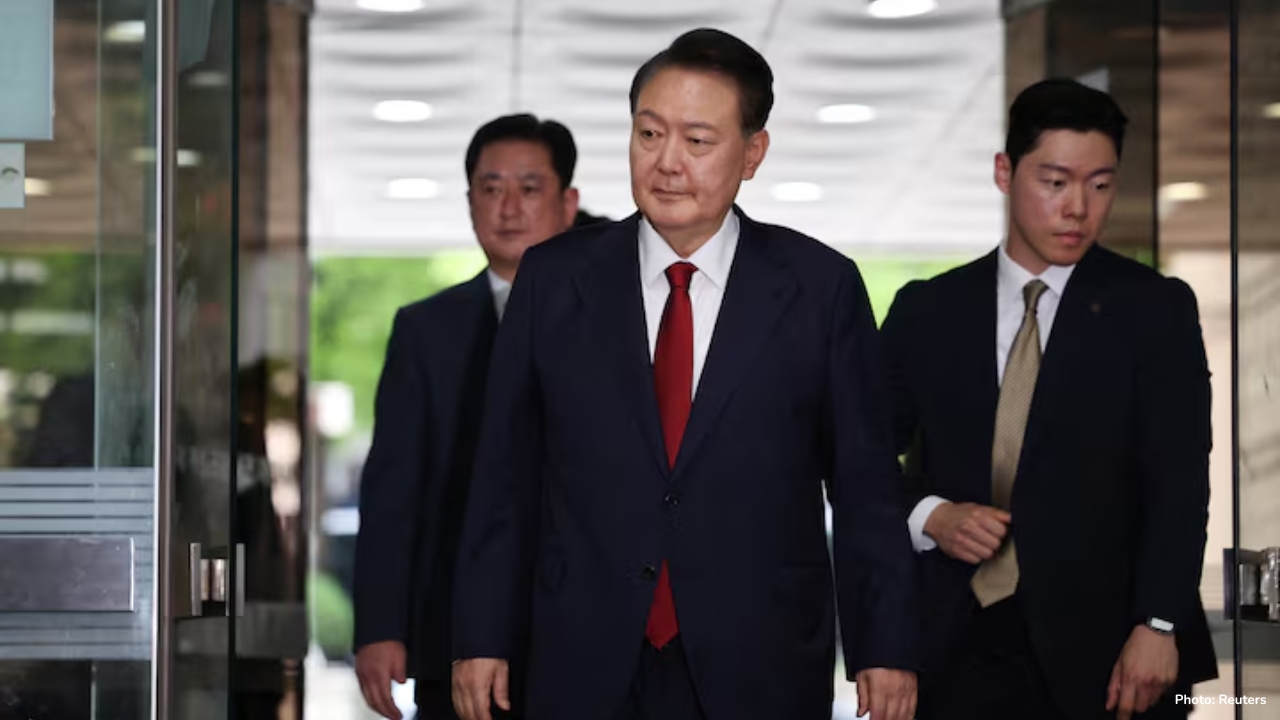
At the start of the trial, Yoon appeared in the courtroom looking older and thinner than before. He spent over two months in solitary confinement, which is believed to have taken a toll on his health. Yoon described his time in prison as very difficult, particularly because he was held in a small, isolated cell. Despite this, he remained calm during the court session.
Yoon’s lawyers emphasized that he was innocent of the new charges, including obstruction of justice and abuse of power. They argued that the legal case was politically motivated, designed to further punish him after his removal from office. The trial, however, is being conducted under South Korea’s independent judiciary, and the court must carefully review the evidence from both sides.
Background: The Failed Martial Law Attempt
The martial law attempt happened in December 2024. Yoon believed that some civil unrest and opposition actions threatened the stability of the country. He announced plans to use military authority to control specific areas and manage the situation. However, this decision was met with widespread protest and criticism, both from the public and lawmakers.
The South Korean parliament quickly responded by suspending Yoon’s presidential powers and moving toward impeachment. In April 2025, the parliament voted to remove him from office. The impeachment itself was historic, as it marked one of the few times a South Korean president was removed for overstepping legal authority.
The New Charges: Obstruction and Abuse of Power
The current trial focuses on events in January 2025, after parliament had suspended Yoon’s powers. At that time, investigators attempted to arrest Yoon to begin legal proceedings related to his martial law attempt. According to prosecutors, Yoon barricaded himself inside the presidential compound to avoid arrest. This act is now the basis for the charges of obstruction and abuse of power.
The prosecution also claims that Yoon may have misused his authority to influence military and government officials to support his actions. Several former officials and military leaders have been named in the investigation. A special prosecutor, appointed in June 2025, expanded the investigation to include not only Yoon but also others connected to the martial law attempt.
The Defense Argument
- Yoon’s defense team has presented several arguments in his favor.
- Legal Authority – They argue that Yoon’s actions were within his presidential powers at the time, and that the arrest warrant was obtained without proper legal authority.
- Political Motivation – Lawyers insist that prosecutors are using the case to make a political statement rather than pursue true justice.
- Health Concerns – Yoon’s lawyers have requested bail so he can receive medical attention and participate fully in his defense. They emphasize that solitary confinement and court stress could endanger his health.
- The defense also claims that Yoon’s intention was to protect national security and maintain stability, rather than to break the law or obstruct justice.
Potential Consequences
The trial carries serious penalties. If convicted, Yoon could face prison time, adding to any previous sentences he may receive related to the martial law case. Conviction would also bar him from holding public office in the future and may affect his political party and supporters.
The trial is not only about Yoon himself but also sets an example for how future leaders in South Korea are held accountable for abuse of power. Legal scholars say that the court’s decisions could influence how presidential authority is interpreted in the country for years to come.
Public Reaction
Public opinion in South Korea is deeply divided.
Supporters of Yoon argue that he was acting in the country’s best interest. They say that martial law was considered because of a perceived threat, and that the impeachment and trials are politically motivated.
Critics of Yoon argue that his actions were an abuse of presidential authority and endangered democracy. They emphasize that even national security concerns must follow legal procedures, and Yoon ignored these safeguards.
Protests and public demonstrations have been seen in different cities, with both supporters and opponents expressing their views. Media coverage is intense, and every court session is widely reported.
International Attention
The trial is also being closely watched by the international community. Countries and organizations interested in democracy and rule of law are observing how South Korea handles the trial of a former president. Experts suggest that the case will have implications for executive power and accountability in other nations as well.
International media has highlighted the uniqueness of the situation. While leaders are often investigated after leaving office, the combination of martial law, impeachment, and immediate legal charges makes Yoon’s case rare and historically significant.
Historical Context
South Korea has a history of political turmoil and strong civilian oversight of government power. In the past, military leaders sometimes took control, but modern South Korea emphasizes democracy, legal accountability, and the separation of powers.
Yoon’s attempt to impose martial law challenged this system. Even though he believed he was acting for national security, the parliament and courts saw it as a violation of democratic norms. This situation underscores how checks and balances are crucial in maintaining a healthy democracy.
Life in Prison and Courtroom Conditions
Since his removal, Yoon has been detained. Reports indicate that solitary confinement has affected his physical and mental health. His defense team has requested medical evaluations and better conditions, arguing that fair treatment is essential for a fair trial.
During court sessions, Yoon has spoken calmly but firmly, denying all charges and insisting that he acted within his legal rights. His presence in the courtroom reminds the public of the gravity of political responsibility and the personal consequences of leadership mistakes.
Next Steps in the Trial
The trial is expected to continue for several weeks or months, as both prosecution and defense present evidence, witness testimony, and legal arguments. The court must decide whether Yoon’s actions constitute criminal behavior or fall within presidential authority.
Observers note that the trial may set a precedent in South Korea for how far a president can go in times of perceived national emergency. It may also influence public expectations about accountability and ethical behavior from future leaders.
Social and Political Impact
The trial has already had a significant political impact. South Korea is now debating the balance between executive power and parliamentary oversight. Some political parties are calling for reforms to clearly define when martial law can be declared and how to prevent abuse of power.
For ordinary citizens, the trial is a reminder that even the highest officials must follow the law. Public discussions about Yoon’s case have dominated social media, television, and newspapers. Many people see it as a test of democracy itself.
Human Stories
Behind the political debate, there are human stories. Families of politicians, staff, and citizens affected by Yoon’s martial law attempt are still coping with the aftermath. Business owners, local governments, and community leaders had to respond quickly when martial law was threatened, creating widespread anxiety.
Some Yoon supporters have expressed sympathy for him personally, highlighting the stress and isolation of leadership. Meanwhile, opponents remain concerned that unchecked power could lead to future abuses.
The trial of former President Yoon Suk Yeol is more than a legal proceeding. It is a test of South Korea’s democracy, the rule of law, and the accountability of leaders. While Yoon insists he acted for national security, the court must determine whether his actions were lawful or criminal.
As the trial unfolds, it will continue to divide opinion, shape future political debates, and teach lessons about the limits of presidential power. Regardless of the outcome, the trial will be remembered as a pivotal moment in South Korea’s modern history, highlighting the importance of legal checks, democratic norms, and accountability at the highest levels of government.