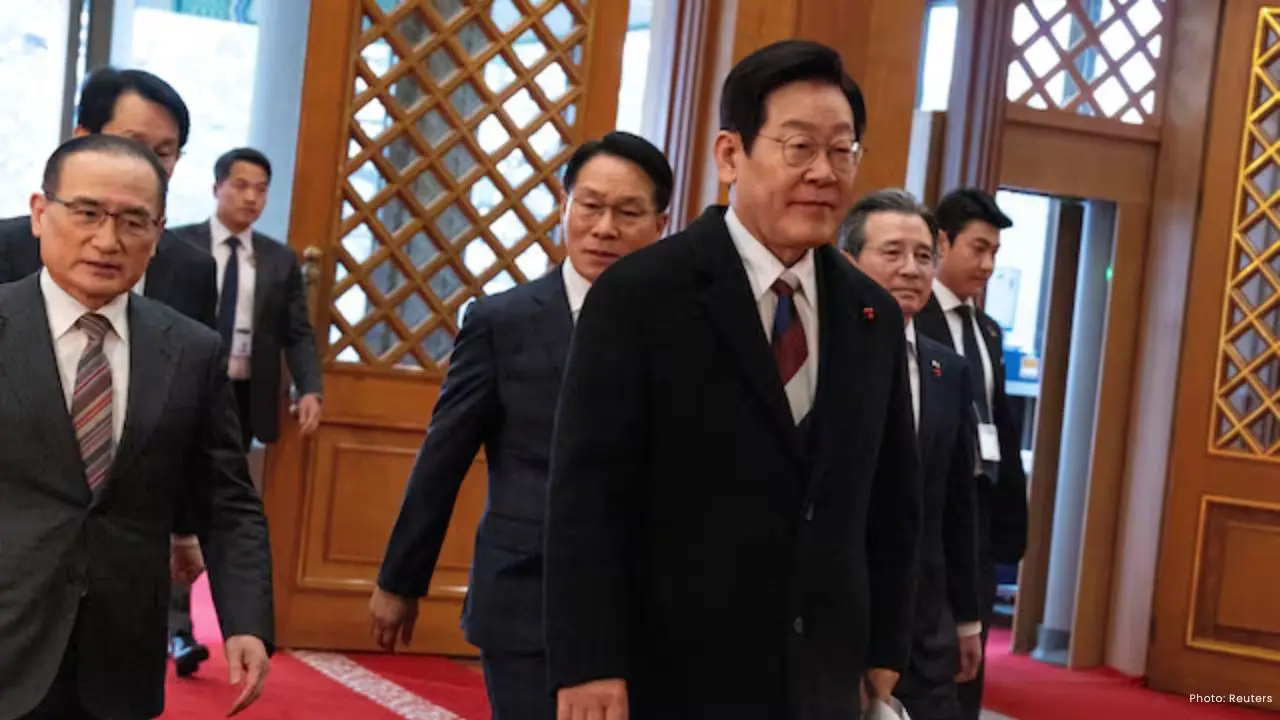
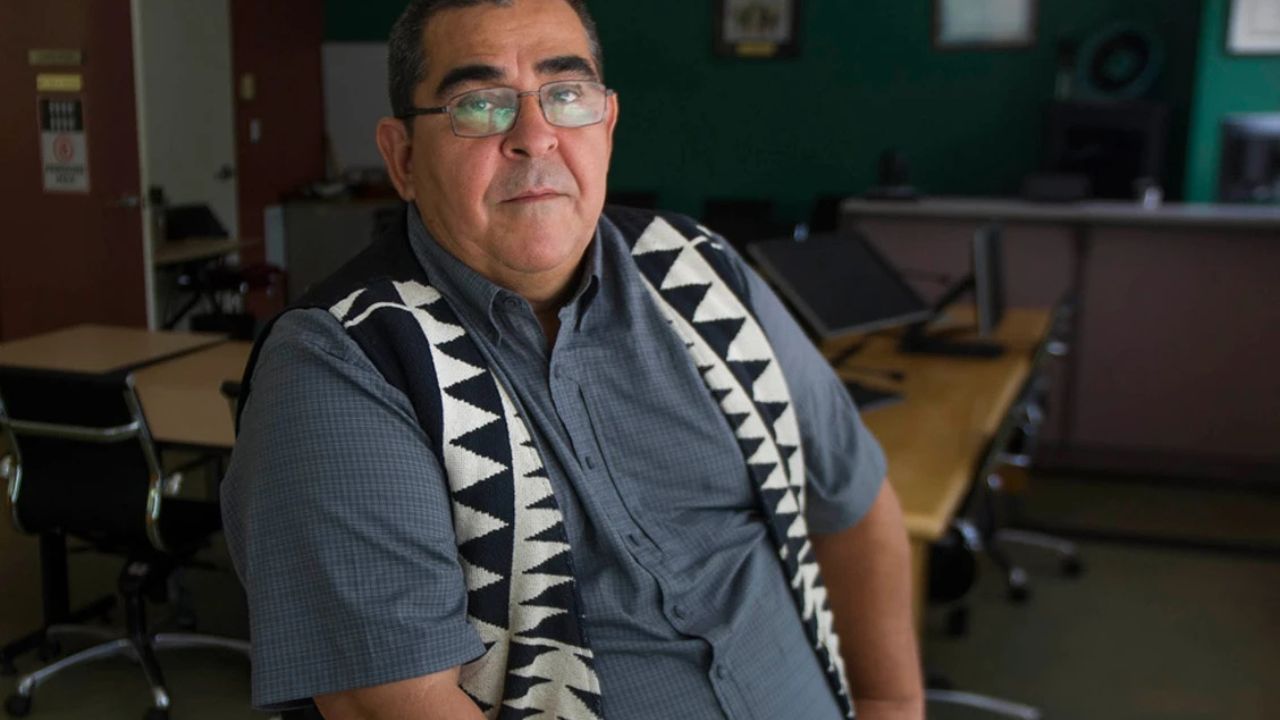
President Lee Jae Myung of South Korea has responded to concerns regarding potential United States tariffs on imported semiconductors, reiterating that these measures could inadvertently hurt American consumers by raising costs. During a press event in Seoul, he indicated that such high duties on foreign chips would likely inflate prices throughout the U.S. economy instead of undermining Asian chip manufacturers.
This statement follows comments from U.S. Commerce Secretary Howard Lutnick, who hinted that semiconductor producers in South Korea and Taiwan might face import tariffs as steep as 100% if they do not increase their manufacturing presence within the U.S. This news has sparked unease within the global tech sector, given the dominance of South Korea and Taiwan in the semiconductor landscape.
Lee highlighted that these two countries account for approximately 80% to 90% of the worldwide chip supply. He stated that significant tariffs would almost certainly be passed on to consumers, meaning American buyers would face increased costs for electronic products reliant on these components.
He further mentioned that South Korea already benefits from trade protections established in its agreements with the United States, aimed at ensuring a level playing field for Korean chipmakers against international rivals. While monitoring the situation closely, Lee expressed that he does not foresee any immediate threat to the sector.
South Korea's semiconductor industry is crucial for its economy, with the country achieving a record export total of $709.4 billion in 2025, marking a nearly 4% rise from the previous year. Semiconductor exports rose significantly by 22%, driven largely by a surge in global demand for artificial intelligence technology. The U.S. accounted for about 8% of South Korea’s total semiconductor exports, while China remained the largest market, followed by Taiwan and Vietnam.
On the topic of the weakening South Korean won, Lee expressed hopes for a recovery towards 1,400 won per U.S. dollar in the future. Nonetheless, he acknowledged that domestic policies alone could not entirely stabilize currency markets, citing the yen's influence on the won’s performance, which has remained relatively strong compared to other currencies within the region.
Apart from economic matters, Lee discussed initiatives to reignite conversations between the United States and North Korea. He stated that his administration is utilizing diplomatic channels to foster dialogue while adopting a pragmatic stance regarding Pyongyang's nuclear ambitions. Full denuclearization may be an unrealistic expectation, he noted, but halting further production and the exportation of nuclear materials would represent a significant step forward.
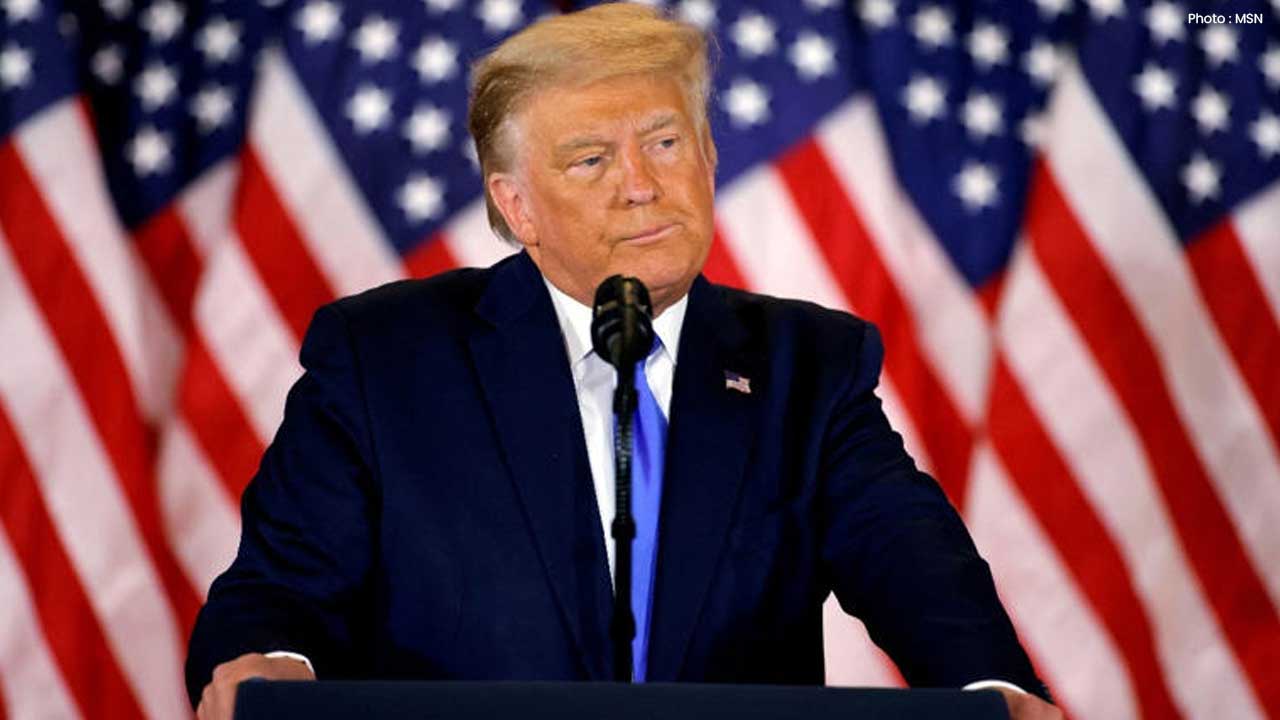
Until now, North Korea has rebuffed attempts from both Lee and U.S. President Donald Trump to initiate talks. Negotiations have remained stagnant following the 2019 encounter between Trump and Kim Jong Un, which concluded without agreements on sanctions or nuclear disarmament.
The remarks made by President Lee reflect South Korea's delicate balancing act. While safeguarding its vital semiconductor industry, Seoul simultaneously seeks to nurture stable ties with Washington and address ongoing security challenges on the Korean Peninsula. With increasing global competition in chip production, the issue of tariffs is expected to remain a contentious topic for both nations.