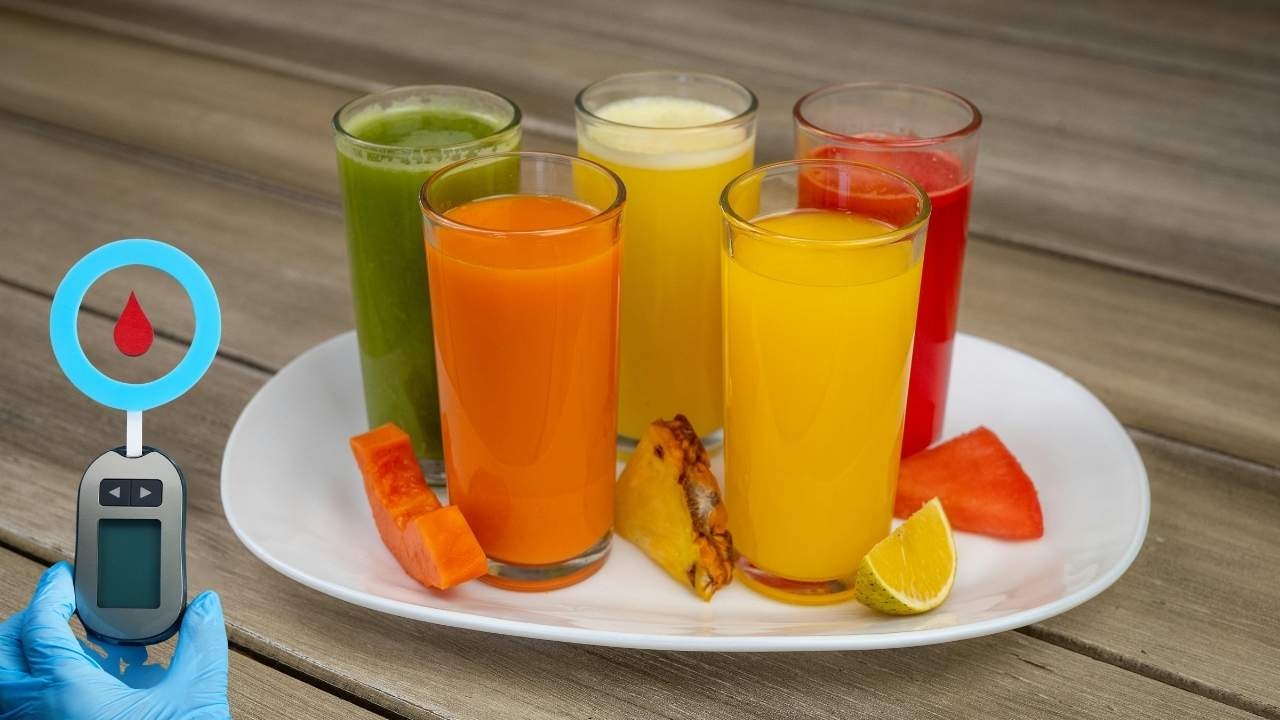
Navigating Juice Selections for Diabetics: An Essential Guide
For individuals managing diabetes, selecting appropriate juices can be challenging. While juices come from fruits and vegetables, which generally seem healthy, they can spike blood sugar levels quicker than eating whole fruits. Therefore, diabetics often ask: Are juices safe? If so, which varieties are advisable?
This straightforward guide clarifies which juices can safely fit into a diabetic meal plan and highlights those best avoided.
Understanding Juice Complexity for Diabetics
Juices are packed with vitamins but also contain natural sugars. The juicing process removes fiber, which is essential for slowing sugar absorption. This means that the liquid sugar can flood into the bloodstream rapidly.
This spike can result in:
However, this doesn’t imply that all juices are off-limits. Diabetics can still enjoy juice—provided they make informed choices regarding portions and sugar content.
Recommended Juice Choices for Diabetics
The following juice options are safer due to their lower sugar content and high nutritional value.
1. Vegetable Juices
Vegetable juices are among the best choices for diabetics as they contain minimal sugar. Suggested options include:
-
Spinach
-
Cucumber
-
Tomato
-
Celery
These juices hydrate, provide essential nutrients, and maintain stable blood sugar levels. Enhancing flavors with lemon or ginger can add zest without extra sugars.
2. Bitter Gourd (Karela) Juice
This naturally bitter juice is potent in aiding blood sugar management. A small morning dose can enhance insulin effectiveness.
3. Amla (Indian Gooseberry) Juice
Amla is high in Vitamin C and supports pancreatic function, helping to regulate sugar levels effectively. A small diluted serving is generally sufficient.
4. Mixed Green Juice
A refreshing juice can be crafted using:
-
Spinach
-
Lettuce
-
Cucumber
-
Mint
This blend hydrates and supports steady sugar control.
5. Watermelon Juice (In Moderation)
Although sweet, watermelon juice is primarily water. A small, diluted portion can be enjoyed occasionally, emphasizing the importance of moderation.
Juices to Limit or Avoid for Diabetics
Some juices, though seemingly healthy, can lead to quick blood sugar spikes. Limit or avoid the following:
1. Orange Juice
Due to high natural sugar, it’s advisable to consume very small amounts and opt for freshly squeezed versions only.
2. Apple Juice
With its lack of fiber, apple juice can cause rapid blood sugar increases. Eating an actual apple is preferable.
3. Grape Juice
This juice is quite sweet and can lead to swift sugar spikes—best to avoid.
4. Packaged Juices
Bottled or boxed juices may contain:
-
Additional sugars
-
Preservatives
-
Artificial additives
Such products are typically detrimental for diabetics.
Ways to Make Juicing Safer for Diabetics
Completely avoiding juices isn't necessary. Implement these simple strategies to enhance safety:
-
Dilute juice with water to reduce sugar density
-
Limit servings to half a cup
-
Add chia seeds for added fiber
-
Consume juice alongside meals
-
Make fresh juice at home instead of purchasing
-
Take your time drinking juice
These habits can help manage the pace at which sugar enters the bloodstream.
Whole Fruits vs. Juices: Which Is Superior for Diabetics?
In most cases, whole fruits are the preferred choice due to their fiber content, which moderates sugar release.
For instance:
The fiber in whole fruits effectively mitigates sugar spikes.
When Juice Can Be Beneficial
Even with restrictions, juice can serve a purpose during low blood sugar (hypoglycemia) situations.
A small amount of fresh juice can swiftly elevate sugar levels in emergencies, but this approach shouldn't become a routine practice.
Juice can coexist within a diabetic regimen if approached conservatively. Vegetable juices are the safest, while sugary fruit options should be minimized. Thoughtful choices and portion control allow diabetics to enjoy juice safely.
Disclaimer
This article offers general information and should not replace professional medical counsel. Diabetic needs vary greatly, and individual juice tolerances might differ. Consult a physician or dietitian prior to any dietary changes. The recommendations here are intended for general awareness and should be followed with appropriate medical guidance when required.