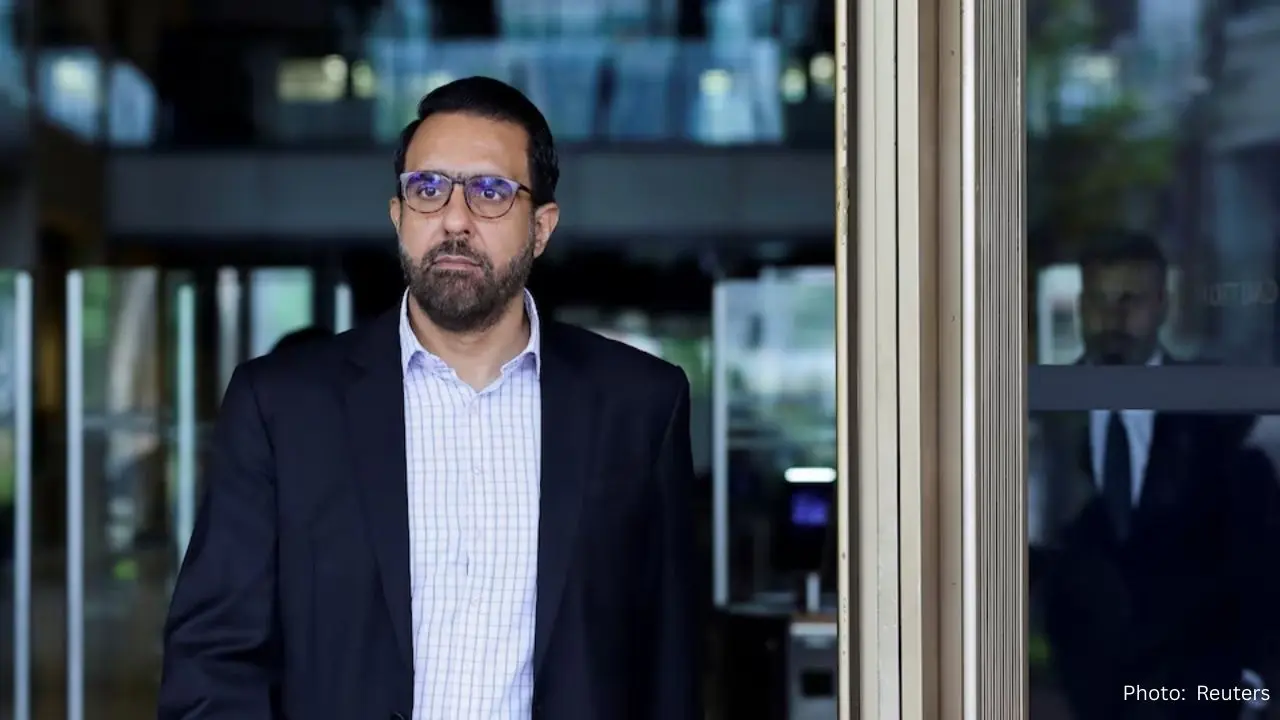
The parliament of Singapore is gearing up to deliberate on the fate of Pritam Singh, who may need to step down as Leader of the Opposition following his conviction for misleading lawmakers. This situation marks a critical juncture in Singaporean politics, particularly since Singh is the first officially recognized opposition leader since the nation gained independence in 1965.
A motion addressing this issue has been presented by Indranee Rajah, a prominent member of the ruling People’s Action Party and the Leader of the House. She contends that Singh’s actions violate the integrity expected from someone in such a prominent public role. It is imperative for parliament to determine whether his conduct disqualifies him from retaining his position.
Pritam Singh, leader of the Workers’ Party, represents the primary opposition in the country. He rose to the role of Opposition Leader post the 2020 general elections, which saw his party gaining additional parliamentary seats, representing a vital move toward political pluralism in Singapore, where one political faction has traditionally dominated.
This legal matter traces back to a 2021 parliamentary inquiry examining misleading statements from a former member of the Workers’ Party, Raeesah Khan. Singh was convicted of providing erroneous information regarding the party's response to the incident. In early 2025, he was fined by the court but faced no bans on parliamentary participation or future elections.
Singh contested the verdict; however, the Supreme Court dismissed his appeal in December. Following this verdict, the government announced the need for parliamentary action regarding the situation. Leaders within the ruling party have emphasized the importance of transparency in the legislature and warned that dishonesty undermines public confidence.
The People’s Action Party has demonstrated resilience in the 2025 general elections, further solidifying its longstanding rule. Meanwhile, the Workers’ Party retained the remaining parliamentary seats, marking its sustained opposition presence. Consequently, the Leader of the Opposition role holds considerable symbolic significance, even though it lacks formal executive authority.
The upcoming debate will exclusively address Singh’s continuation in his opposition leader role, not his status as an elected representative. Nevertheless, the outcome may carry significant political ramifications, with the government hinting at a review of actions taken by other senior members of the Workers' Party associated with this case.
This incident raises ongoing discussions about political ethics, accountability, and fairness in Singapore's governance. As legislators deliberate on this issue, the eventual decision is anticipated to shape public perception of both the opposition and the expected ethical standards for all political entities in the country.