Living to 100 is no longer just a dream—it’s a realistic goal supported by science. While genetics play a role, research shows that lifestyle choices, diet, social connections, and preventive healthcare are far more influential in determining how long and how well people live. This article explores science-backed longevity secrets and provides a practical blueprint for living a longer, healthier life.
The Science of Longevity – What Research Tells Us
Genetics vs Lifestyle – Which Has the Bigger Impact?
Studies reveal that genetics account for only 20–30% of lifespan, while lifestyle factors such as diet, exercise, and stress management make up the rest. This means most people have significant control over their longevity through daily habits.
Lessons from Blue Zones (World’s Longest-Living Communities)
Blue Zones—regions like Okinawa (Japan), Sardinia (Italy), and Nicoya (Costa Rica)—are home to some of the world’s longest-living populations. Common traits include:
- Plant-heavy diets
- Strong community ties
- Daily natural movement and physical activity
- Low stress levels and a sense of purpose
Common Longevity Myths Debunked by Science
- Myth: Supplements alone can extend life.
Fact: No pill replaces a balanced lifestyle.
- Myth: Extreme exercise guarantees longevity.
Fact: Moderate, consistent movement is more effective.
- Myth: Genetics determine everything.
Fact: Lifestyle choices play the dominant role.
Nutrition for a Longer Life
Diet Patterns Linked to Longevity
| Diet |
Key Features |
| Mediterranean |
Olive oil, fish, vegetables, whole grains |
| Okinawan |
Sweet potatoes, soy, vegetables, minimal meat |
| Plant-Based |
High in fiber, linked to lower chronic disease risk |
Superfoods That Support Cellular Health
- Leafy greens (spinach, kale)
- Berries (rich in antioxidants)
- Nuts and seeds (healthy fats)
- Green tea (rich in polyphenols)
- Legumes (fiber and plant protein)
The Role of Intermittent Fasting and Caloric Restriction
Research suggests that caloric restriction and intermittent fasting can slow aging by improving metabolic health, reducing inflammation, and enhancing cellular repair processes.
Read More:Science-Backed Ways to Live 100 Years: Secrets to Longevity Revealed
Daily Habits That Add Years to Your Life
Exercise and Movement – How Much Is Enough?
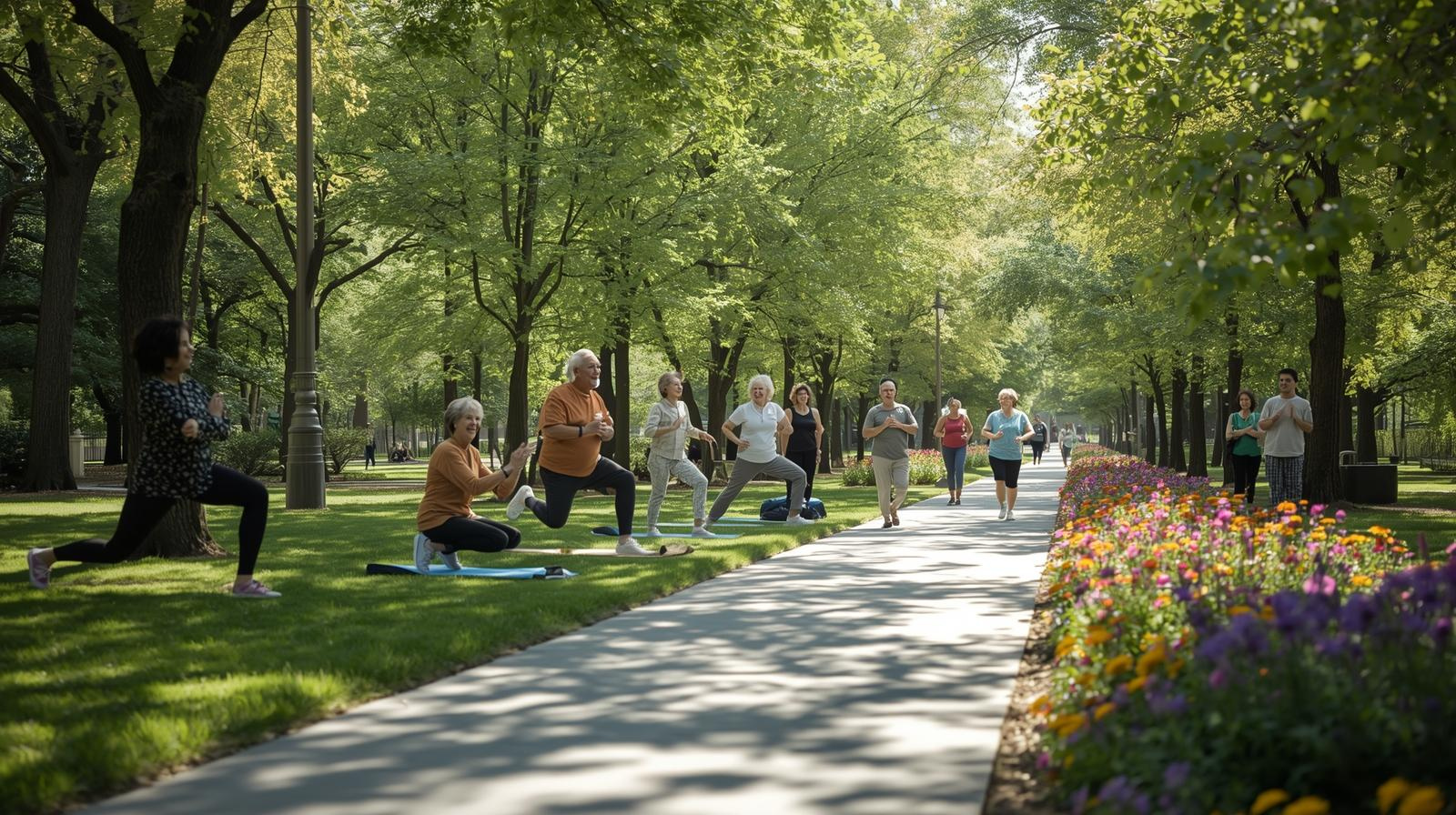
Experts recommend at least 150 minutes of moderate activity per week. Walking, gardening, and cycling—common in Blue Zones—are consistently linked to longevity.
Sleep Quality and Its Connection to Longevity
Poor sleep is associated with chronic disease and shorter lifespan. Adults should aim for 7–9 hours of quality sleep nightly.
Stress Reduction and Mindfulness Practices
Chronic stress accelerates aging. Practices such as meditation, yoga, and deep breathing lower cortisol levels and support overall well-being.
Social and Psychological Factors in Longevity
The Power of Strong Social Connections
Loneliness is as harmful as smoking 15 cigarettes a day. Strong family ties, friendships, and active community participation are consistent predictors of long life.
Purpose, Optimism, and Mental Resilience
Having a sense of purpose—known as ikigai in Japan—has been linked to lower mortality rates. Optimism and resilience also protect against stress-related illnesses.
How Community and Belonging Influence Health
Communities that encourage shared meals, group activities, and intergenerational living foster healthier, longer lives.
Medical and Technological Advances in Longevity
Breakthroughs in Anti-Aging Research
Scientists are studying senolytics (drugs targeting aging cells), gene therapies, and regenerative medicine to slow or even reverse aspects of aging.
Supplements and Emerging Therapies
- Resveratrol: Found in red wine; linked to improved cellular health
- NAD+ boosters: Support energy metabolism and DNA repair
- Omega-3 fatty acids: Reduce inflammation and support heart health
Preventive Healthcare and Regular Screenings
Routine check-ups, vaccinations, and screenings for chronic conditions (like heart disease and cancer) significantly increase life expectancy.
Practical Longevity Blueprint – How to Apply These Secrets
Daily Routine Checklist for Longevity
- Eat a plant-rich diet
- Move naturally throughout the day
- Sleep 7–9 hours nightly
- Practice mindfulness or stress-reduction techniques
- Connect with loved ones
- Schedule regular preventive health check-ups
Small Lifestyle Changes That Make a Big Difference
- Swap processed foods for whole foods
- Replace sugary drinks with water or green tea
- Take short walking breaks during the day
- Limit alcohol and avoid smoking
Building a Sustainable Longevity Plan
Longevity isn’t about drastic overhauls—it’s about consistent, sustainable habits. Start small, stay consistent, and focus on balance rather than perfection.
Content Gaps (Opportunities to Outrank Competitors)
- Clear myth-busting section for authority
- Structured, science-backed daily routine checklist
- Insights into upcoming medical breakthroughs
- Visual aids: Blue Zone infographics, diet comparison tables
- Interactive tools like a “Longevity Score Calculator”
Living to 100 is not just about adding years to life—it’s about adding life to years. By combining science-backed nutrition, daily habits, strong social connections, and preventive healthcare, anyone can significantly improve their chances of enjoying a longer, healthier, and more fulfilling life.