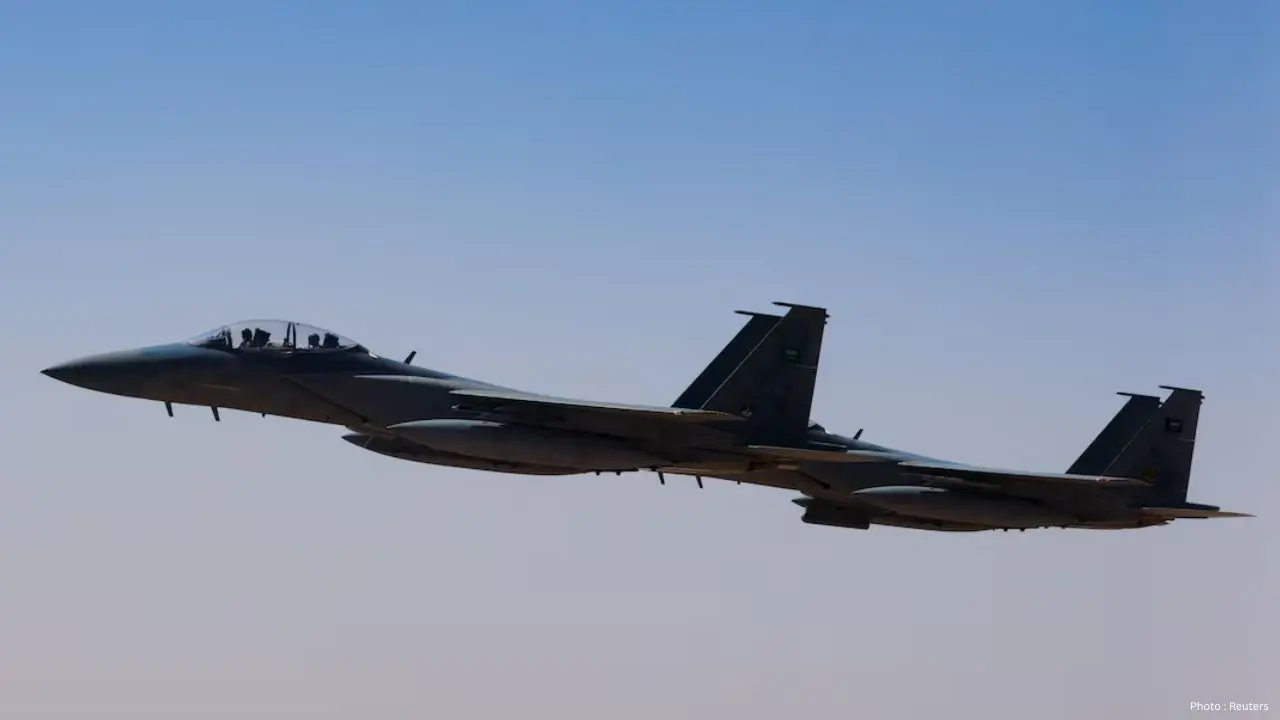
As the Middle East grapples with increasing tensions, reports suggest that Saudi Arabia has undertaken secret military operations within Iran, coinciding with the ongoing regional conflict. A Reuters article from May 12 details how Saudi Arabia reportedly conducted covert strikes in late March, responding to missile and drone assaults targeting its territory amid the broader Iran conflict.
If substantiated, these actions would mark the first known direct military intervention by Saudi Arabia inside Iran, an act significant due to the longstanding rivalry between these two influential Middle Eastern nations. Their competition for sway in the region spans decades, manifesting through political maneuvers, proxy warfare, and indirect confrontations. A direct military clash could have profound implications for the Gulf's power dynamics, potentially igniting a wider war.
According to the report, Saudi jets executed several undisclosed attacks following repeated missile and drone threats from Iran and allied forces. The specifics regarding the locations of these Saudi strikes remain unconfirmed, with Saudi officials not publicly acknowledging the operation, and Iran has yet to officially respond to these allegations.
These reported military actions emerged during a heightened conflict initiated by U.S. and Israeli airstrikes against Iran earlier this year, escalating strife throughout the Gulf. Iran has targeted critical infrastructure across various Gulf nations, including oil facilities and military bases.
Traditionally reliant on U.S. military support, Saudi Arabia appears to be reassessing its defense posture, moving towards more assertive military actions. Analysts suggest that sustained threats to its oil sector and national security may compel Riyadh to take decisive measures.
The Gulf region's significance to the global economy cannot be overstated, as it accounts for a substantial portion of the world's oil supply. Any hostilities between Saudi Arabia and Iran could swiftly impact fuel prices, shipping channels, and international commerce, particularly around the vital Strait of Hormuz, which Iran has recently asserted includes a broader military zone.
Financial markets are already displaying jitters amid escalating tensions, with oil prices surging in light of fears of disruptions to energy exports. Meanwhile, Gulf stock markets have dipped, with investors anxious over the potential collapse of peace negotiations between Iran and the U.S.
Interestingly, the reported Saudi strikes were noted to coincide with a temporary decrease in direct Iranian aggression towards Saudi Arabia, indicating that recent diplomatic engagements may have alleviated tensions, albeit briefly. This points to a mutual understanding of the dire consequences of escalating hostilities.
However, the danger remains palpable. The Middle East has witnessed significant instability from various conflicts in Yemen, Syria, Iraq, and Lebanon, and a direct military escalatory event between Saudi Arabia and Iran could embroil neighboring countries like the United Arab Emirates, Qatar, and Bahrain.
Widespread humanitarian repercussions are yet another major concern, as regional wars frequently lead to civilian casualties, displacements, and extensive infrastructure devastation. Critical assets such as oil installations, airports, and power facilities become focal points of destruction during such conflicts, primarily impacting local populations.
The clandestine nature of modern warfare is exemplified in these reported Saudi actions, where governments may opt for undisclosed operations to deter public scrutiny while transmitting military signals to adversaries. This secrecy often breeds uncertainty, as neither the public nor the global community comprehends the full extent of military activities unfolding behind closed doors.
At this juncture, diplomatic communication becomes more crucial than ever. Numerous global stakeholders, including powerful nations, will likely advocate for de-escalation to avert another catastrophic regional confrontation. The United Nations and other international entities may intensify appeals for negotiations and ceasefires.
Nevertheless, the underlying mistrust between Iran and Gulf Arab states lingers, as years of rivalry and conflict have cemented deep-rooted divisions. Achieving temporary peace may not substantially mitigate the risks of future hostilities without enduring political resolutions.
Current developments remind us that peace in the Middle East is tenuous. An isolated military incident—be it a strike, drone action, or operational blunder—could rapidly spiral the region into a broader confrontation. The global stakes remain high, with instability in the Gulf reverberating far beyond the Middle East, impacting energy markets, trade, and international security.