Photo:AP
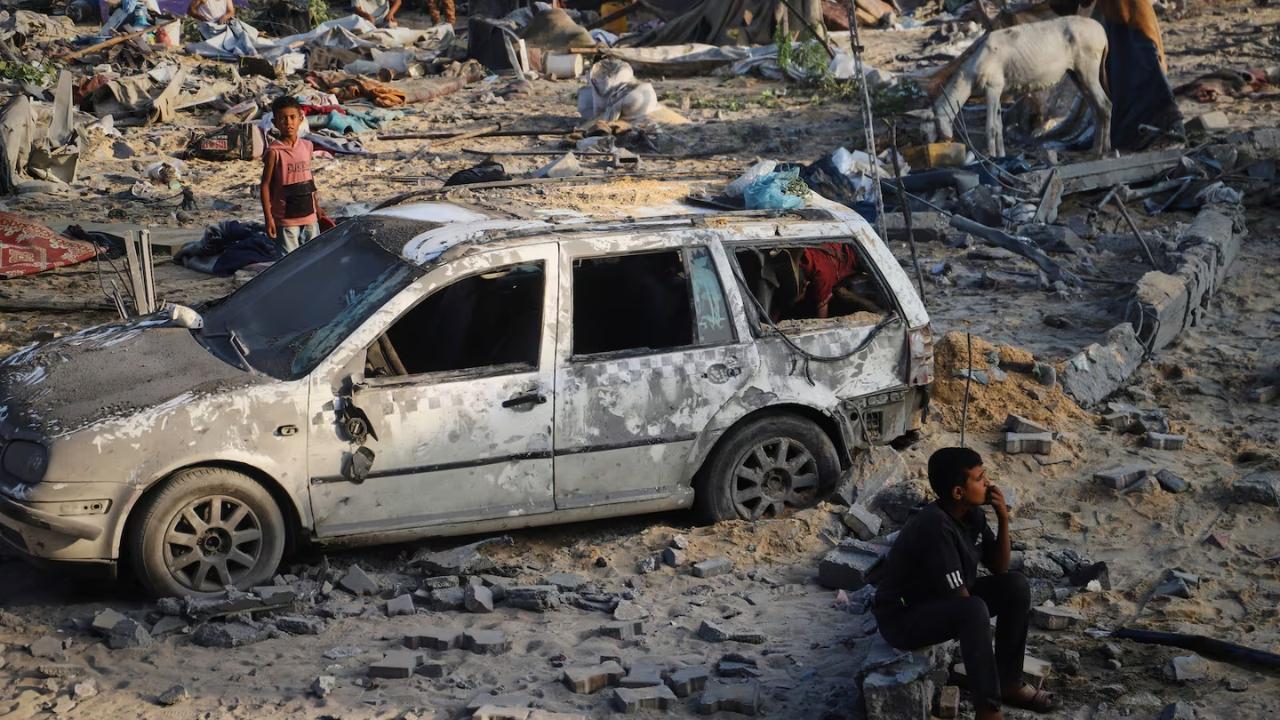
Russia’s latest air campaign across Ukraine resulted in at least 22 civilian deaths, including prison inmates and hospital patients, marking a flagrant continuation of violence despite former U.S. President Donald Trump’s ultimatum.
Massive Overnight Strike Hits Civilian Facilities
On the night of July 29, 2025, Russian forces targeted the Bilenkivska Correctional Colony in Zaporizhzhia, unleashing four glide bombs that killed 16 or 17 inmates and injured more than 80 others, including prison staff. Simultaneously, a missile strike hit a maternity hospital and other medical facilities in the Dnipro region, killing at least three to five people—including a 23‑year‑old pregnant woman—and injuring several more.
Zelenskyy Declares the Attacks Deliberate
Ukrainian President Volodymyr Zelenskyy condemned the bombings as "conscious, deliberate strikes — not accidental", and warned international allies of increasing civilian suffering despite global appeals to end the violence.
Trump’s New Deadline and Stiff Warnings
Earlier that day from Scotland, Donald Trump announced a reduced timeline—10 to 12 days—for President Vladimir Putin to begin de-escalating the war, or face new sanctions and tariffs, including on Russian oil exports. This was a tightening of his prior 50‑day ultimatum, heightening pressure on Moscow.
Kremlin Responds with Defiance
Kremlin officials, including spokesman Dmitry Peskov and Security Council deputy head Dmitry Medvedev, dismissed Trump’s deadline. Medvedev chastised what he called “playing the ultimatum game with Russia,” warning that each such demand is more likely to provoke war than peace.
Weaponry and Tactics Employed
The prison strike utilized Soviet-era glide bombs retrofitted with guidance fins, capable of carrying up to 3,000 kg (6,600 lb) each. Simultaneous attacks included Iskander-M ballistic missiles and Shahed-style drones—many intercepted by Ukrainian air defenses.
Eyewitness Accounts and Civilian Toll
Witnesses described scenes of chaos as wounded inmates were rushed to hospitals, many suffering burns or concussions. Among casualties was a young pregnant woman who had been in good health until the strike devastated the maternity ward. Overall, over 70 towns and villages were affected, including damage to housing and civilian infrastructure.
Ukraine’s Defensive Response
Ukraine responded with long-range drone strikes targeting Russian infrastructure, while air defenses intercepted dozens of incoming drones (including 32 Shahed drones near Bryansk). On the Chernihiv front, a Russian missile strike killed at least three soldiers, deepening the scope of retaliation.
Longer-Term Civilian Impact
Since the full-scale invasion began in February 2022, U.N. data estimates over 13,000 civilian deaths and 32,700 injuries—though these figures likely underreport the true toll. As Russian forces occupy around 20% of Ukrainian territory, attacks behind front lines continue to escalate, inflicting disproportionate harm on noncombatants.
Legal and Moral Considerations
International law views deliberate strikes on civilian infrastructure—especially prisons and hospitals—as potential war crimes. Zelenskyy and other officials have called for urgent international accountability, citing the strikes' precision and omission of warnings as evidence of intent.
Expert Analysis and Geopolitical Calculus
Analysts at the Institute for the Study of War note Moscow’s continued civilian targeting strengthens domestic nationalist propaganda and positions Russia in direct geopolitical confrontation with the West. It signals that diplomatic pressure may only embolden further aggression absent decisive sanctions.
Next Steps and International Pressure
-
Will Trump’s deadline lead to concrete U.S. sanctions or tariffs?
-
Can Ukraine sustain its air defense against Russia’s evolving tactics?
-
Will global bodies pursue criminal accountability or intensify military support?