This week saw a significant escalation in tensions between Russia and Western nations as Moscow issued a strong warning that foreign troops entering Ukraine would be classified as legitimate military targets. This warning follows Britain and France's announcement of plans to dispatch a multinational force to Ukraine contingent on a ceasefire.
According to Russia’s Foreign Ministry, statements from Western governments pose a dangerous risk, potentially increasing instability throughout Europe. The Ministry emphasized that any Western soldiers, military facilities, or defense materials situated in Ukraine would be viewed as direct foreign involvement, warranting a military response.
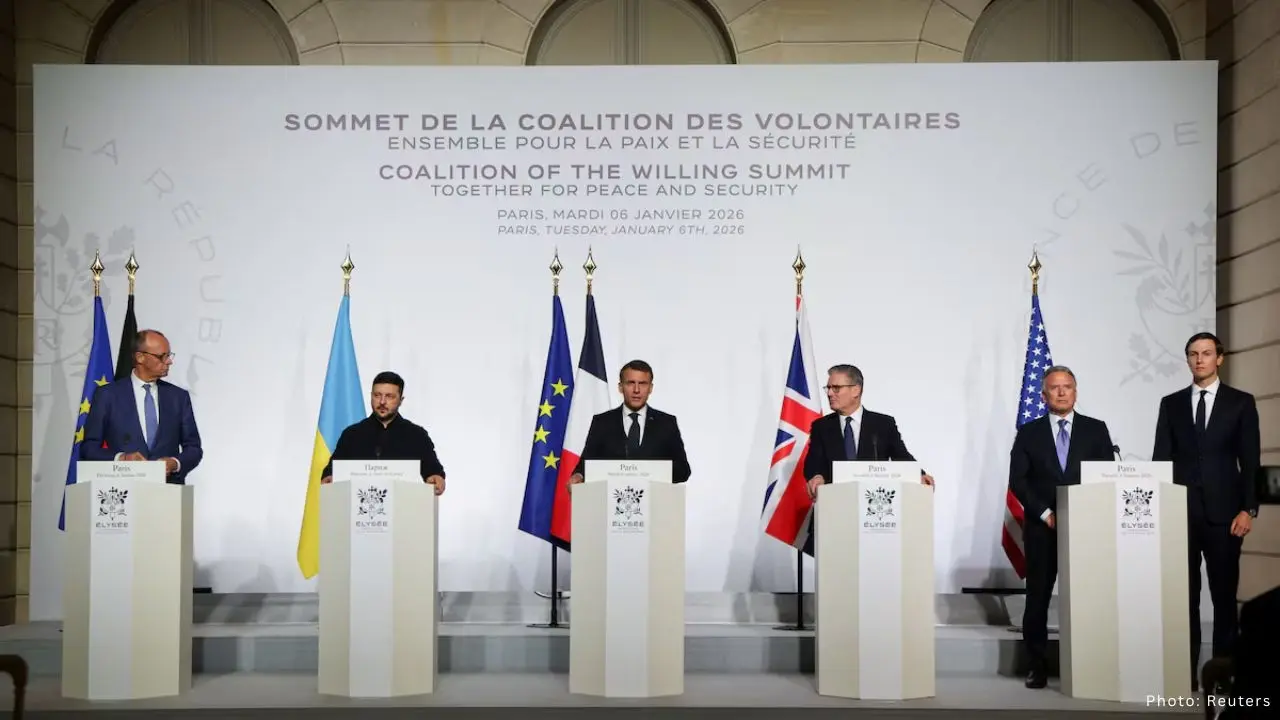
The warning was issued after a meeting in Paris attended by a coalition of nations supporting Ukraine. At this gathering, Britain and France formalized their intention to deploy forces in Ukraine after a ceasefire is established. French President Emmanuel Macron indicated that this could involve thousands of French troops. British Prime Minister Keir Starmer noted that the aim would be to safeguard Ukraine’s airspace and seas while aiding in the rehabilitation of its military.
However, Russia vehemently opposed this initiative. Officials in Moscow warned that such deployments would jeopardize not only Russian security but also Europe’s safety. They characterized the Western strategy as part of an “axis of war,” cautioning that the financial and security repercussions would ultimately fall on European citizens.
Since the onset of its full-scale invasion in February 2022, Russia has consistently resisted the idea of Western troops on Ukrainian soil, asserting it aims to prevent Ukraine from joining NATO and becoming a military menace. Moscow has made it clear that it will not accept foreign military presence in Ukraine.
Conversely, Ukraine and its allies adamantly reject Russia's stance, accusing it of attempting to annex Ukrainian territory, with nearly one-fifth of the nation still under Russian control. Ukrainian officials insist that robust security assurances are vital to ward off future assaults if peace negotiations succeed.
While the United States has stated it will not deploy its troops in Ukraine, it continues to express support for security arrangements that seek to deter further Russian aggression. This adds another layer of complexity to the situation, as Europe weighs a more expansive role in Ukraine's defense.
Russia’s warning underscores the precarious nature of the current situation. Even ongoing discussions about a ceasefire are fraught with new military threats and planning. The introduction of foreign troops risks an escalation of the conflict beyond Ukraine's borders.
As diplomatic efforts progress, the stakes remain extraordinarily high. Choices made in the forthcoming months could influence not only Ukraine's future but also the long-term security and stability of Europe.