Marco Rubio indicated that the United States might explore a different strategy if the current negotiations with Iran do not yield a diplomatic breakthrough. His comments come at a time when international attention is acute, focusing on efforts to de-escalate regional tensions and address issues regarding Tehran’s nuclear program.
These statements signal escalating anxiety about the future of the discussions between Washington and Iranian representatives. Talks have continued around sanctions, uranium enrichment regulations, and regional security, yet several significant disagreements appear unresolved.
Rubio's remarks imply that U.S. leaders are considering alternative approaches should current diplomatic attempts fail. Although he refrained from detailing these options, his words underscore the increasing urgency surrounding the ongoing negotiations as global stakeholders keep a close watch on developments.
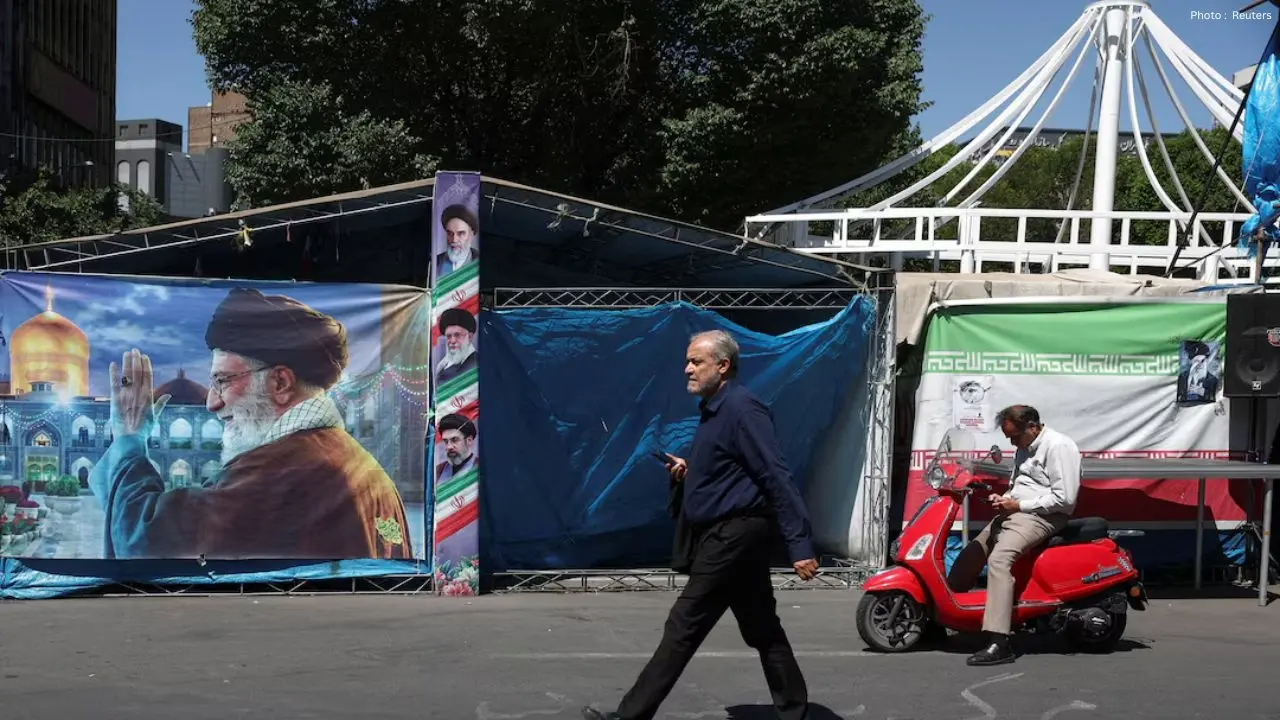
The nuclear dilemma has been a persistent geopolitical quandary in the Middle East for years. Western nations repeatedly voice worries about Iran’s growing uranium enrichment activities, while Tehran asserts that its nuclear ambitions are strictly for peaceful civilian use.
Recent diplomatic efforts have generated cautious hope among international observers, who believe that negotiations could ease military tensions and foster regional stability. However, ongoing setbacks, misunderstandings, and political estrangement continue complicating the path towards a lasting resolution.
Political commentators argue that Washington is in a delicate position, balancing ongoing diplomatic engagement while preparing alternative measures in case talks fail. U.S. officials highlight that avoiding nuclear escalation remains a top strategic priority.
The negotiations have major implications for regional security alliances, energy supply chains, and global diplomacy. Nations such as Gulf states, Israel, and various Western countries are closely monitoring the discussions, given the potential influence of the outcome on future geopolitical landscapes throughout the Middle East.
Economic factors also play a crucial role in the negotiations. The sanctions imposed on Iran in recent years have severely impacted its oil exports, banking operations, and foreign investments. Thus, any potential agreement could greatly affect international energy markets and supply chains.
Conversely, a breakdown in negotiations could trigger fears of renewed confrontation, military conflict, or increased economic penalties. Investors and energy markets remain wary, responding cautiously to significant developments in the diplomatic process.
Rubio’s statements reflect a broader discussion within U.S. political spheres about the approach towards Tehran, with some advocating for ongoing diplomacy and others urging for stricter pressure and enforcement of sanctions.
Meanwhile, Iranian negotiators maintain their demand for guarantees related to sanctions relief and future compliance strategies. There are reports of persistent challenges in reconciling differences regarding inspection protocols, enrichment limits, and the terms of long-term agreements.
The situation unfolds amidst escalating geopolitical uncertainties in the Middle East, where conflicts, security issues, and strategic competitions influence diplomatic strategies. Regional authorities aim to avert larger instability while safeguarding their national interests.
Experts in security assert that the outcomes of these negotiations could significantly alter military planning, alliance dynamics, and diplomatic relations in the region. Any significant shifts in the relationship between Washington and Tehran might reshape wider geopolitical strategies involving multiple nations.
International mediators are urging both parties to continue dialogue despite the challenges present in the negotiations. A number of governments and diplomatic entities believe sustained communication is pivotal in preventing further escalation and promoting regional stability.
While the potential for a durable agreement remains uncertain, Rubio's latest comments illustrate that Washington is preparing for various possible scenarios as one of the globe’s most scrutinized diplomatic negotiations unfolds.