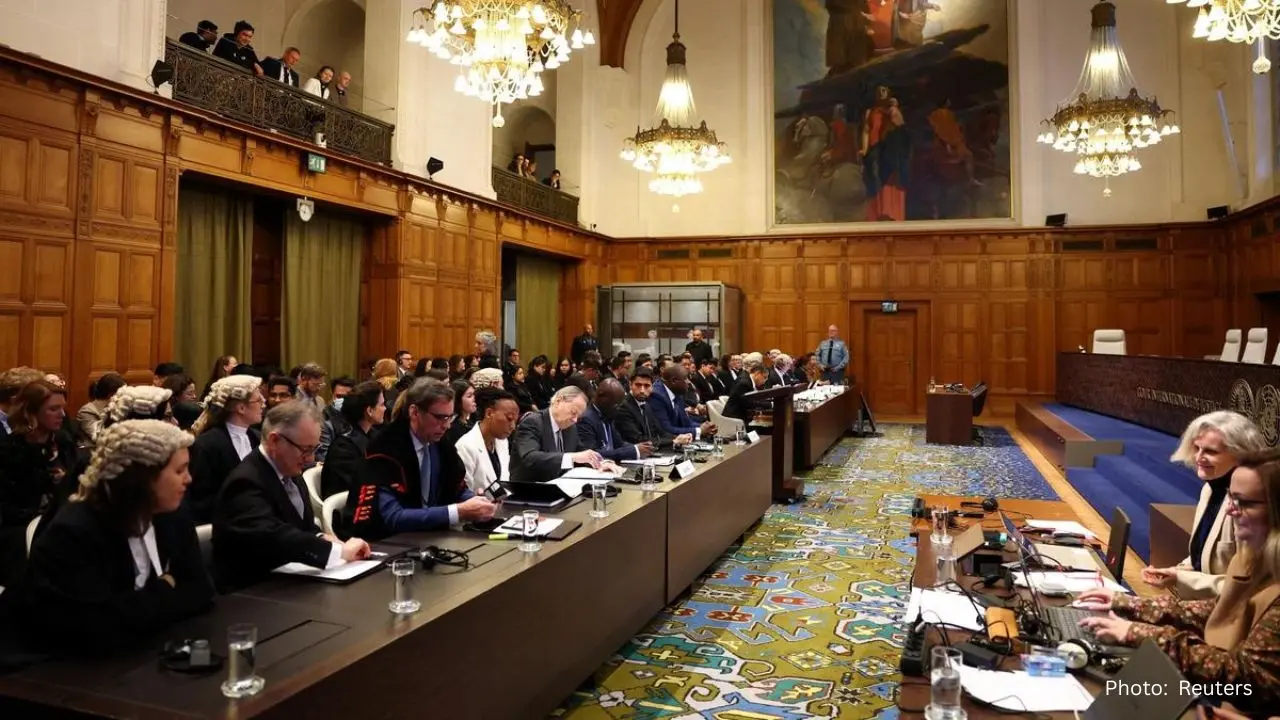
Global attention is focused on the Rohingya crisis as a significant legal case commences at the International Court of Justice (ICJ), the highest court of the United Nations. On January 12, 2026, judges in The Hague initiated hearings in a case accusing Myanmar of genocide against the Rohingya people, a Muslim minority.
This particular case is notable as it marks the first genocide hearing at the ICJ in over a decade. Legal analysts suggest that the court's decision may influence future genocide rulings, impacting not only Myanmar but other global conflicts as well.
Filed in 2019 by Gambia, a small West African nation, the case represents the Rohingya on allegations that Myanmar’s military executed efforts aimed at the destruction of the group. The primary focus is a military operation undertaken in 2017 in the Rakhine state, resulting in over 730,000 Rohingya fleeing into Bangladesh.
Many refugees recount terrifying experiences, including burned villages, killings, sexual violence, and broken families. A United Nations fact-finding mission later confirmed that there was substantial evidence of genocidal acts by the military.
Despite Myanmar's strong denial of these charges, claiming a lawful military response to militant attacks, the Rohingya survivors view this case as a beacon of hope after years of suffering and neglect. Some victims made their way to The Hague to witness the hearings, seeking official recognition of their suffering and a resolute message that such actions will not be tolerated in the future.
The hearings are projected to continue for approximately three weeks, marking the first instance where Rohingya victims will present their stories before an international court, although parts of the hearings will be closed for privacy and safety considerations.
This case unfolds during a turbulent period for Myanmar, following a military coup in 2021, leading to persistent violence, public protests, and political instability. Recent military-held elections are criticized by the United Nations and human rights organizations as not being fair.
Experts anticipate that the ICJ’s ruling may significantly influence the definition of genocide, the assessment of evidence, and the mechanisms for justice for victims globally. For the Rohingya, this case symbolizes a long-awaited opportunity for recognition and accountability in international law.
As the proceedings advance, the international community remains vigilant, aware that the outcome could signify a vital move toward justice, truth, and holding perpetrators accountable.