Match Overview: India’s Tactical Missteps
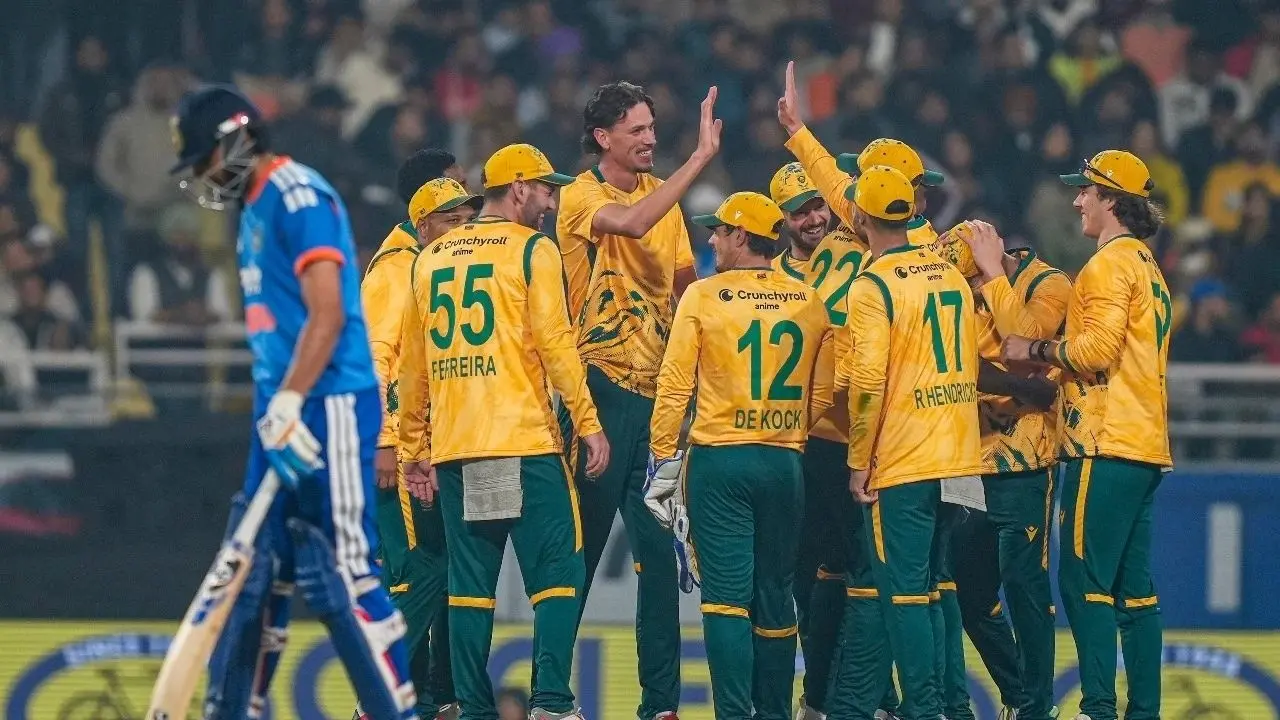
The second T20I between India and South Africa promised excitement and intensity, yet it ended up highlighting South Africa's complete dominance. The Proteas outperformed India in nearly every aspect, leading to a commanding 51-run win that leveled the series. South Africa's methodical batting and disciplined bowling significantly overshadowed India's early hopes, raising questions about India’s strategy and adaptability as the series progresses.
From the very start, South Africa showcased their modern T20 cricket approach, beginning aggressively, settling in strategically, and finishing in style. In contrast, India struggled to find their rhythm while chasing a challenging target, marking a potential shift in the narrative of the series.
South Africa’s Batting Excellence
Quinton de Kock: The Catalyst
Central to South Africa’s innings was a stellar performance from Quinton de Kock, who not only contributed runs but successfully exerted pressure on India. His ability to navigate the challenging surface with strategic shot selection laid a solid foundation. De Kock's knack for rotating the strike while punishing loose deliveries proved crucial in maintaining momentum.
Middle Overs Mastery
In the middle overs, South Africa demonstrated remarkable control, keeping the run rate healthy despite India’s attempts to rein in their scoring. Their partnership approach ensured wickets remained intact until the end of the innings, even under changing fielding restrictions.
Power Finishers Shine
As the match approached its final stages, power-hitters like David Miller took charge, effectively accelerating South Africa's score with calculated aggression. Their seamless blend of technique and planning yielded a target of over 200 runs that proved daunting for India.
India’s Bowling Lapses
Inconsistent Lines Early On
India’s bowlers began decently but soon faltered, failing to maintain consistent lines and lengths. The lack of pressure allowed South Africa to capitalize on multiple scoring opportunities—a recurring theme that undermined India’s control.
Failure in Middle Overs
During critical phases, India’s bowling lacked incisiveness, permitting South Africa to dominate without a threat of wickets falling. The absence of wicket-taking deliveries only intensified India’s struggles.
Issues in the Death Overs
India’s troubles peaked in the death overs as they conceded valuable runs due to execution failures. This notable lapse amplified the target, leaving India with an unrealistic chase.
India’s Struggles with the Bat
Top Order Collapse
India’s innings got off to a disastrous start with Shubman Gill dismissed on the very first ball. This initial setback rattled the batting order, putting India on the backfoot as they struggled to maintain momentum.
Tilak Varma’s Resilience
Tilak Varma stood out as a lone beacon of resistance against the onslaught, showcasing remarkable skill. However, without substantial partnerships, his efforts fell short of turning the tide for India.
Middle Order Woes
India's middle order faltered, compounding their hardships as the required rate climbed. The inability to sustain partnerships hampered their chase, culminating in being bowled out for 162.
South Africa’s Bowling Prowess
Setting the Tone with Pace
South Africa's bowling attack displayed exceptional discipline and aggression, preventing India from settling into a groove. Their effective line and length maintained pressure throughout the innings.
Spin Strategy
While not heavily reliant on spin, South Africa’s slow bowlers executed their roles effectively, forcing India into risky plays that resulted in crucial wickets.
Critical Moments That Shaped the Game
De Kock's Impact
De Kock’s early offensive play set the tone for South Africa’s innings, leading to a challenging total that India could not chase.
India's Insurmountable Woes
The loss of top order wickets early on stifled India's chances for a coherent chase, resulting in a significant defeat.
Concluding Thoughts
This match bore witness to South Africa's dominance, revealing weaknesses in India's approach that will require urgent attention. As the series is now tied, the upcoming fixtures pose a significant test for both teams moving forward.
Disclaimer:
This analysis draws on match data for informational and analytical purposes.