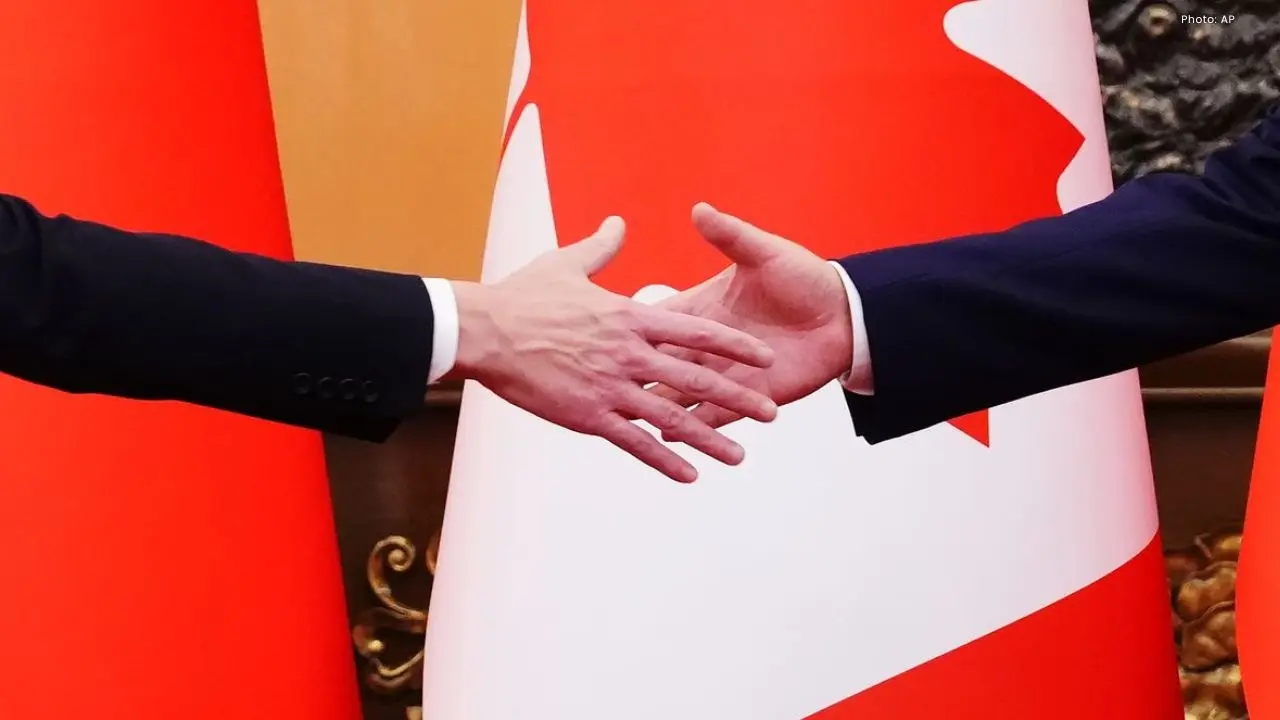
Canada’s strategic outreach to China highlights the rapidly changing landscape of global politics. Prime Minister Mark Carney’s visit to Beijing was not merely a ceremonial engagement; it aimed to establish a new equilibrium as aged alliances face disruption.
Throughout his four-day visit, Carney engaged with Chinese President Xi Jinping in discussions designed to mend the nearly decade-long rift caused by political discord, trade conflicts, and human rights issues. Their exchanges were marked by an optimistic tone, signaling the potential for renewed collaboration.
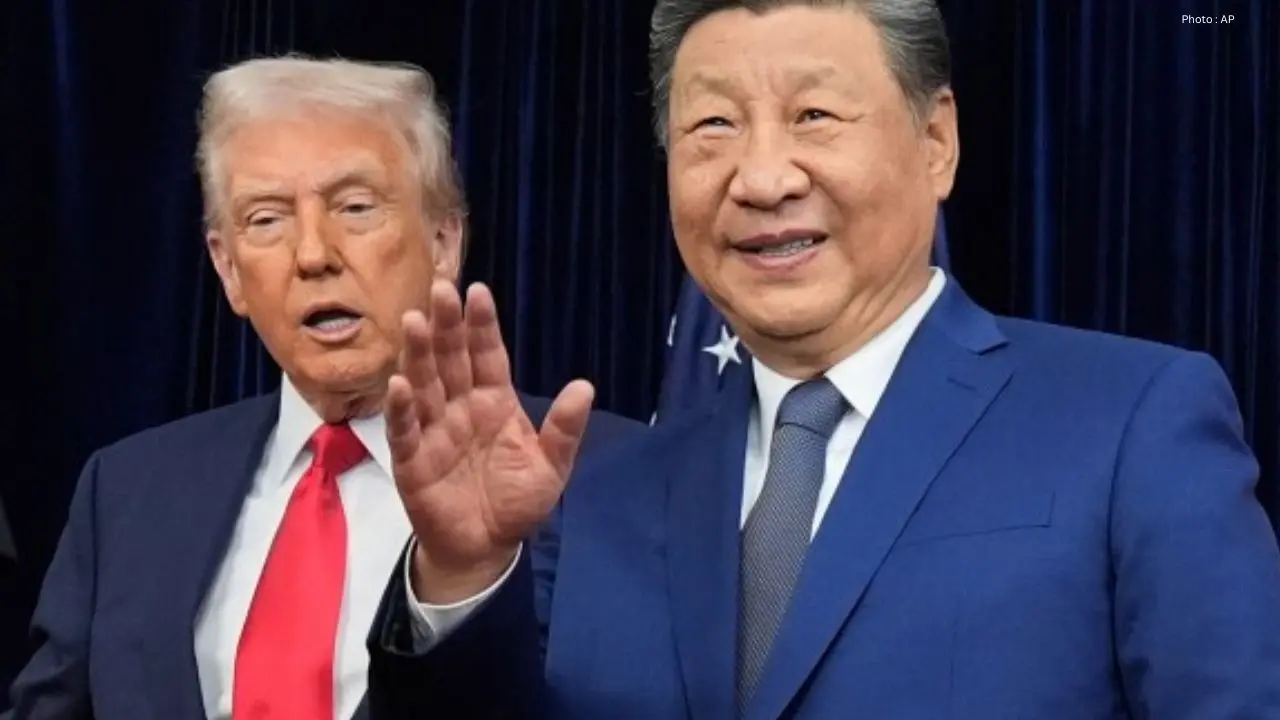
While the two leaders engaged directly, the influence of U.S. President Donald Trump loomed over their discussions. His administration's policies and rhetoric have prompted Canada to reconsider its long-standing reliance on the United States.
Historically, Canada and the U.S. have enjoyed close relations in trade and defense. However, recent tensions, fueled by tariffs imposed by Trump and remarks questioning Canada’s autonomy, have raised concerns among Canadians.
This renewed dialogue with China is indicative of Canada’s pursuit of “strategic autonomy,” aiming to diversify relationships instead of depending on a single dominant ally. As the second-largest trading partner, China plays a crucial role in Canada's economic strategy.
During his visit, Carney emphasized the need to lessen Canadian businesses' dependency on the U.S., suggesting that despite significant cultural and political differences, constructive dialogue and trade can proceed.
The discussions yielded tangible results, with Canada agreeing to a reduction in tariffs on Chinese electric vehicles, while China reciprocated by lowering tariffs on Canadian agricultural exports, including essential canola seeds. This mutual concession aims to benefit both nations amidst ongoing global economic challenges.
Under this agreement, a limited quota for Chinese electric vehicles will be established with gradual increases over time, while Canadian farmers gain improved market access with reduced tariffs on canola exports.
The overarching political implication of this visit is the assertion of Canadian sovereignty. Canada is signaling its ability to pursue multiple avenues; if one partnership falters, another may emerge. This does not imply abandoning the U.S., but rather a desire for greater flexibility in international relations.
Analysts suggest that China stands to gain from a strengthened bond with Canada, reinforcing its stature as a global counterbalance to U.S. hegemony. The deep-rooted cultural connections within Canada’s Chinese community further enhance the importance of this bilateral relationship.
Chinese media characterized Carney’s visit as timely given the current global climate of unpredictability and rising protectionism, challenges common to both nations.
Both leaders exercised caution in their rhetoric, with Xi emphasizing stability and Carney acknowledging that Canada’s recent engagement with China appears more predictable compared to dealings with Washington. In the current context, predictability is prized by markets and policymakers alike.
Some analysts propose that while China seeks a reliable Canadian partner, Trump may favor a less robust ally more amenable to U.S. pressure. This divergence reflects broader shifts in international relations today.
The reaction from Trump regarding Canada’s arrangement with China was surprisingly measured, suggesting that the partnership aligns with Canada’s interests. Nevertheless, questions linger about how sustainable this calm approach will be given Trump's history of volatile responses.
For the time being, Carney's engagement has offered Canada a reprieve, demonstrating to its domestic audiences that it is not beholden to a single strategic path. This moment also underscores the capacity of medium-sized nations like Canada to engage in nuanced diplomacy within a fractious global landscape.
While the long-term repercussions of this Canada–China relationship remain unclear, enduring concerns over political discord, human rights, and security challenges persist. Diplomacy often entails managing conflicts, rather than ignoring them.
In a context influenced by rapid transformations and powerful personalities, Canada’s quest for balance and predictability could prove prescient. The success of this endeavor will hinge on the actions of not just Beijing and Ottawa, but also Washington's future decisions.