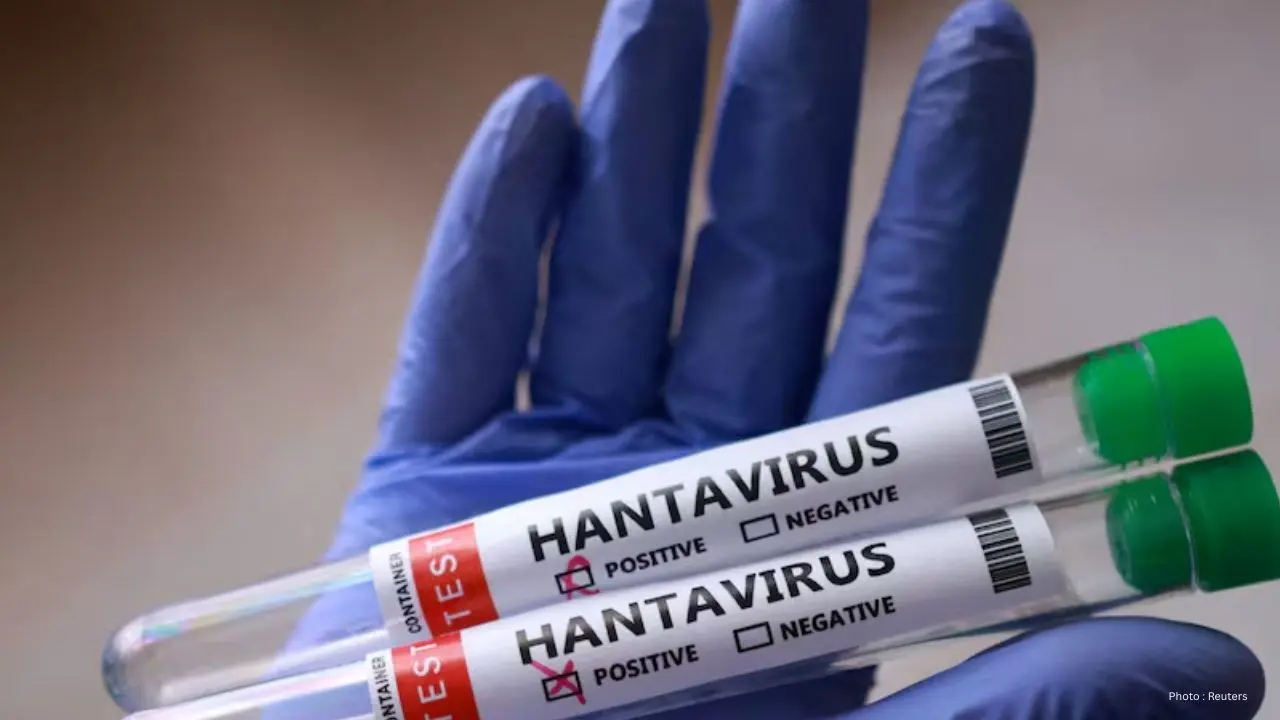
Researchers around the world are continuing efforts to develop treatments and vaccines for hantavirus, a rare but potentially deadly disease that currently has no specific cure. Medical experts say progress has been made in understanding how the virus spreads and affects the body, but effective antiviral treatments and widely approved vaccines are still limited.
Hantavirus is mainly spread to humans through contact with infected rodents, especially through urine, droppings, or saliva particles that become airborne. People can become infected by breathing contaminated dust in enclosed spaces such as cabins, barns, sheds, or poorly ventilated buildings where rodents are present. The disease is considered rare, but severe cases can become life-threatening very quickly.
Symptoms often begin with fever, fatigue, muscle pain, headaches, and nausea before progressing in some patients to serious breathing problems and lung complications. In severe cases, hantavirus pulmonary syndrome can cause fluid buildup in the lungs, making it difficult for patients to breathe. Doctors say early medical care is critical because patients may rapidly become critically ill.
Currently, there is no officially approved cure specifically designed to eliminate hantavirus infections. Treatment mainly focuses on supportive hospital care, including oxygen therapy, intravenous fluids, and intensive care support for patients experiencing severe respiratory problems. Medical teams often attempt to stabilize patients while the immune system fights the infection naturally.
Researchers are testing several experimental antiviral approaches that may help reduce the severity of the disease. Some studies have examined drugs previously used for other viral infections, while scientists also continue investigating monoclonal antibody treatments that could help neutralize the virus during early infection stages. However, experts say more clinical trials are needed before those treatments can become widely available.
Vaccine development has also become an important focus for researchers, especially in countries that experience more hantavirus cases. Some experimental vaccines have shown promising results in laboratory studies and limited human trials, particularly in Asia where certain hantavirus strains are more common. However, no universally approved vaccine is yet widely available for global public use.
Public health experts say prevention remains the best defense against hantavirus infection. Authorities recommend avoiding direct contact with rodents, properly ventilating closed spaces before cleaning, disinfecting contaminated areas carefully, and using protective equipment when handling rodent-infested locations. Experts warn against sweeping or vacuuming rodent droppings directly because that can release infectious particles into the air.
Interest in hantavirus research has increased in recent years following occasional outbreaks and isolated high-profile cases reported in North America and other regions. Scientists say climate conditions, changing ecosystems, and rodent population shifts may influence how often humans come into contact with infected animals.
Medical researchers remain hopeful that advances in virology, immune therapies, and vaccine technology could eventually improve survival rates and prevention methods. Still, experts caution that hantavirus remains a serious infectious disease requiring continued research, public awareness, and strong disease monitoring systems worldwide.