A Quiet Transformation in Women’s Health
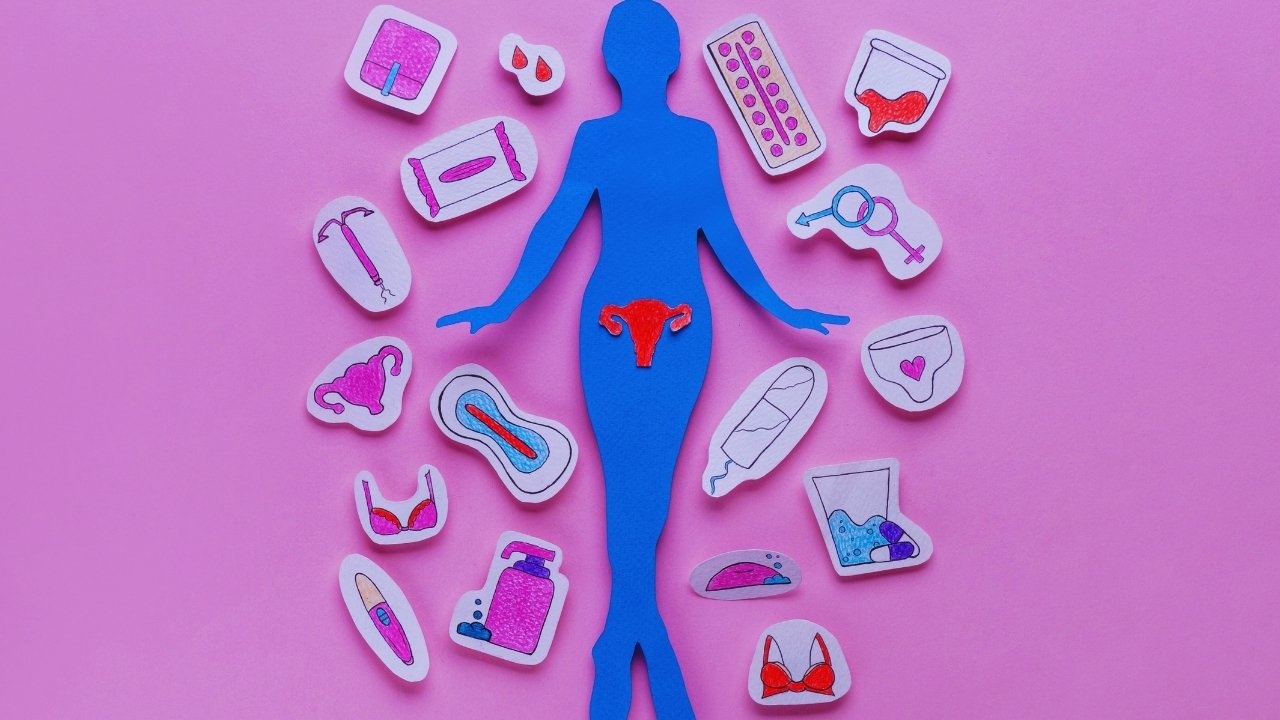
For generations, conversations about periods and menopause were often private or overlooked. That era is fading. Across communities and clinics, women are reclaiming these chapters of life with curiosity and care, as healthcare and culture shift toward greater respect for reproductive journeys.
In 2025, the focus has moved from mere recognition to meaningful change. New diagnostics, personalized plans and everyday tech give women practical ways to learn about their bodies. This isn’t only about gadgets; it’s a broader change in how we value and support women at every age.
FemTech and the New Wave of Digital Care
The surge of FemTech has helped reshape the scene. Startups and clinics are offering everything from intelligent menstrual devices to apps that interpret biochemical signals, creating a landscape where the female body is understood with far greater nuance.
Where once apps logged dates, today’s platforms forecast hormonal shifts, mood patterns and fertile windows using machine learning. They also offer guidance on PMS, sleep and nutrition tailored to cycle phases. These tools are building a women-first corner of healthcare that feels both practical and empowering.
Menopause Enters the Mainstream
Menopause is no longer whispered about; it is being named, researched and treated as a significant life transition. Clinicians and wellness brands are offering refined hormone therapies and non-hormonal options, while wearables and symptom-monitoring tools help women manage hot flashes, sleep changes and mood swings with greater confidence.
Workplaces and insurance plans are beginning to acknowledge menopause as part of employee well-being, introducing measures such as flexible hours and targeted benefits. Public figures and health professionals are also speaking up, helping to normalize what affects half the population.
Hormones as Central to Everyday Well-Being
Hormones influence energy, mood, metabolism and beyond. Today’s wellness plans increasingly center hormone balance, using non-invasive tests to track estrogen, progesterone and cortisol patterns over time.
Tailored hormone therapies, including bioidentical approaches, let clinicians match treatment to a woman’s unique profile rather than applying broad averages. The result is more effective symptom relief with attention to safety and individual needs.
Food, Movement and Rhythms of Life
Nutritional guidance and exercise routines are being synced to hormonal cycles. Dietitians recommend different foods and training styles for the follicular versus luteal phases, and menopause-focused plans emphasize bone and heart health through nutrient-dense choices.
Practices like yoga, mindfulness and restorative movement are increasingly recommended to relieve stress and improve overall hormonal resilience. These lifestyle shifts treat well-being as an ongoing, adaptable practice rather than a one-time fix.
Shifting Cultural Narratives
Taboos remain in places, but advocacy and education are changing hearts and policies. Schools now include menstrual literacy, and some governments provide free menstrual products to ensure dignity and access. Such measures are helping to dismantle stigma and build a more equitable public health landscape.
Menopause awareness campaigns are also prompting employers to offer better support, transforming a previously hidden experience into a recognized aspect of workforce wellness.
Mental and Emotional Dimensions
Physical symptoms are only part of the story. Period pain, hormonal mood swings and menopausal anxiety affect mental health, and integrated care models now pair reproductive health with mental health support. Therapy platforms and mindfulness programs are increasingly tailored to these life stages.
This holistic approach values emotional rhythms alongside biological ones, encouraging women to accept and work with their bodies rather than feeling at odds with them.
Workplace Policies and Practical Support
Corporate benefit packages are being updated to include reproductive health services, menstrual leave, and flexible arrangements for menopausal employees. Some countries and companies already lead the way, and a growing number of employers are recognizing the value of gender-aware health policies.
Insurance coverage is also expanding to include fertility treatments and menopause care, narrowing gaps in access and moving toward greater health equity.
AI, Predictive Tools and Earlier Diagnosis
Data science and AI promise the next advance in women’s health. Predictive models can flag irregular cycles, early perimenopausal signs, or hormonal imbalances before they escalate. Wearables that monitor subtle physiological changes could soon alert women and clinicians to issues earlier than ever.
In the near future, virtual consults driven by AI may offer personalized guidance and speed up diagnoses for conditions like endometriosis and PCOS, illnesses often delayed in detection because of historical under-research.
Education as Empowerment
Clear, stigma-free education is reshaping choices. Schools, workplaces and social platforms increasingly teach menstrual biology and menopause realities, not just hygiene. Accurate, accessible information lets women make informed healthcare decisions.
When knowledge spreads and services follow, health becomes something everyone can expect—not a privilege reserved for some.
From Shame to Strength
Public attitudes are evolving. Rather than viewing menstruation as an inconvenience or menopause as decline, many now see these phases as natural transitions with their own strengths. Communities and movements centered on menstrual equity and menopause awareness emphasize dignity, resilience and solidarity.
Women are treating tracking, education and preparation as self-care, reclaiming control over experiences that were once shrouded in silence.
What Comes Next
The future of women’s health will blend compassion with cutting-edge science. Research into genetic and molecular drivers of hormonal conditions continues, while companies build AI-based nutrition and movement plans that adapt across life stages.
By 2030, experts expect the market for female-focused health to expand significantly, driven by smarter tech and deeper cultural recognition. The take-away is clear: women’s health is stepping into the spotlight as an essential, evolving field.
Disclaimer
This piece is for informational purposes and does not replace professional medical advice. Readers experiencing menstrual or menopausal symptoms should consult a healthcare professional for tailored care.