Insight into the Rising Prices of Gold and Silver Despite Reduced US–Iran Tensions
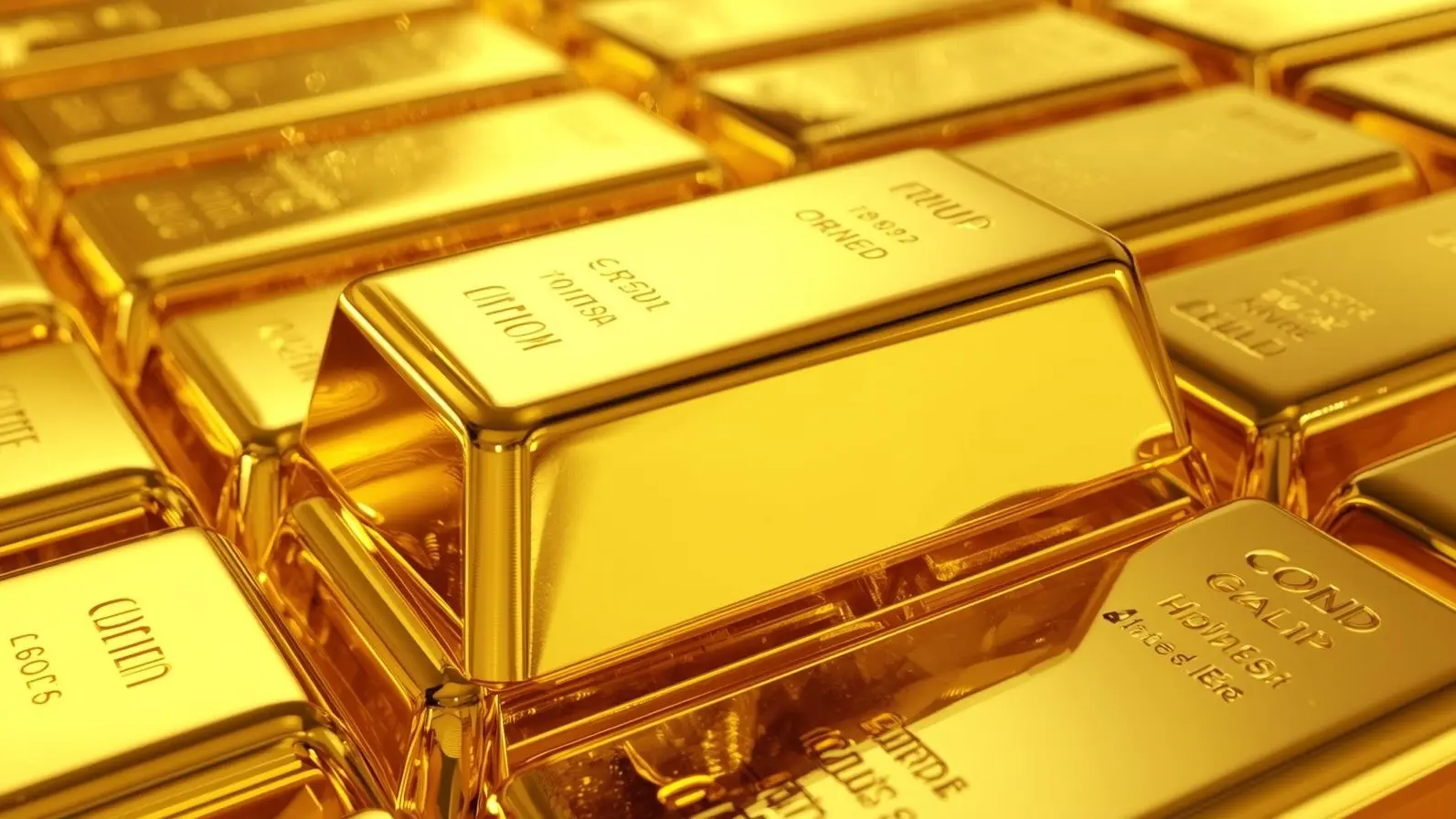
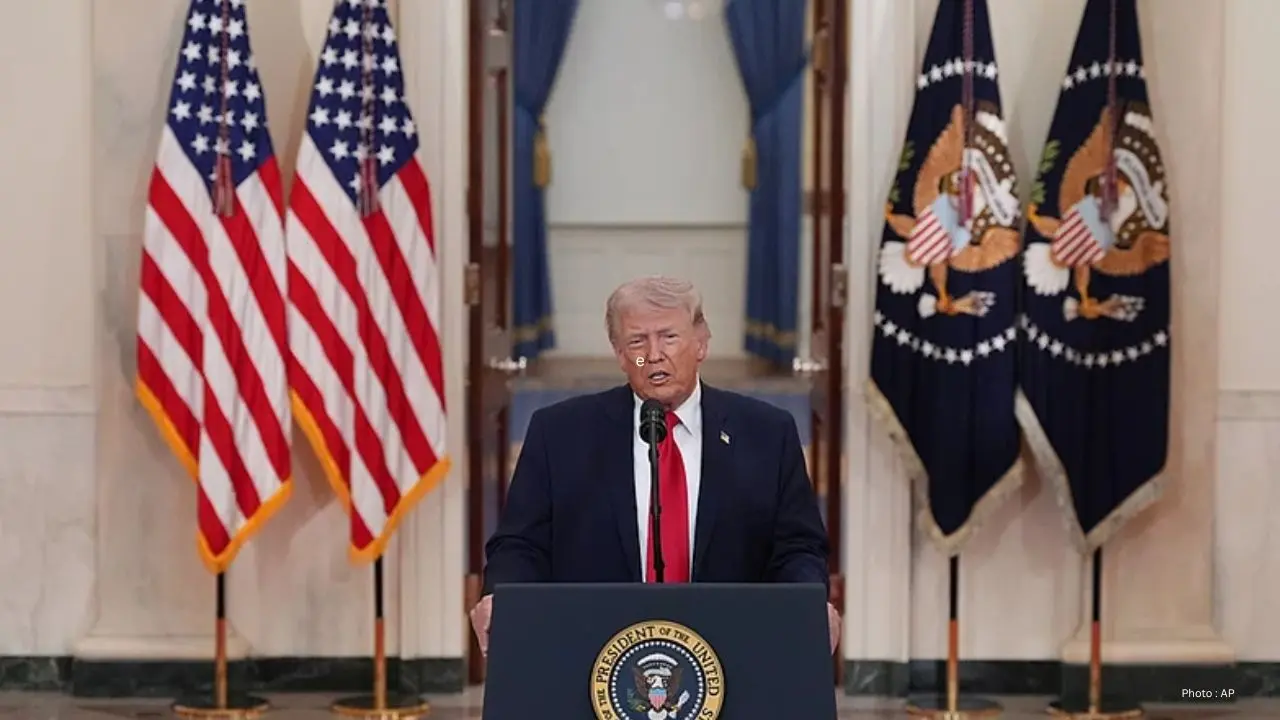
Gold and silver have historically been seen as safe-haven assets, with investors often seeking refuge in these metals during times of uncertainty. Typically, rising geopolitical tensions—especially between powerful nations like the United States and Iran—drive prices upward. However, the current trend is unusual; as tensions begin to simmer down, both metals continue to climb in value.
This phenomenon indicates that the global financial landscape is impacted by a variety of deeper factors rather than just surface geopolitical narratives.
Ongoing Global Economic Instability Fuels Demand
Even as a critical geopolitical concern may be resolving, the broader global economic framework remains precarious. Many nations experience sluggish growth, high inflation, and escalating debt. They are grappling with stable development amid lingering disruptions caused by global crises, supply chain challenges, and evolving policy environments.
Investors are adopting a comprehensive view of the economic landscape. When faced with risks like recession prospects, weak employment situations, and volatile financial systems, they tend to protect their wealth. Gold and silver are regarded as physical assets with historical stability, making them appealing during such turbulent periods. This persistent uncertainty keeps the demand for these precious metals robust, even in the absence of current geopolitical crises.
Inflation Remains a Key Factor Influencing Investments
Inflation continues to be a pressing issue for both individual and institutional investors. Although some regions indicate a slowdown in inflation rates, the overall cost of living remains elevated. Prices for essentials like food, fuel, and housing are stretching household finances across various countries.
Gold and silver are frequently viewed as effective hedges against inflation, preserving their value when paper currencies lose purchasing power. As individuals feel their money's value erode, they flock to assets that have historically maintained wealth. This ongoing inflationary anxiety is a significant driver of rising demand for these metals, even as geopolitical tensions ease.
Central Banks Are Stockpiling Gold
An important but often overlooked reason behind increasing gold prices is the proactive purchasing by central banks worldwide. Numerous countries are actively bolstering their gold reserves as a strategic financial move. This trend is motivated by a goal to reduce dependency on foreign currencies while enhancing national financial security.
Central banks consider gold a steady and trustworthy asset capable of shielding their economies during crises. When several central banks make large-scale bullion purchases, it generates heightened demand in the market, propelling prices upward and supporting the long-term trend.
Shifting Predictions on Interest Rates
Interest rate dynamics importantly influence the attractiveness of gold and silver investments. Higher rates often lead investors to favor fixed-income options like bonds due to better potential returns. Conversely, speculation that interest rates might drop enhances the appeal of non-yielding assets like gold and silver.
Currently, there’s an increasing belief that prominent financial institutions, such as the Federal Reserve, may opt to lower interest rates to stimulate growth. Reducing rates diminishes the opportunity cost of holding non-yielding assets, prompting investors to reallocate funds to gold and silver, further driving their prices upward.
Declining Strength of the US Dollar
The performance of the US dollar is crucial in determining gold and silver prices. Typically, when the dollar weakens, gold becomes more affordable for international investors, thereby boosting global demand. This inverse relationship is a critical component of price fluctuations.
Recently, the US dollar has exhibited volatility due to economic uncertainty and shifting policy expectations, making gold and silver more appealing for global buyers. Increased international demand consequently leads prices to rise, even when geopolitical triggers may be lacking.
Growth in Industrial Demand for Silver
Unlike gold, silver boasts a dual role as both an investment and an industrial commodity. It not only serves as a store of value but is also extensively utilized across various sectors, particularly in advancing technologies.
The heightened focus on renewable energy and modern electronics has driven demand for silver. As a crucial material in solar panels, electric vehicles, batteries, and electronics, its demand rises in line with investments in sustainable advancements.
This industrial appetite provides robust support for silver prices, keeping them elevated even amidst fluctuating investment demand.
Enduring Global Geopolitical Challenges
While US–Iran tensions may have temporarily eased, the international geopolitical landscape remains multifaceted and uncertain. Ongoing trade disputes, regional conflicts, and political instability persist in various areas.
Investors are acutely aware that geopolitical conditions can rapidly evolve. As they anticipate potential future risks, demand for reliable assets like gold and silver persists, allowing them to hedge against unanticipated global developments.
Market Sentiment and Investor Behavior
Market sentiment is pivotal in influencing price trends. Investor choices are often driven by expectations, emotions, and perceived risks rather than solely by factual events. In uncertain environments, caution and fear shape market dynamics.
Many investors are modifying their approach by reducing exposure to turbulent assets like stocks and cryptocurrencies. This results in a strategic shift toward safer options that offer stability and value over time, propelling gold and silver to the forefront.
This alteration in investor mindset significantly contributes to the continuous rise in the prices of these precious metals.
Future Indicators for Investors
Several critical factors will dictate future movements in gold and silver prices, including global inflation patterns, central bank actions, interest rate movements, fluctuations in currency value, and developments in industrial demand.
It's also vital to remain vigilant about major economies' responses to economic pressures and potential escalations of geopolitical tensions in various regions. Keeping an eye on these elements can yield crucial insights into upcoming price trends and guide wise investment choices.
Disclaimer
This article serves informational purposes only and should not be construed as financial or investment advice. Market situations can shift swiftly, and readers are encouraged to consult a qualified financial advisor prior to making any investment actions.