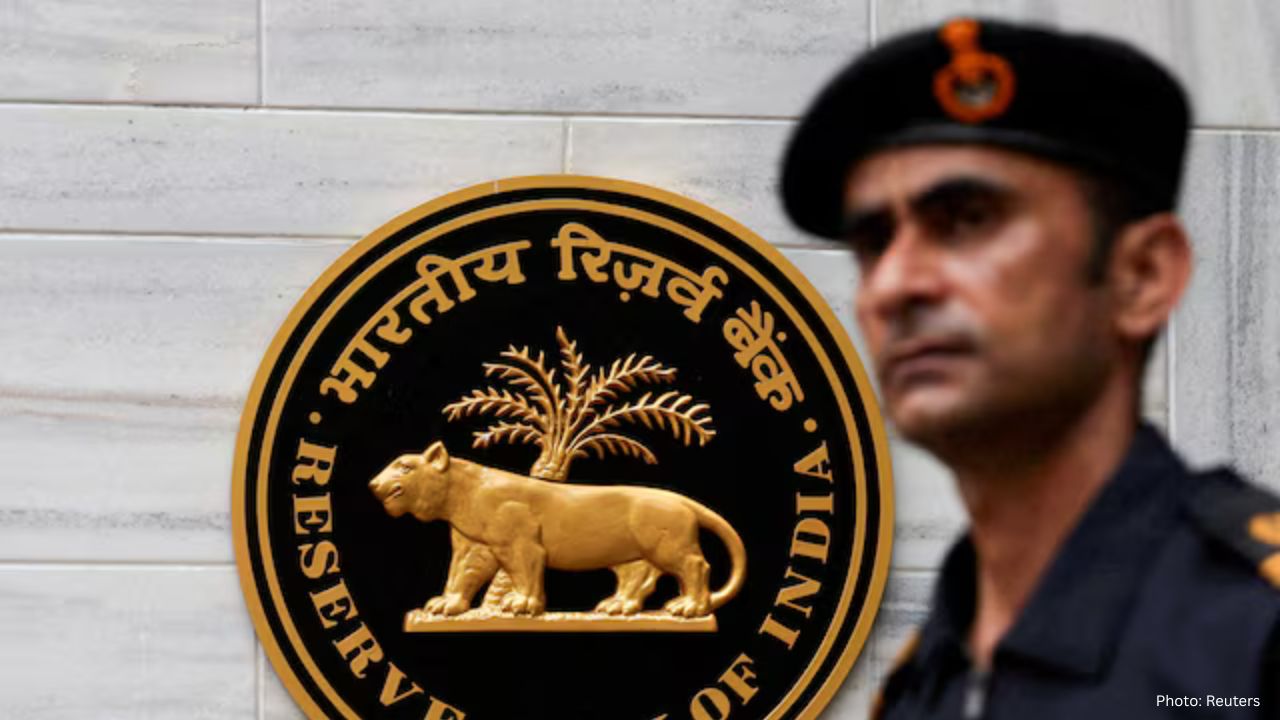
As 2025 closes, India's government bond market presents a mixed landscape, despite the Reserve Bank of India's (RBI) largest intervention to stabilize the situation. Record liquidity and significant interest rate reductions have thwarted a drastic increase in bond yields, yet persistent concerns about substantial borrowing and lackluster demand persist as the nation approaches 2026.
Throughout 2025, the RBI infused an astonishing 11.7 trillion rupees into the market, employing strategies such as major bond acquisitions, foreign exchange swaps, and reductions in banks' cash reserve ratios. Additionally, the central bank lowered interest rates by a cumulative total of 125 basis points, marking the most aggressive easing since 2019. These actions aimed to keep borrowing expenses low and champion economic growth.
Consequently, the 10-year benchmark government bond yield has experienced a third consecutive year of decline, finishing 2025 around 6.59%, down 17 basis points since the year's onset. This appears favorable; however, the decline was less pronounced than anticipated given the RBI's extensive support.
The bond market's outcomes demonstrated contrasting dynamics throughout the year. In the first half, yields decreased significantly as investors responded positively to rate reductions and ample liquidity. Conversely, in the latter half, yields rebounded due to rising concerns regarding the influx of new bonds from central and state entities. This consistent stream of debt has made investors more cautious.
Investor demand also showed signs of weakening. Insurance companies reported reduced inflows, pension funds diverted more capital into equities, and banks did not completely restore their bond inventories after selling to the RBI, leading to an imbalance between supply and demand that pressured bond valuations.
Another hurdle arose from the currency market, where the Indian rupee plummeted nearly 5% throughout 2025, marking its poorest performance in three years. Significant foreign investor withdrawals and the absence of a trade agreement with the United States exacerbated the strain. A weakened rupee forced the RBI to tread carefully, balancing its bond support strategy with the need for currency stability.
Looking to 2026, analysts predict that bond yields will remain within a narrow band. With inflation being contained, the RBI is expected to maintain interest rates at their current levels for an extended duration. Future decisions will rely heavily on the Union Budget, borrowing strategies, as well as the RBI's management of liquidity and the rupee.
In summary, while the RBI's landmark actions in 2025 mitigated severe pressures in the bond market, they have not spurred a robust rally. As India transitions into 2026, government bonds are poised to remain stable but cautious in light of borrowing requirements, investor interest, and the decisions of the central bank.