Photo:AP
Tense negotiations resume in Doha
Doha hosted the first round of indirect ceasefire discussions between Israel and Hamas. Despite international mediation and intense anticipation, the session concluded without agreement. Sources from both delegations confirmed that the Israeli team did not have the mandate to commit to binding terms, affecting momentum and trust.
Mandate limitations stall progress
Although the Israeli delegation claimed to reflect national policy objectives, they lacked authority to authorize concessions critical to Hamas—especially regarding troop withdrawal, hostage release schedules, and expanded humanitarian access. This significant constraint underscored the imbalance of power and the political complexity shaping the talks.
Timing tied to Washington summit
The timing was strategic: this session preceded Prime Minister Netanyahu’s scheduled meeting in Washington. While U.S. backing raised hopes for fresh impetus, the lack of preparatory powers in Qatar revealed the limitations confronting diplomatic efforts, even with U.S. support looming.
An American-led ceasefire framework
Backed by U.S. officials, a framework emerged proposing a 60-day ceasefire tied to staged hostage releases and Israeli military pullbacks. Initial deals included releasing both living and deceased captives, expanding humanitarian shipments via Rafah, and easing economic restrictions. While Hamas received the plan with cautious optimism, Israel remained hesitant without stronger security assurances.
Israel maintains hard-line stance
Prime Minister Netanyahu emphasized any deal must enforce Hamas disarmament and the safe return of hostages. He stressed that without credible safeguards and enforcement mechanisms, Israeli military control must remain. This insistence heightened concerns among Palestinians and international partners about a lack of flexibility.
Mounting pressure within Israel
Public unrest in Israel has grown markedly. Large demonstrations, especially in Tel Aviv, show families of hostages demanding release and citizens pushing for a ceasefire. As media coverage intensifies, political currents shift swiftly—Netanyahu manages between hard-line allies and moderate public demands.
Humanitarian crisis deepens in Gaza
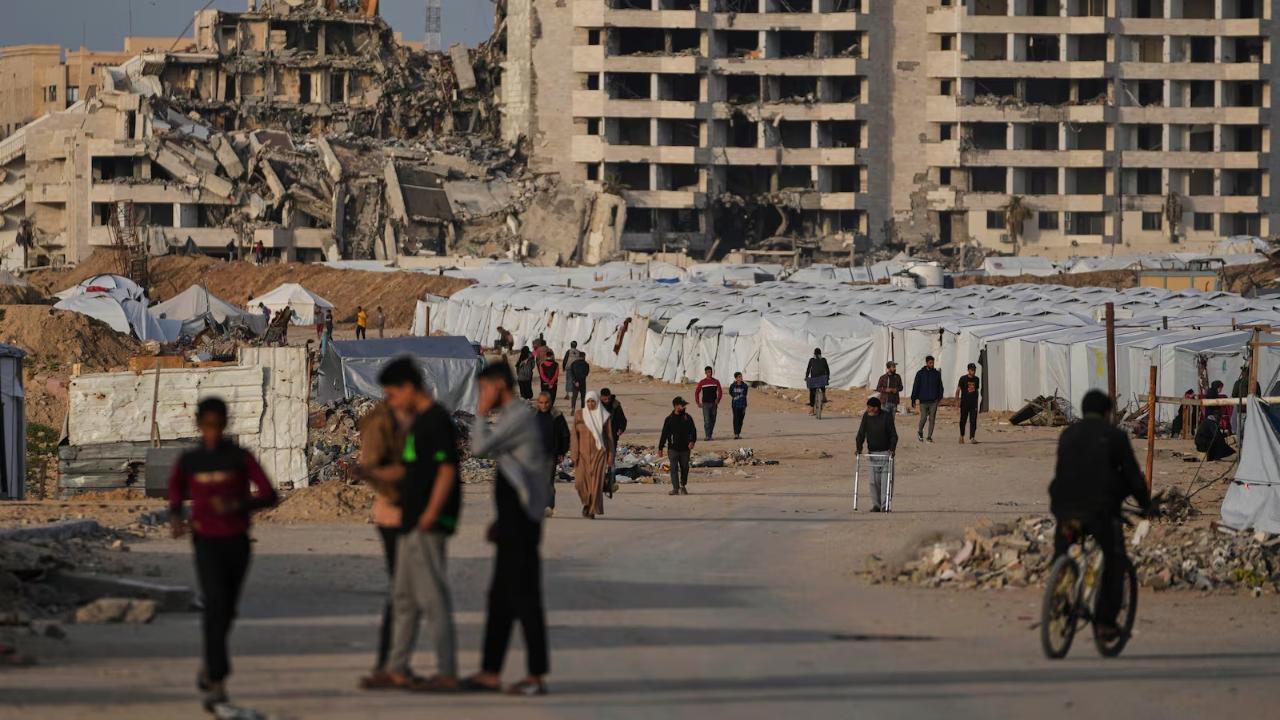
After months of military operations, Gaza faces widespread devastation. Infrastructure lies in ruins and vital services—water, electricity, medicine—remain scarce. Agencies report acute food shortage and malnutrition. Refugees crowd shelters while hospitals near collapse; the cry “people are dying for flour” captures the desperation.
Aid efforts confront obstacles
Even with plans in place to open aid corridors from Rafah, logistical breakdowns, security chaos, and political delays hinder effective distribution. Aid convoys sometimes pause at checkpoints, run low on fuel, or become collateral in ongoing violence.
Qatar and Egypt’s mediating role
Qatar and Egypt function as crucial interlocutors. Qatar’s history includes previous hostage exchanges, while Egypt supports humanitarian transport through Rafah. But their involvement highlights both diplomatic skill and structural challenges, as mediators seek enforceable guarantees without alienating either side.
Deep divisions shape discourse
Hamas continues to demand guarantees for troop pullbacks and security for Gaza civilians. Israel counters with caution—asserting that without lasting border control and military deterrence, Gaza risks becoming a re-emergent threat. This ideological divide constrains compromise.
Global demands for humanitarian relief
Nations within BRICS and other international bodies have called for immediate civilian protections and humanitarian corridors. Meanwhile, European governments voice skepticism about temporary ceasefires lacking verification protocols. These external pressures heighten diplomatic urgency even as talks remain gridlocked.
Conflict timeline intensifies the stakes
The conflict traces back to the October 7 attacks, which triggered renewed hostilities. The buildup of violence—rocket attacks and military responses—carried a mounting death toll on both sides. Each ceasefire opportunity evaporated as conditions and mutual trust unraveled.
How past talks inform this cycle
Earlier indirect talks—between Cairo and Doha—saw fragile truces and limited hostage releases. These “pause agreements” improved conditions temporarily but unraveled under renewed violence. The current model seeks to replicate phased progress, yet lacks enforcement detail.
Weaknesses in U.S. influence
Despite strong U.S. support, challenges persist. Without Israeli authority and complementary international oversight, temporary ceasefires may fail enforcements. Observers warn that formal authority and independent monitors are essential for credibility.
What a successful ceasefire could achieve
A secure 60-day truce could save lives, facilitate aid flows, and pave the way for infrastructure restoration. It might also bolster Netanyahu’s domestic standing and offer a window for Gaza’s political reintegration. Conversely, failure risks perpetual violence.
Risks of fragile peace
Suspiciously short ceasefires can collapse when conditions slip—e.g., insufficient hostage release, violations, or enforcement breakdown. Hamas fears losing control to rival factions if ceasefire terms shift; Israel worries about rearmament and renewed threats within months.
Prospects and pitfalls ahead
Future sessions in Doha will test whether Israeli delegates have stronger mandates and whether Hamas will align with terms. Netanyahu’s Washington visit may grant authority to continue talks—but infighting within his coalition, and Hamas’s hundreds of fighters aligned to hardline factions, raise obstacles.
Structural solutions beyond ceasefire
Many analysts insist that a truce is only a start. Sustainable peace hinges on broader political and structural changes: governance in Gaza, economic reinvestment, security architecture, prisoner exchanges—even a foundation for longer-term border arrangements.
The human toll behind the headlines
Beyond political gambits, the stories of displaced families in Gaza, traumatized hostages in burial situations, and Israeli households awaiting reunion reflect the war’s human consequences. For civilians, informational minutiae in diplomacy may ring hollow without tangible change.
Where diplomacy can still prevail
Despite setbacks, Doha’s failure illuminated critical design flaws: insufficient negotiation authority, unreliable mechanisms, weak guarantees, and logistical gaps. International observers now urge aggressive fixes: third-party monitors, strong enforcement frameworks, and real rapid-response humanitarian coordination.
Conclusion: peace at a crossroads
China, U.N. agencies, European states, Qatar, Egypt, and the U.S. all reinforce that comprehensive, enforceable ceasefires are imperative. Whether indirect talks evolve into binding agreements remains uncertain—but the moral, political, and security imperatives are clearer than ever. Variants of truce can succeed, but only if power, humanitarian access, and mutual trust align long enough for peace to take root.