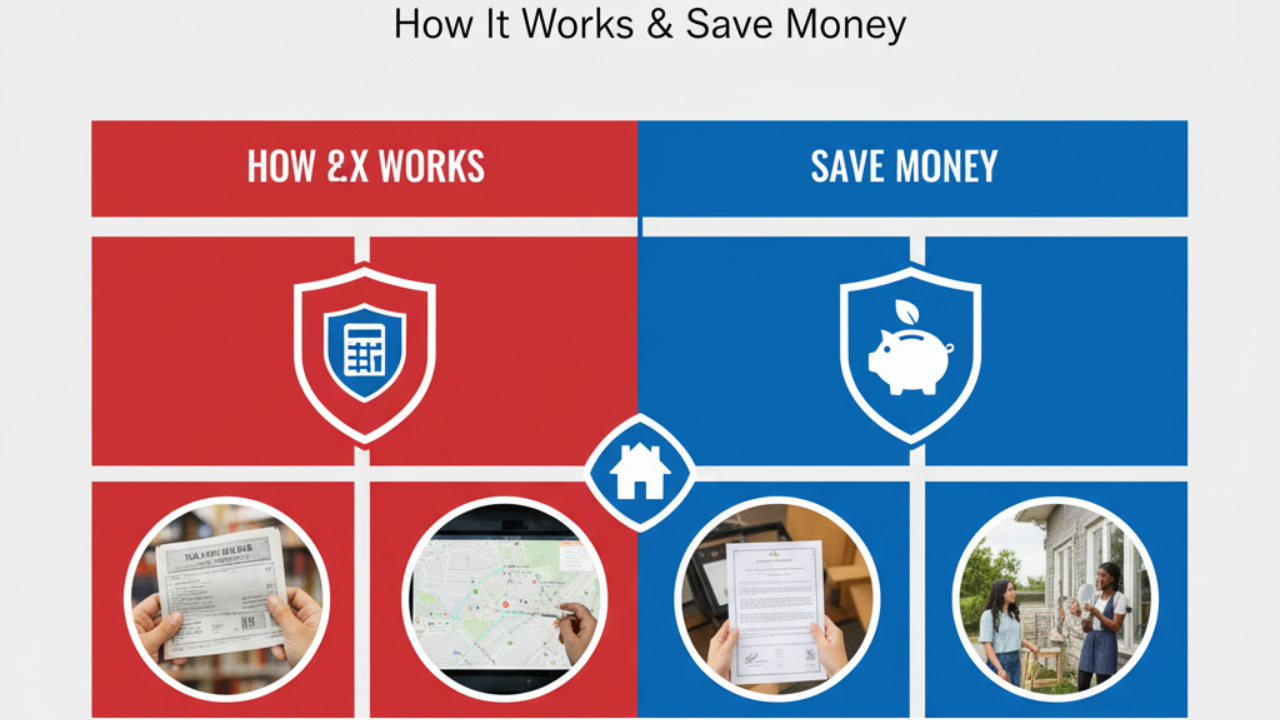
Understanding Property Tax in Quebec: How It Works & Ways to Save
Property tax is a crucial part of homeownership in Quebec. It funds essential municipal services such as roads, schools, public safety, parks, and waste management. For homeowners, investors, and newcomers, understanding how property tax works is essential to managing expenses effectively and planning finances.
While paying property tax is mandatory, there are strategies to reduce the amount owed and take advantage of exemptions or credits. This guide breaks down the process in detail.
How Property Tax Is Calculated in Quebec
Property tax in Quebec is determined by three main factors:
-
Assessed Value of the Property:
The municipal government determines the value of your property, including the land and any structures. Assessment typically occurs every few years and considers factors like size, location, age, and comparable property sales.
-
Municipal Tax Rate:
Each municipality sets its own property tax rate. Rates may vary depending on services offered and budget needs. Urban areas generally have higher rates than rural areas.
-
School Board Tax Rate:
In addition to municipal taxes, Quebec homeowners pay taxes to support local school boards. Rates vary based on property type and municipal regulations.
Formula Example:
Property Tax = Assessed Value × (Municipal Tax Rate + School Tax Rate)
Municipal Property Tax
Municipal property taxes fund local services such as:
-
Road maintenance and snow removal
-
Public parks and recreational facilities
-
Garbage collection and recycling programs
-
Police and fire services
Municipal tax rates differ between cities and towns. For example, Montreal’s property tax rate may differ significantly from that of Quebec City or smaller towns. Homeowners should check their municipal website for the latest rates and payment schedules.
School Taxes
All property owners in Quebec are required to pay school taxes, which fund the province’s public education system. The tax supports both French and English school boards, depending on the homeowner’s choice or eligibility.
-
Residential Property Tax: Calculated based on assessed value, with rates set annually by school boards.
-
Commercial Property Tax: Businesses also contribute to school taxes based on the property they own.
Payment Methods and Deadlines
Property taxes are typically billed once a year, though many municipalities allow quarterly payments. Payment methods include:
-
Online Payment: Through your municipal website or financial institutions.
-
Pre-Authorized Bank Withdrawals: Set up automatic payments to avoid late fees.
-
In-Person Payments: At municipal offices or partner banks.
Late payments may incur penalties or interest, so it is essential to stay on schedule.
Ways to Reduce Property Taxes in Quebec
There are several strategies homeowners can use to lower their property tax burden:
-
Review Your Assessment:
If you believe your property has been overvalued, you can appeal the assessment with your municipal evaluation office. A reduced assessment leads directly to lower taxes.
-
Exemptions and Credits:
Certain groups, such as seniors, veterans, and low-income homeowners, may qualify for exemptions or tax credits. Municipalities may also offer reductions for properties with heritage value or environmental features.
-
Energy-Efficient Improvements:
Installing energy-efficient systems, like solar panels or eco-friendly heating, may qualify for municipal rebates or tax reductions in some areas.
-
Primary Residence Deduction:
Ensure your property is properly classified as a primary residence, as investment or secondary properties may face higher rates.
Property Tax for Investors
Investors should understand that property tax is a significant factor in rental profitability. Key considerations include:
-
Rental Property Classification: Residential rental properties may have different rates than commercial properties.
-
Deductible Expenses: Property taxes can often be deducted from rental income when filing taxes, reducing overall taxable income.
-
Assessment Appeals: Just like homeowners, investors can appeal assessments if they believe valuations are too high.
Common Questions About Property Taxes
Q: How often is property assessed in Quebec?
Property assessments typically occur every three years, but municipalities may update values more frequently based on market conditions.
Q: Can I pay property taxes in installments?
Yes, most municipalities allow quarterly payments or pre-authorized withdrawals to make budgeting easier.
Q: What happens if I don’t pay property taxes?
Unpaid taxes may result in penalties, interest, or even legal action, including property liens or forced sales.
Final Thoughts
Property tax in Quebec is an unavoidable part of homeownership, but understanding how it works can save money and prevent surprises. Knowing your municipal and school tax rates, reviewing assessments, and exploring exemptions or credits are key steps toward financial planning.
Homeowners, newcomers, and investors alike benefit from staying informed about property taxes, ensuring compliance, and maximizing available savings. By taking a proactive approach, you can manage your property costs effectively while enjoying all the services Quebec municipalities provide.