Photo: AP
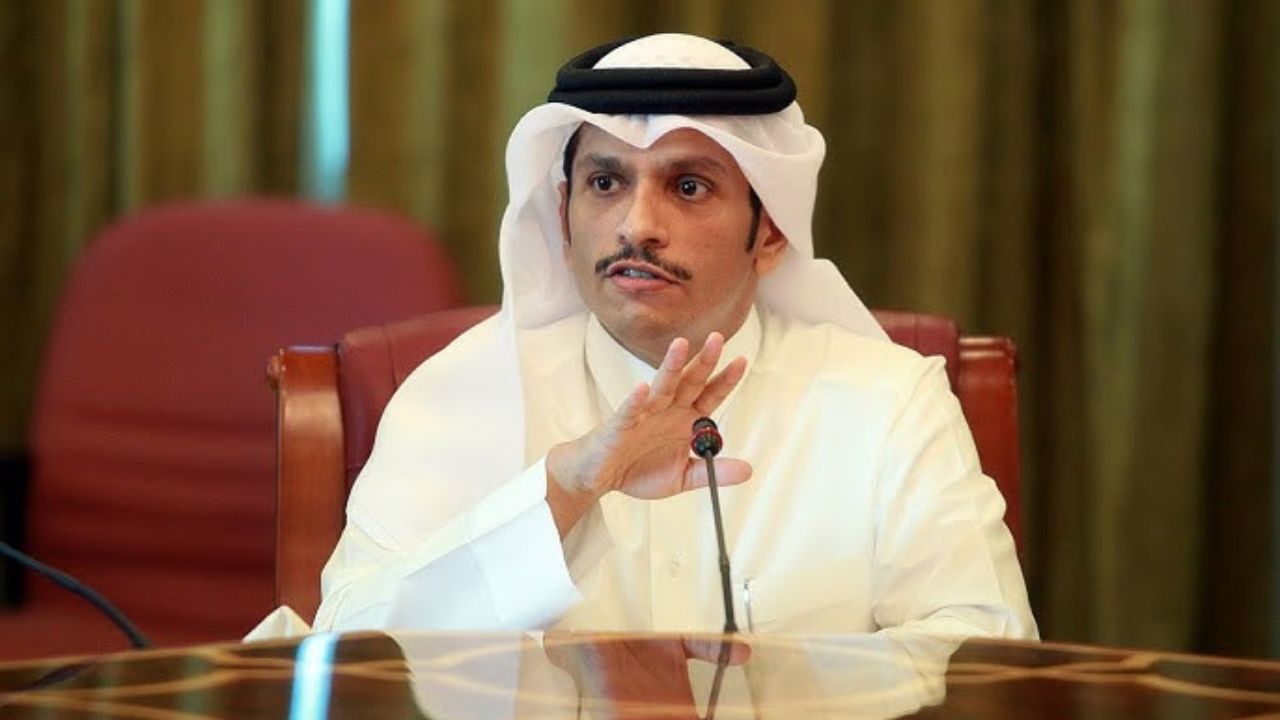
The Middle East is facing another dangerous crisis. On September 9, 2025, Israeli airstrikes hit the Qatari capital, Doha. The attack shocked the region and the world. Qatar’s Prime Minister, Sheikh Mohammed bin Abdulrahman bin Jassim Al Thani, quickly went before the media. He said the strike was not just an attack on Qatar, but a threat to the entire Gulf. He called for a “collective response” from Arab countries to stop Israel from spreading more chaos.
This event has triggered strong reactions. Leaders from across the Middle East and beyond have shown support for Qatar. Many nations condemned Israel’s actions. Analysts now warn that the Gulf region is at great risk if the violence continues.
The Attack on Doha
On Tuesday, September 9, the Israeli military carried out airstrikes in Doha. Israel said its target was Hamas leaders who were in Qatar at the time. Reports confirm that the leaders survived, but seven people were killed. Two of them were Qatari security officers. This marked the first time Israel had struck directly inside Qatar.
The strike happened as Hamas leaders were holding a meeting about a new Gaza ceasefire plan, reportedly suggested by U.S. President Donald Trump. Israel’s attack was seen by Qatar as an attempt to block peace talks.
Images from the city showed smoke rising above parts of Doha. Many residents were terrified, saying they never thought such violence would reach their country. For Qatar, this was not just an attack on foreign fighters, but an attack on its sovereignty.
Qatar’s Strong Response
The Qatari prime minister spoke to CNN a day after the strike. His words were sharp and clear. He said Israel’s actions endangered not only Qatar, but the entire Gulf region.
“There is a response that will happen from the region,” Sheikh Mohammed said. “The entire Gulf is at risk. Israel’s actions are leading us into chaos.”
He also accused Israeli Prime Minister Benjamin Netanyahu of killing any hope of peace in Gaza. By striking Hamas leaders during talks, Sheikh Mohammed argued, Israel showed it wanted war, not negotiations.
Qatar is now discussing next steps with other Arab states. Officials are even exploring legal options to bring Netanyahu before international courts for breaking international law.
Regional and Global Reactions
The attack quickly drew condemnation from world leaders.
France: President Emmanuel Macron called Qatar’s Emir to express support. “These strikes are unacceptable. I condemn them. France is committed to Qatar’s security,” he posted on social media.
Lebanon’s Hezbollah: Naim Kassem, the group’s deputy leader, warned that the strike on Doha was a signal to all Gulf nations. He said Israel wanted to threaten oil-rich states and force them into silence. He also linked the attack to Israel’s wider vision of creating a “Greater Israel” in the region.
Arab Leaders: Many leaders from the Middle East rushed to Doha or sent messages of solidarity. They stressed that Qatar’s security was tied to the stability of the Gulf as a whole.
International human rights groups also pointed to Israel’s growing pattern of strikes outside its borders. Qatar was the sixth country hit in just three days, and the seventh since the start of the year.
Israel’s Wider Military Campaign
The attack on Qatar was part of a larger wave of Israeli strikes across the Middle East. In the same 72-hour period, Israel hit targets in Yemen, killing 35 people. Reports also said Israeli warplanes struck parts of Syria and Lebanon.
Israel argues it is targeting armed groups linked to Hamas and Hezbollah. But critics say the strikes are violating the sovereignty of many nations and putting civilians at risk.
Inside Gaza, the violence continues. On the same day as the Doha strike, at least 72 Palestinians were killed in Israeli bombings. Since October 2023, more than 64,000 people have died in Gaza, according to Palestinian officials. Many of them were women and children.
The Bigger Picture
Experts say Israel’s attack on Qatar is a major escalation. For years, Qatar has been an important mediator in regional conflicts. It hosted Hamas leaders, negotiated prisoner swaps, and worked with the U.S. to push for ceasefire talks. By striking Doha, Israel not only attacked Hamas, but also undermined Qatar’s role as a peacemaker.
Some analysts believe Israel’s goal is to weaken Arab unity and scare Gulf countries. If Qatar feels isolated, others may fear standing up to Israel. But the strong regional support for Qatar shows that this strategy may backfire.
There are also fears that oil and gas markets could be affected if tensions spread further. Qatar is one of the world’s biggest energy suppliers. Any instability there would shake the global economy.
Qatar’s Message to the World
Qatar’s prime minister stressed that this moment was about more than just his country. “This is about the future of the region,” he said. He added that Netanyahu’s actions destroyed any chance for Israeli hostages in Gaza to be freed through talks.
By going public with such strong statements, Qatar is trying to build pressure on Israel both regionally and internationally. The country wants the world to see the attack not as an isolated strike, but as part of a dangerous pattern that could destabilize the Middle East.
The Israeli strike on Doha marks a turning point. It is no longer just Gaza or Lebanon facing Israel’s attacks. Now, the violence has reached the heart of the Gulf. Qatar’s call for a collective response shows that Arab nations may be preparing to act together.
The world is watching closely. Will this incident unite the region against Israel’s military campaign? Or will it push the Middle East further into chaos?
One thing is clear: the risks are higher than ever. As Qatar’s leaders said, the safety of the entire Gulf is now at stake.