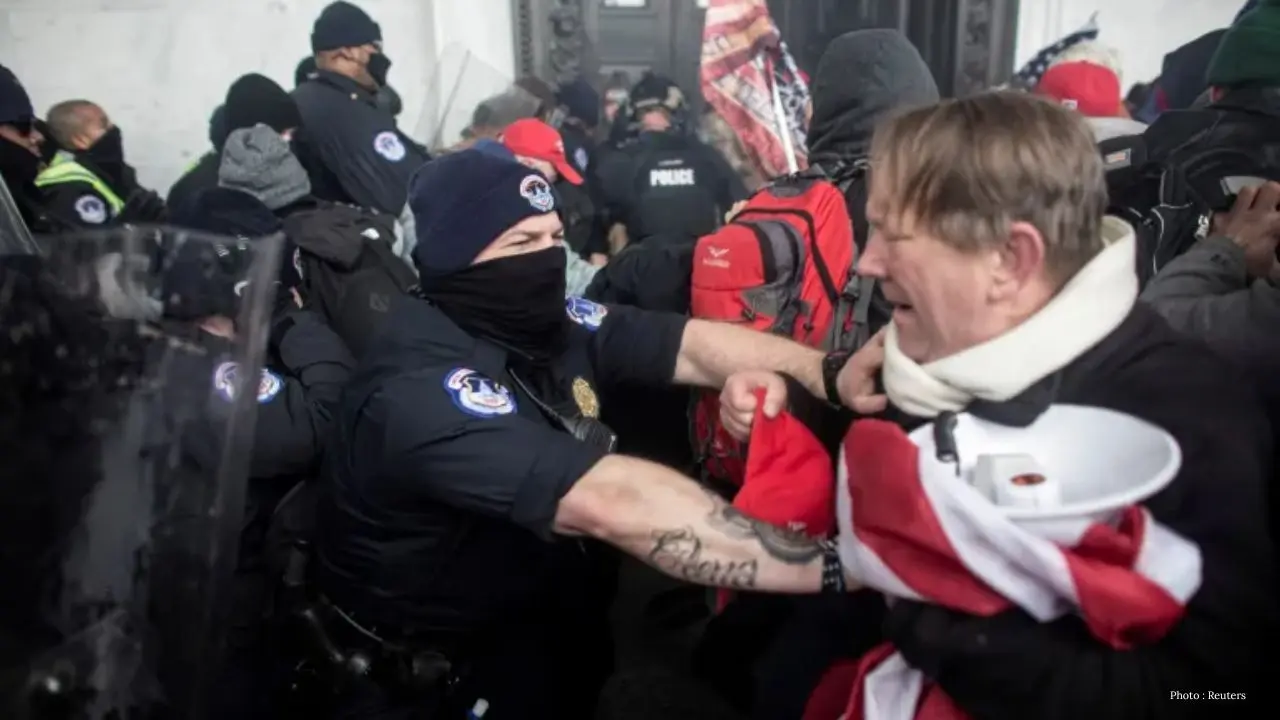
Hundreds of pro-Palestinian protesters, many of them students, gathered in cities across the United Kingdom on Tuesday to mark the second anniversary of the Hamas-led attacks on Israel. The demonstrations went ahead despite Prime Minister Keir Starmer’s plea to call them off, describing such marches on the October 7 anniversary as “un-British.”
At King’s College London, Palestinian flags filled the campus as students and activists marched with chants demanding a free Palestine and condemning Israel as a terrorist state. Several dozen police officers were present but largely observed from a distance as students voiced anger over Gaza’s devastation.
“I think all these people have plenty of reasons to protest. Telling someone to not fight for what they believe in is silly,” said Vincent Ge, a second-year computer science student. He argued that labeling the protest “un-British” made little sense in a multicultural nation.
Political Flashpoint After Manchester Attack
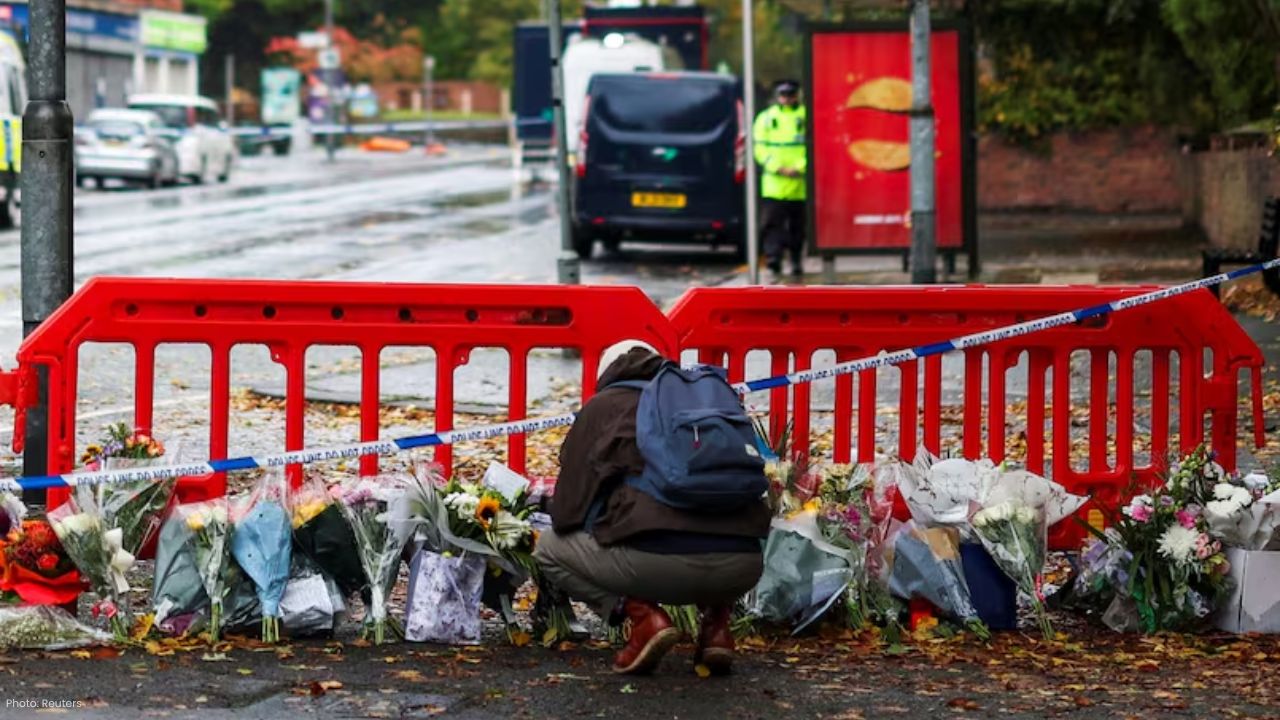
The rallies came just days after a deadly terror attack at a Manchester synagogue on Yom Kippur, which left two Jewish men dead. Police identified the suspect as 35-year-old Jihad Al-Shamie, a British man of Syrian descent, who was shot dead at the scene after ramming a car into worshippers and carrying out a stabbing rampage.
The attack has reignited fears of rising antisemitism in Britain and sharpened criticism of the Labour government’s handling of security. At a vigil in Manchester on Friday, Deputy Prime Minister Angela Rayner faced jeers, with some mourners shouting that the government had “allowed this to happen.”
According to the Community Security Trust, a U.K. charity monitoring antisemitism, over 1,500 antisemitic incidents were recorded in just the first half of 2025. In response, the government has promised increased security at synagogues and hinted at new laws to give police broader powers to curb protests linked to disorder.
Government Calls for Pause on Gaza Protests
Home Secretary Shabana Mahmood urged pro-Palestinian demonstrators to “step back” following the Manchester attack, saying continued protests “were un-British” and insensitive to the grieving Jewish community. Authorities had requested that a major London rally on October 5 be canceled, but it went ahead in Trafalgar Square, where police arrested nearly 500 people for supporting Palestine Action, a group banned earlier this year as a terrorist organization.
In a commentary published Monday, Prime Minister Starmer accused organizers of showing “so little respect for others” by holding rallies on October 7. He said antisemitism had become “day-to-day accepted” in parts of British society and condemned the protests as undermining national unity.
Divided Voices on British Identity
The government’s rhetoric has drawn criticism from academics, activists, and some Jewish voices. Colin Davis, psychology professor at the University of Bristol, called it “irresponsible” to describe protests as “un-British.” He argued that protest is a fundamental part of British democratic tradition.
Marc Etkind, 62, who joined the London rally carrying a sign declaring he was the son of a Holocaust survivor, rejected Starmer’s framing. “I do not share that logic. I feel for people who die on any side in any war. What we need to do is stop wars,” he said, insisting it was “very British” to speak out against Gaza’s devastation.
Rising Polarization and Shifting Public Opinion
Public opinion in Britain is increasingly divided over the war in Gaza. A September survey by YouGov found that around one-third of Britons expressed no sympathy at all with Israel, two years into the conflict.
For pro-Palestinian students, Tuesday’s rallies symbolized solidarity with Gaza, where local health officials say more than 67,000 Palestinians have been killed since the war began, with entire neighborhoods reduced to rubble.
For Jewish communities, however, the marches have come to represent a surge in hostility. Advocacy groups such as StandWithUs UK have warned that the protests have allowed “hatred to spill out” into the streets, and are pressing the government to arrest those supporting groups that call for Israel’s destruction.
What Lies Ahead
As Britain grapples with both a surge in antisemitic incidents and growing anger over Gaza, the government faces a delicate balancing act—defending the right to protest while reassuring Jewish communities of their safety. With new security measures promised and protests unlikely to subside, the debate over what it means to be “British” in a time of international conflict is set to intensify.