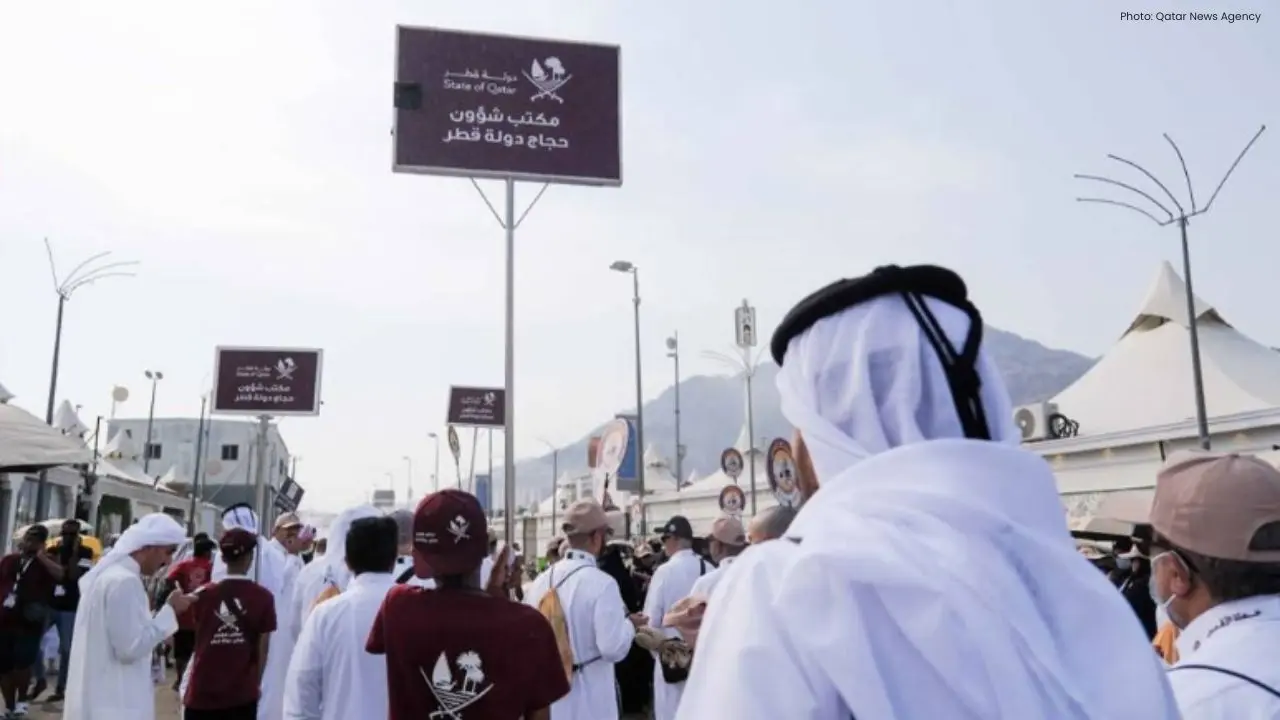
Qatari pilgrims have lauded the exemplary services offered by the Hajj mission during this year's pilgrimage, marking it as a serene and satisfying spiritual journey from their departure to their return.
These pilgrims noted that the mission facilitated an integrated, well-organized system that allowed them to carry out their Hajj rituals with ease. They appreciated the meticulous planning, advanced amenities, and ongoing assistance provided throughout their travels between holy sites.
Appreciation was expressed for the effective collaboration between the Qatari Hajj mission and the local Hajj operators, which ensured the comfort, safety, and care of all pilgrims during the pilgrimage.
The comprehensive operational plan by the mission addressed every phase of the journey: from welcoming pilgrims to managing groups, transportation, housing, medical services, and religious instruction. These arrangements significantly enhanced the ease of performing religious rituals.
A robust support system involving field, logistical, medical, communications, and technical personnel was established by the Qatari Hajj mission. Services commenced at the airport, where officials managed transportation and accommodation while facilitating movements to and from holy sites in cooperation with Saudi authorities.
Travel between Mina, Arafat, and Muzdalifah was made more efficient through the Al Mashaaer Al Mugaddassah Metro line, aimed at alleviating crowd congestion and enhancing movement during peak times.
Improvements were also noted at the accommodations for Qatari pilgrims in Arafat, featuring air-conditioned tents with modern facilities, spacious central gathering areas, cooling misting fans along walkways, buffet dining options, and updated sanitation facilities.
Pilgrims regarded the camps as some of the finest and most organized accommodations available at the holy sites.
The mission's operational strategies remained in effect around the clock, managed by teams specializing in religious guidance, medical aid, logistical support, and other areas to ensure a safe pilgrimage experience.
Medical personnel accompanied pilgrims during their transitions between the sacred sites, providing emergency medical support, awareness campaigns, and guidance.
A notable introduction this year was the enhanced "HT Rescue Jacket" worn by paramedics helping Qatari pilgrims. This jacket includes integrated medical equipment designed for swift first aid and emergency actions in busy areas during rituals.
To ensure effective communication with pilgrims, the mission provided a 24-hour toll-free hotline for inquiries and concerns, allowing for more responsive service.
The Qatari Hajj mission acknowledged the contributions of Saudi Arabia's leadership and the Ministry of Hajj and Umrah for their advanced crowd management strategies and organizational support throughout the pilgrimage.
According to the mission, these efforts enabled pilgrims to perform their rituals in a secure, efficient atmosphere.
The mission underscored that the comfort and safety of Qatari pilgrims is among its utmost priorities. Ongoing improvements in Hajj services are aligned with Qatar National Vision 2030 and the Ministry of Endowments and Islamic Affairs' strategy for 2025-2030, emphasizing enhanced service quality, operational effectiveness, and collaboration across relevant agencies.