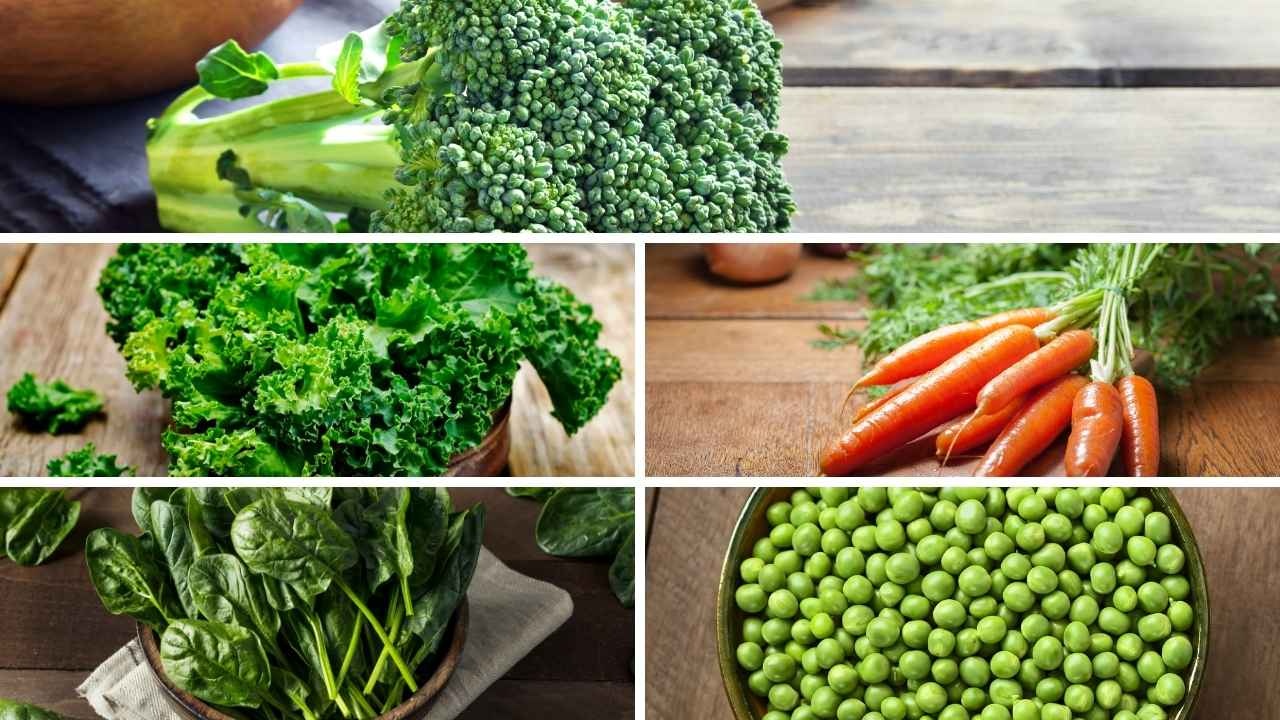
Power Greens: The Most Nourishing Vegetables to Add to Your Plate
Vegetables are nature’s gentle healers — they support your energy, protect the heart, and sharpen the mind. While every veggie offers benefits, a few stand out for their exceptional nutrient profiles. These are often called “power greens.” They deliver concentrated vitamins, minerals and phytochemicals even in modest portions.
In the piece below, we explore the top power greens, explain why they matter for everyday health, and share easy ideas to include them in meals. Eating more vegetables isn’t just about quantity — it’s about choosing the kinds that fuel and protect you.
Why Vegetables Deserve a Bigger Role
Making vegetables a daily habit is one of the simplest ways to support long-term wellbeing. Health professionals agree that a vegetable-rich diet can help:
-
Bring down blood pressure
-
Support cardiovascular health and lower heart disease risk
-
Stabilize blood sugar
-
Improve gut function
-
Offer protection against some cancers
Vegetables are loaded with fiber, potassium, folate (Vitamin B9), Vitamin A and Vitamin C — nutrients that help you stay active, recover from illness and thrive.
Certain vegetables provide more vitamins and minerals for fewer calories. These nutrient-dense choices are the true power greens to make part of your daily menu.
Top Power Greens to Welcome into Your Kitchen
1. Spinach — A Gentle Champion
Spinach ranks high among leafy greens. One cup of raw spinach supplies a solid dose of Vitamin K, Vitamin A, iron and magnesium while remaining very low in calories.
How it helps:
-
Supports strong bones and muscles
-
Promotes healthy vision
-
Strengthens immune defenses
-
Contributes to heart health
💡 Tip: Stir spinach into eggs, blend it into smoothies, or toss it lightly steamed into stir-fries to improve nutrient uptake.
2. Kale — A Leafy Powerhouse
Kale’s superfood reputation comes from its dense mix of vitamins and antioxidants. It offers Vitamin A, C and K, along with calcium and iron in generous amounts.
How it helps:
Other leafy options like Swiss chard and beet greens deliver similar benefits and are excellent alternatives to kale.
3. Broccoli — A Defender Against Disease
Broccoli may seem ordinary, but it’s rich in Vitamin C, Vitamin K and fiber. As a cruciferous vegetable (along with cauliflower and Brussels sprouts), it contains compounds linked to disease prevention.
How it helps:
-
May lower the chance of some cancers
-
Supports healthy digestion
-
Boosts immune function
-
Can help reduce signs of aging
💡 Tip: Lightly steam or roast broccoli to keep texture and nutrients; avoid overboiling to preserve Vitamin C.
4. Carrots — Bright and Protective
Carrots are known for their vivid orange hue, which comes from beta-carotene. Your body converts this into Vitamin A — essential for clear vision and healthy skin.
How it helps:
Carrots are enjoyable raw or cooked—great as snacks, tossed into salads, or simmered in soups and stews for sweetness and depth.
5. Green Peas — Small but Full of Goodness
Green peas may be tiny, but they offer a surprising amount of nutrition. They’re rich in protein, fiber and iron, which makes them a solid choice for plant-based diets.
How it helps:
Stir peas into rice dishes, pasta, or curries — they pair well with many flavors.
What Makes a Vegetable Truly Beneficial?
Vegetables don’t all offer the same advantages, but the healthiest ones share traits:
-
High nutrient density: They pack many vitamins and minerals into relatively few calories.
-
Antioxidant rich: They shield cells from damage and slow aging.
-
Easy to add: They can be blended into smoothies, tossed into salads, or cooked into meals.
-
Support digestion: Their fiber helps your gut and keeps cholesterol in check.
Research highlights vegetables such as watercress, Chinese cabbage, kale, and spinach as especially nutrient-dense on a global scale.
Simple Ways to Bring Power Greens Into Daily Meals
Eating well doesn’t require culinary expertise. Try these approachable ideas:
-
Morning: Blend spinach or kale into smoothies or fold into scrambled eggs.
-
Lunch: Add broccoli or peas to grain bowls, salads, or soups.
-
Dinner: Mix carrots and leafy greens into curries or stir-fries.
-
Snacks: Crunch on carrot or cucumber sticks with hummus.
💡 Remember: Gentle cooking methods like steaming or sautéing often make nutrients easier to absorb than always eating vegetables raw.
Why Relying on One Vegetable Isn’t Enough
It’s tempting to stick with a favorite like spinach, but no single vegetable covers every nutrient your body needs. Aim for a mix — leafy greens, roots and cruciferous vegetables together.
For example:
-
Carrots supply Vitamin A
-
Spinach gives iron and magnesium
-
Broccoli provides fiber and Vitamin C
-
Peas deliver protein and energy
Combined, these vegetables create a balanced, nutrient-rich approach to daily eating.
Practical Tips for Everyday Wellbeing
-
Don’t overcook: High heat can destroy vitamins. Cook until just tender.
-
Choose colorful produce: Different hues bring varied nutrients.
-
Buy fresh and seasonal: Local, seasonal vegetables often taste better and retain more nutrition.
-
Mind portions: Try to make vegetables fill half your plate.
-
Use light oil: Minimal oil preserves nutrients and reduces extra fat.
The healthiest choices are often the most accessible ones — regular servings of spinach, kale, broccoli, carrots and peas deliver wide-ranging benefits.
The key is variety and consistency: try new recipes, mix different vegetables, and let veggies take center stage rather than playing second fiddle on your plate.
Do this regularly and you’ll likely notice more energy, better immunity, clearer skin, and a steadier sense of health.
Quick Summary
| Vegetable |
Main Nutrients |
Top Benefits |
| Spinach |
Iron, Vitamin A, K |
Stronger bones, improved vision |
| Kale |
Calcium, Vitamin C |
Detox support, healthier skin |
| Broccoli |
Fiber, Vitamin C |
Better digestion, immune support |
| Carrots |
Beta-carotene |
Vision and skin health |
| Green Peas |
Protein, Iron |
Energy, muscle repair |
Disclaimer
This article is intended for informational and educational purposes only. Content is based on reputable nutrition and medical sources. The author does not claim ownership of any scientific studies, images, or trademarks mentioned. This piece is not a substitute for professional medical advice; consult a qualified doctor or registered dietitian before making major changes to your diet or lifestyle.