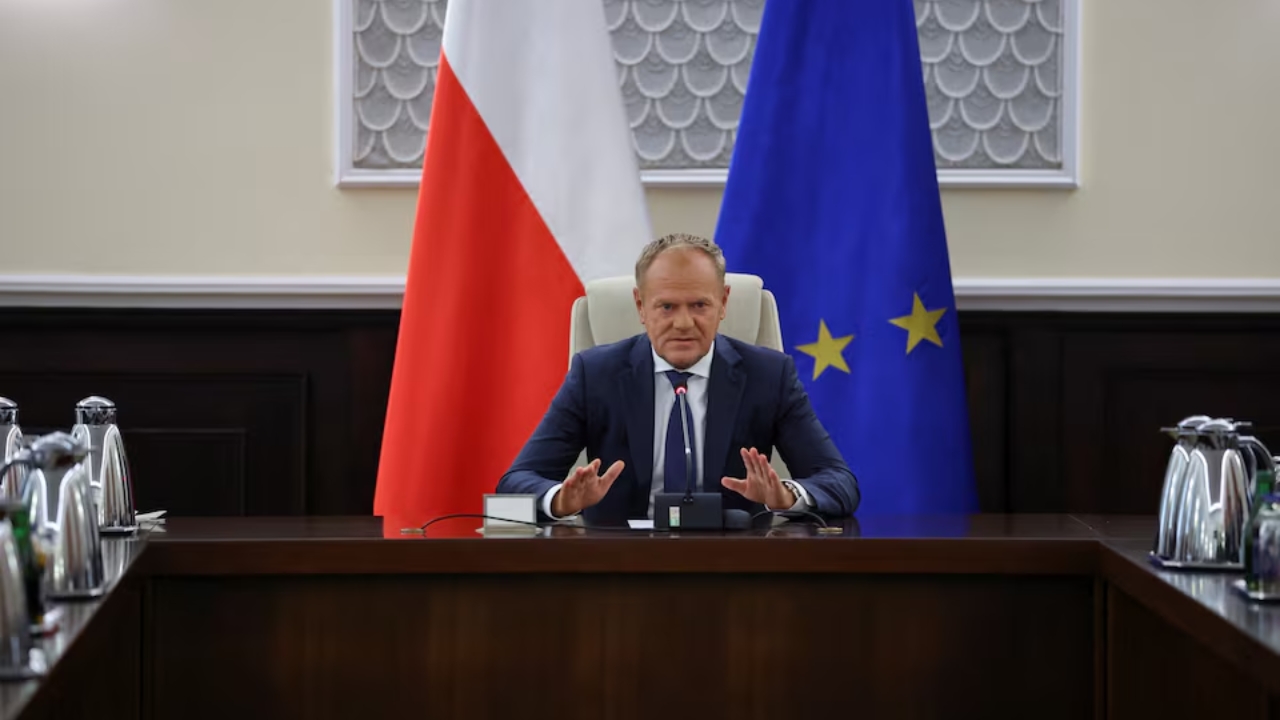
Photo: Reuters
On September 10, 2025, Poland, a member of NATO, took strong action after detecting Russian drones entering its airspace during an attack on western Ukraine. The Polish military successfully shot down several drones, marking a serious escalation in the ongoing conflict between Russia and Ukraine.
This event also represents the first time a NATO country has been directly involved in intercepting Russian attacks, raising concerns about regional security and the potential for broader military conflicts.
Details of the Incident
According to the Polish Ministry of National Defense, more than ten drone-like objects were detected moving into Polish airspace. Some of these drones were considered a direct threat to civilians and military installations.
The Polish armed forces acted immediately, shooting down those that posed risks. Local authorities are still searching for debris and evaluating any potential damage from the drone incursion.
The drones were primarily detected over Podlaskie, Mazowieckie, and Lublin, regions in eastern and central Poland that border Ukraine. Citizens in these areas were advised to remain indoors as a safety precaution while authorities assessed the situation. Schools, public offices, and certain transport services were temporarily affected.
Why This Is Significant
This is the first time a NATO member country has actively engaged with Russian drones in the current conflict. Until now, most military activities had been limited to Ukraine’s territory. Poland’s actions signify that the war could spill over into NATO countries, which may change the international response and prompt more direct involvement from alliance members.
Experts warn that if incidents like this continue, NATO could be forced to defend its territory more directly, potentially escalating tensions between Russia and member states. This development has caught the attention of the international community, including European Union officials and the United States.
Statements from Leaders
Ukrainian President Volodymyr Zelensky addressed the incident, confirming that some drones were aimed at Polish territory during the Russian assault. He described the incursions as “an extremely dangerous precedent for Europe,” highlighting the risk of the conflict spreading beyond Ukraine’s borders. Zelensky called for international cooperation to prevent further escalation and protect neighboring countries.
In Poland, Prime Minister Mateusz Morawiecki emphasized the country’s commitment to NATO agreements and protecting national sovereignty. He reassured citizens that the government was taking all necessary measures to ensure their safety and that Poland would continue to monitor its airspace carefully.
In the United States, President Donald Trump and several lawmakers expressed concern about the drone incursion. Some officials suggested that the attack was a test of NATO’s strength and that the U.S. might need to increase support for Poland and Ukraine in response to the threats.
Airport and Travel Disruptions
The drone activity caused disruptions in civilian life, including temporary closures of airports. Chopin Airport in Warsaw was temporarily shut down to prevent any incidents, and flights were delayed. Although the airport later reopened, delays and rescheduling continued for several hours.
Similarly, Lublin Airport remained closed for precautionary reasons while authorities assessed the security risk. These actions reflect the seriousness with which Poland treats violations of its airspace and the potential danger of drones targeting civilian infrastructure.
NATO’s Role and Response
Poland is a member of NATO, the North Atlantic Treaty Organization, which is a military alliance that includes the United States, Canada, and most European countries. NATO has a collective defense agreement, which means an attack on one member is considered an attack on all.
The drone incursions have raised questions about NATO’s preparedness and response to threats near its borders. Military analysts suggest that NATO may increase surveillance and air defense activities along the eastern frontiers to prevent similar events. Poland has reportedly already strengthened radar monitoring and deployed additional defense systems to track any unauthorized aircraft or drones entering its territory.
Russia’s Position
Russia has not publicly admitted to sending drones into Polish airspace. However, officials in Moscow have previously justified drone attacks inside Ukraine as part of military operations against Ukrainian targets. Experts believe that the drones may have unintentionally crossed into Polish territory, or they could be a deliberate demonstration of military reach, testing NATO’s resolve.
Russian military drills in neighboring Belarus have also contributed to rising concerns in Poland and other NATO countries. These exercises involve thousands of troops, air force maneuvers, and missile systems, which could increase the risk of accidental or intentional incursions into NATO member territories.
- Impact on Regional Security
- The drone incursion has raised alarms about regional security. Experts warn that if these incidents continue, they could:
- Increase tension between NATO and Russia
- Lead to a higher risk of accidental conflict
- Force NATO countries to deploy more military resources along their eastern borders
- Affect civilian safety in border regions
Residents in eastern Poland have been asked to remain vigilant and follow government safety advice. Public authorities are also reviewing emergency response protocols in case future incursions occur.
International Reactions
Global reactions to the drone attack have been mixed. European Union officials have expressed support for Poland, emphasizing the need for NATO solidarity and stronger measures to protect airspace.
Meanwhile, some analysts suggest that Russia may be trying to pressure NATO countries indirectly by demonstrating that its drones can reach allied territories. This could be an attempt to influence military or political decisions in Europe.
International organizations, including the United Nations, have called for restraint and diplomacy to avoid further escalation. They emphasized that protecting civilian populations should remain the top priority.
- Poland’s Defensive Measures
- Following the incident, Poland has enhanced its air defense systems. This includes:
- Deploying additional anti-drone technology
- Increasing radar monitoring along the border
- Coordinating with NATO allies to strengthen airspace security
- Conducting military drills to test response times and efficiency
- Polish officials have also promised transparent communication with the public to reduce panic and ensure residents understand the safety measures in place.
Lessons and Future Outlook
- The event highlights several key lessons for NATO and neighboring countries:
- Airspace security is critical, especially in regions close to conflict zones.
- Coordination with allies is essential for monitoring threats and responding quickly.
- Civilian infrastructure can be at risk during conflicts, requiring emergency preparedness.
- Diplomatic engagement is necessary to prevent conflicts from spilling into NATO territory.
- Military analysts predict that Poland and NATO will continue to tighten defenses while pursuing diplomatic channels to prevent further drone incursions.
The recent drone incursion into Poland’s airspace marks a serious escalation in the Russia-Ukraine conflict. By shooting down the drones, Poland demonstrated its commitment to national security and NATO obligations.
While no injuries or major damages were reported, the event serves as a warning of potential risks for NATO countries near conflict zones. The international community continues to monitor the situation closely, emphasizing the importance of diplomacy, surveillance, and military preparedness.
For residents in Poland, the message is clear: authorities are vigilant, airspace is being protected, and safety measures are in place. For NATO, the incident underscores the need for strengthened cooperation to ensure the security of all member nations.