In a proactive diplomatic move, the Philippines convened a special meeting aimed at revitalizing peace efforts in Myanmar, engaging key political factions from the conflict-ridden nation. This initiative aligns with the Philippines' role as the current chair of the Association of Southeast Asian Nations (ASEAN), occurring amid ongoing violence with no resolution in sight.
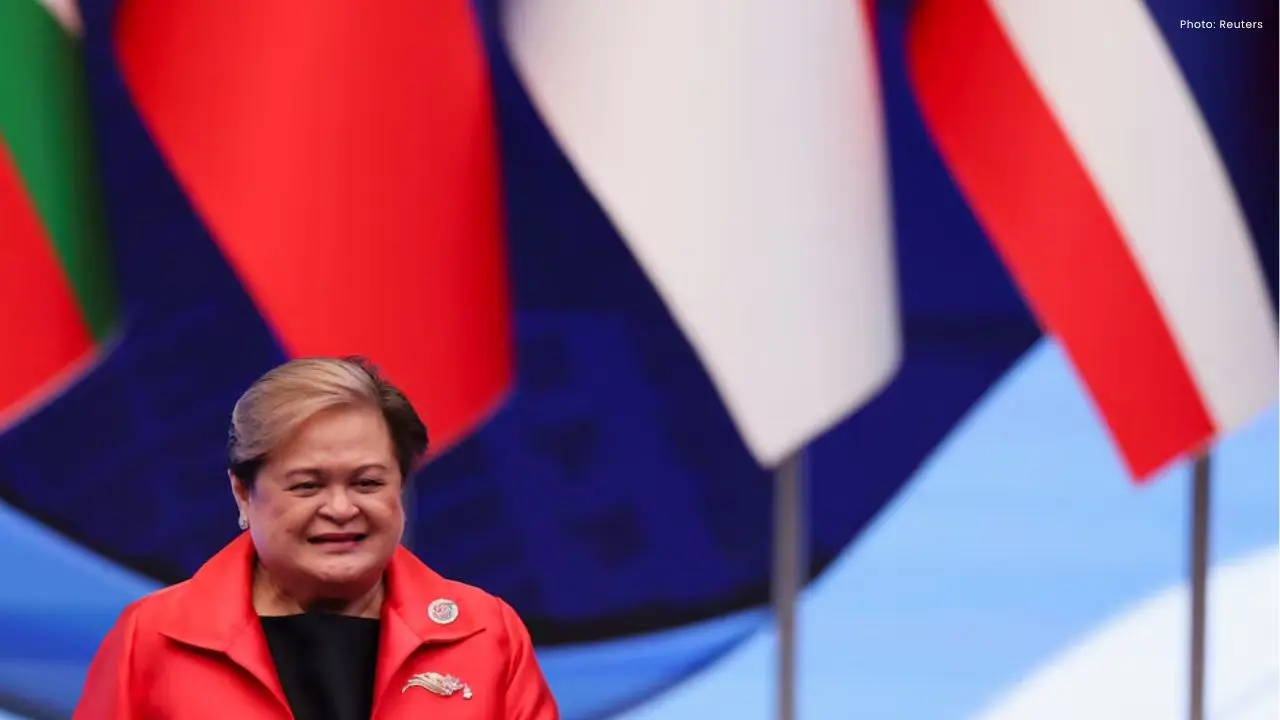
The strategic meeting, held in Tagaytay, included significant political representatives from Myanmar. Philippine officials expressed their intent to foster candid discussions focused on de-escalating violence, enhancing humanitarian aid accessibility, and reigniting meaningful political conversations. The discussions were spearheaded by Philippine Foreign Affairs Secretary Ma. Theresa Lazaro, who also serves as ASEAN’s designated envoy for the Myanmar situation.
Lazaro emphasized the need for all participants to voice their perspectives openly and constructively regarding the route forward concerning the ASEAN Five-Point Consensus—a peace initiative established in 2021 following Myanmar's military coup. This framework calls for an immediate cessation of violence, inclusive dialogue, humanitarian support, and ongoing interaction from an ASEAN representative. Despite these objectives, the peace plan has struggled for traction, with conflicts persisting across various regions of Myanmar.
Previously, in January, Lazaro engaged in discussions with Myanmar's military leader, Min Aung Hlaing, describing the encounter as beneficial. However, the military regime was noticeably absent from the Tagaytay talks, a decision made by the attending groups who requested anonymity.
Since the coup in 2021, Myanmar has endured significant turmoil, evolving from protests into an extensive civil conflict involving the military and numerous armed factions. The humanitarian toll has been catastrophic, with thousands deceased and millions displaced. Recent estimates by the United Nations indicate around 3.6 million individuals are currently uprooted, positioning Myanmar as a critical humanitarian concern in Asia.
ASEAN's endeavors to mediate the crisis have encountered various hurdles. Although there have been minor improvements in humanitarian efforts, substantial advancements towards enduring peace remain elusive. Malaysia, which previously held the ASEAN chair, also sought to mediate between warring parties and harbored hopes for eventual productive dialogue. Now, the Philippines is resolutely committed to furthering these initiatives as it begins its term in leadership.
The complexities of the situation are compounded by Myanmar's ongoing partial general elections. Initial voting rounds have demonstrated a clear victory for a party associated with the military, with the final round approaching. Although the military asserts that these elections will foster stability, low voter turnout and criticisms indicate that the process lacks fairness and is ultimately designed to maintain military dominance. Notably, ASEAN has refrained from dispatching election monitors, drawing international criticism regarding the election's legitimacy.
Positive feedback has emerged from some of the rebel factions present at the Tagaytay meeting. An ethnic minority group acknowledged the discussions' promise and commended the Philippines for their early engagement with diverse parties. The group expressed cautious optimism that sustained dialogue may enhance the prevailing conditions.
While significant hurdles remain, the Philippines’ initiative signifies a revitalized ASEAN endeavor to address Myanmar’s ongoing crisis. The future success of these conversations will hinge on continued engagement, trust-building, and a sincere dedication from all involved parties to aspire toward peace.