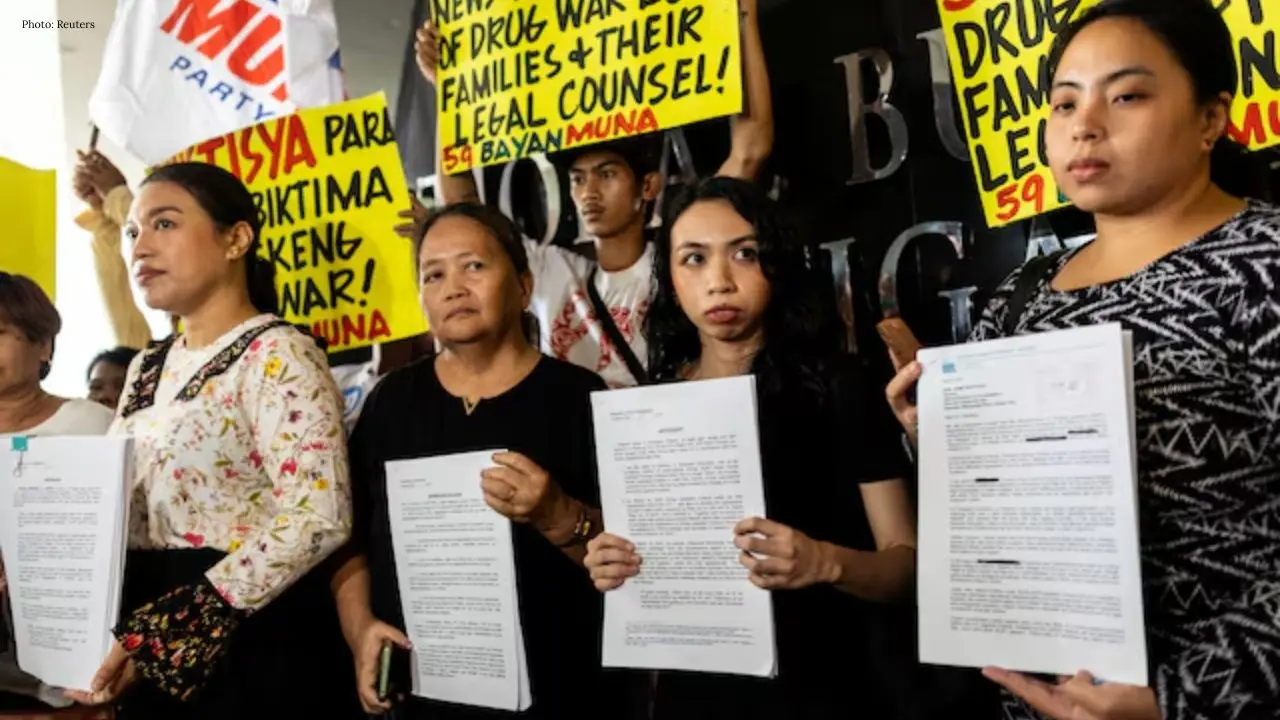
The Philippine government has established an independent commission to investigate possible extrajudicial killings associated with former President Rodrigo Duterte’s contentious anti-drug campaign. This civilian-led initiative aims to uncover abuses, collect evidence, and promote legal action against those responsible for unlawful deaths.
Launched in Manila, the commission will operate under the guidance of former International Criminal Court judge Raul Pangalangan. Officials have underscored that the panel is designed to work autonomously from the government, striving to create a trustworthy public record concerning violence related to anti-drug operations conducted between 2016 and 2022.
During Duterte’s term, police reported approximately 6,200 deaths of drug suspects resisting arrest in anti-drug operations. However, human rights advocates argue that the real death toll could be much higher, particularly in impoverished urban areas where such killings became common.
Duterte, who is currently facing charges at the International Criminal Court in The Hague for alleged crimes against humanity associated with the anti-drug campaign, has continually denied these allegations, maintaining that his policies were essential to combat crime and drug trafficking.
The newly created commission is set to conduct public hearings featuring families of victims, witnesses, former law enforcement officers, and specialists. It plans to gather testimonies, authenticate evidence, and maintain records related to alleged human rights violations throughout the anti-drug operations.
The commission comprises experts in forensic science, trauma studies, and human rights investigations. Support is also coming from religious leaders and civil society organizations. Cardinal Pablo Virgilio David, a commission adviser, emphasized the importance of ensuring the stories of victims are acknowledged and preserved for future accountability.
The commission’s formation coincides with an ongoing international search for former police chief Ronald dela Rosa, a close Duterte ally, who is wanted by the ICC for alleged crimes tied to the anti-drug initiatives. Dela Rosa has denied his involvement in any unlawful killings, dismissing the accusations against him.
Activists have long claimed that police staged crime scenes, executed systematic killings, and concealed evidence during anti-narcotics operations. Philippine authorities, however, have refuted these claims, asserting that many of the deaths were the result of gang confrontations or vigilante actions beyond official police operations.
The commission has pledged to release public reports every six months and provide evidence-led recommendations to entities like the Department of Justice, the National Bureau of Investigation, and law enforcement bodies. Officials highlighted that the aim is not just justice but also institutional reforms to avert future violence.