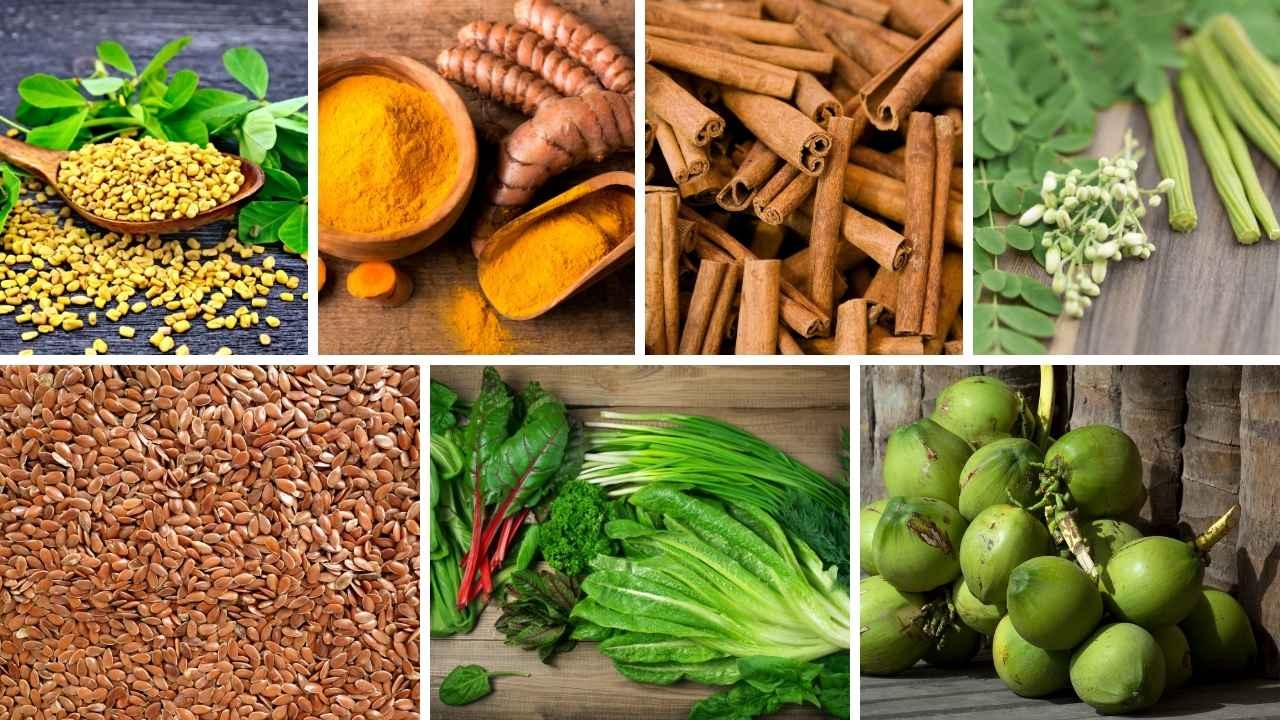
Transform Your PCOS: 7 Indian Foods to Balance Hormones and Aid Weight Loss
Polycystic Ovary Syndrome (PCOS) is a prevalent condition impacting numerous women globally. It creates hormonal imbalances that might result in weight gain, irregular menstrual cycles, acne, and excessive hair growth. While there isn't a definitive cure for PCOS, dietary adjustments can significantly help in managing its symptoms. Selecting appropriate foods can assist in hormone regulation, enhance insulin sensitivity, and facilitate weight loss. Indian cuisine, renowned for its rich spices, herbs, and nutrient-packed ingredients, provides ample opportunities to effectively manage PCOS.
This article delves into seven Indian foods that play a crucial role in managing PCOS by aiding in hormone regulation, minimizing inflammation, optimizing insulin levels, and encouraging weight loss.
1. Fenugreek (Methi) Seeds
Fenugreek, a staple herb in Indian culinary practices and traditional remedies, boasts numerous health advantages—especially in blood sugar regulation and enhancing insulin sensitivity, both vital for women facing PCOS challenges.
Why it’s beneficial for PCOS:
-
Fenugreek seeds can contribute to lower insulin levels and stabilize blood sugar, crucial for women suffering from insulin resistance linked to PCOS.
-
They also assist in hormone balance and contain anti-inflammatory properties, alleviating discomfort associated with hormonal fluctuations.
Usage suggestions:
-
Soak a tablespoon of fenugreek seeds overnight and consume them on an empty stomach the following morning.
-
Alternatively, integrate ground fenugreek seeds into smoothies, curries, or salads.
2. Flaxseeds (Alsi)
Flaxseeds are small yet overflowing with healthy omega-3 fatty acids, fiber, and lignans. These vital nutrients can greatly contribute to hormone balance, inflammation reduction, and overall wellness.
Why it’s beneficial for PCOS:
-
Flaxseeds can help stabilize estrogen levels and mitigate excessive androgen (male hormone), often responsible for symptoms like acne and increased body hair in women with PCOS.
-
The fiber content promotes digestion, aids weight management, and prevents bloating.
Usage suggestions:
-
Incorporate ground flaxseeds into your smoothies, yogurt, oatmeal, or sprinkle them atop salads.
-
They can also be utilized in baking to enhance nutritional value.
3. Turmeric (Haldi)
Turmeric is a dynamic spice featured in various Indian dishes. It contains curcumin, a compound that combats inflammation—an issue prevalent for women with PCOS.
Why it’s beneficial for PCOS:
-
Turmeric can assist in reducing blood sugar levels, increasing insulin sensitivity, and balancing hormones.
-
Its anti-inflammatory effects can alleviate bloating, discomfort, and other PCOS-related symptoms.
Usage suggestions:
-
Enjoy a glass of warm water with a pinch of turmeric (golden milk) before sleep, or add it to curries, soups, or teas for enhanced flavor and health benefits.
4. Leafy Greens (Palak, Methi, and Other Greens)
Leafy greens, such as spinach (palak) and fenugreek leaves (methi), are brimming with vitamins, minerals, and fiber. They are instrumental in regulating blood sugar levels, combatting inflammation, and are low in calories, making them ideal for PCOS management.
Why it’s beneficial for PCOS:
-
Leafy greens provide essential fiber that aids digestion, alleviates bloating, and stabilizes blood sugar.
-
They are packed with antioxidants that reduce inflammation and assist in hormone balancing.
Usage suggestions:
-
Incorporate leafy greens into soups, curries, salads, or blend them into smoothies for a nutrient-rich meal.
5. Cinnamon (Dalchini)
Cinnamon is a favored spice in Indian cuisine, cherished for its sweet and spicy flavor profile. It’s also an effective agent at regulating blood sugar and managing insulin resistance—a common hurdle for women with PCOS.
Why it’s beneficial for PCOS:
-
Cinnamon enhances insulin sensitivity, diminishes blood sugar spikes, and aids in weight management.
-
Its anti-inflammatory properties can help alleviate PCOS-related symptoms.
Usage suggestions:
-
Sprinkle cinnamon on your oatmeal, smoothies, or in tea. You can also blend it into curries, yogurt, or baked goods for its benefits.
6. Coconut (Nariyal)
Coconut, in its various forms (oil, milk, flakes), is a nutrient-rich food that provides healthy fats and enhances insulin sensitivity. It’s also a fantastic energy source, especially for women with PCOS who may struggle with energy levels.
Why it’s beneficial for PCOS:
-
Coconut oil improves insulin sensitivity and diminishes inflammation, crucial for women facing PCOS.
-
The healthy fats in coconut can help curb hunger, support weight management, and reduce cravings.
Usage suggestions:
7. Moringa (Drumstick Leaves)
Moringa, often referred to as the "miracle tree," is celebrated for its wide array of health benefits. Its leaves are exceptionally rich in vitamins, minerals, and antioxidants, rendering it a powerful entity in a PCOS-friendly diet.
Why it’s beneficial for PCOS:
-
Moringa aids in regulating blood sugar levels, thus being effective for insulin resistance management.
-
It is also abundant in vitamins A, C, and E, which bolster immunity and help minimize inflammation, a frequent concern for women coping with PCOS.
Usage suggestions:
Addressing PCOS doesn’t need to be overly complex; by incorporating specific foods into your diet, you may effectively manage hormone levels, promote weight loss, and enhance your overall health. The seven highlighted Indian foods—fenugreek, flaxseeds, turmeric, leafy greens, cinnamon, coconut, and moringa—are nutrient-rich ingredients addressing core PCOS issues while offering added health advantages.
By integrating these ingredients into your daily meals along with other lifestyle modifications, you can bolster your health, alleviate PCOS symptoms, and reclaim control over your condition. These easily accessible, wholesome foods provide natural and holistic pathways to improve your well-being and help you feel revitalized.
Disclaimer
This article is for informational purposes only and should not replace professional medical advice, diagnosis, or treatment. Always consult your healthcare provider or a certified nutritionist before making any substantial dietary changes, particularly if dealing with health issues like PCOS. The effectiveness of dietary modifications may vary greatly among individuals due to personal health factors, lifestyle, and unique requirements. Never disregard authorized medical advice or delay seeking it based on information presented herein.