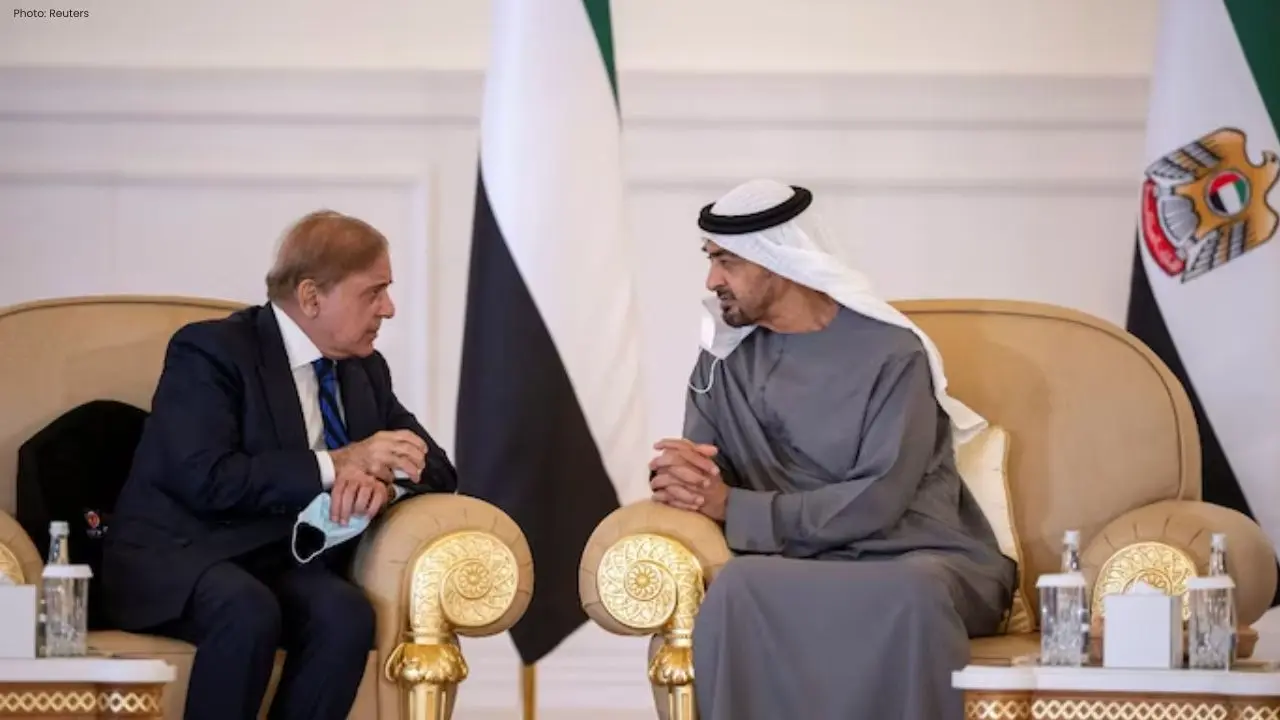
In a groundbreaking fiscal move, Pakistan has opted to repay its total $3.5 billion debt to the United Arab Emirates (UAE) this month. This decision signifies a pivotal shift in Islamabad’s financial strategies and its historical dependence on loan rollovers from Gulf partners.
Officials from Pakistan’s Finance Ministry indicate this step follows the UAE's recent change in lending methods, providing only short-term, month-to-month rollovers instead of longer extensions, leading to increased uncertainty and financial strain for Pakistan.
Reasons Behind Pakistan's Decision
The repayment initiative aims to tackle several pressing economic dilemmas:
1. Enhancing Financial Credibility
Pakistan aspires to better its image among international lenders, including the IMF and global markets. By discontinuing the cycle of ongoing loan extensions, it seeks to establish stronger financial discipline.
2. Mitigating Default Risks
The shift to monthly rollovers posed significant risks. A refusal from the UAE to continue the loans could have led to an immediate balance-of-payments crisis.
3. Transitioning to Investments
Officials suggest that part of the repaid funds may be redirected toward direct investments, particularly in energy and infrastructure. This represents a noteworthy transition from reliance on loans to cultivating economic partnerships.
Clearing a 30-Year-Old Loan
Included in the repayment is a $450 million loan from 1996–97, which was initially granted for just one year but has seen extensions for nearly three decades.
Sources within the Finance Ministry indicate that this portion will be settled as soon as next week. This clearance is viewed as a symbolic measure to underline Pakistan’s resolve for financial reform.
The UAE's Evolving Financial Policies
The UAE's more stringent lending practices correlate with its own financial strategies, as it faces increasing regional tensions and heightened defense spending related to ongoing conflicts in West Asia.
Analysts opine that Abu Dhabi's cautious approach towards external financial commitments has prompted Pakistan to act decisively.
Pakistan's choice to repay the UAE debt signifies a transformative moment in its economic policy. By steering away from repetitive borrowing and concentrating on credibility and investments, the nation aspires to fortify its financial standing and restore global trust.