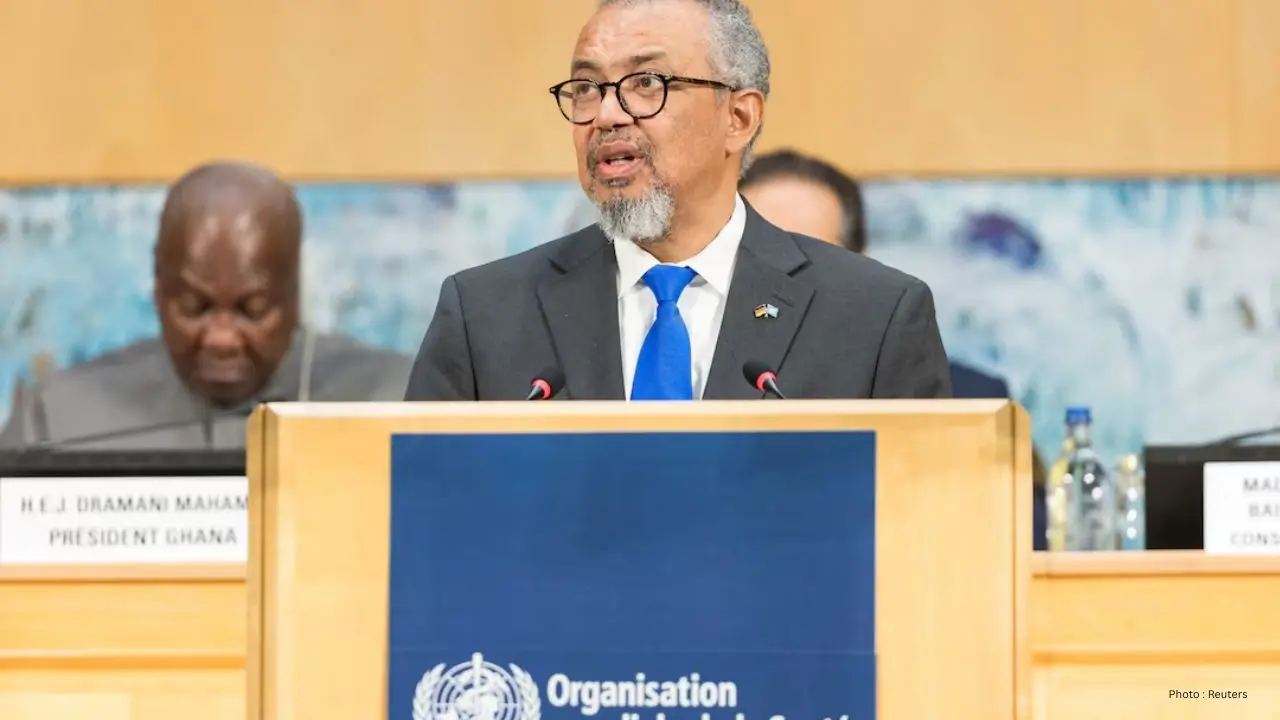
The Democratic Republic of the Congo (DRC) is facing a serious Ebola outbreak as the number of suspected cases has crossed 900, according to the World Health Organization (WHO). WHO Director-General Tedros Adhanom Ghebreyesus said health officials are deeply concerned about the fast spread of the virus in eastern parts of the country, especially in the conflict-hit Ituri province. Reports said that more than 101 cases have already been confirmed as surveillance and testing efforts continue across affected areas.
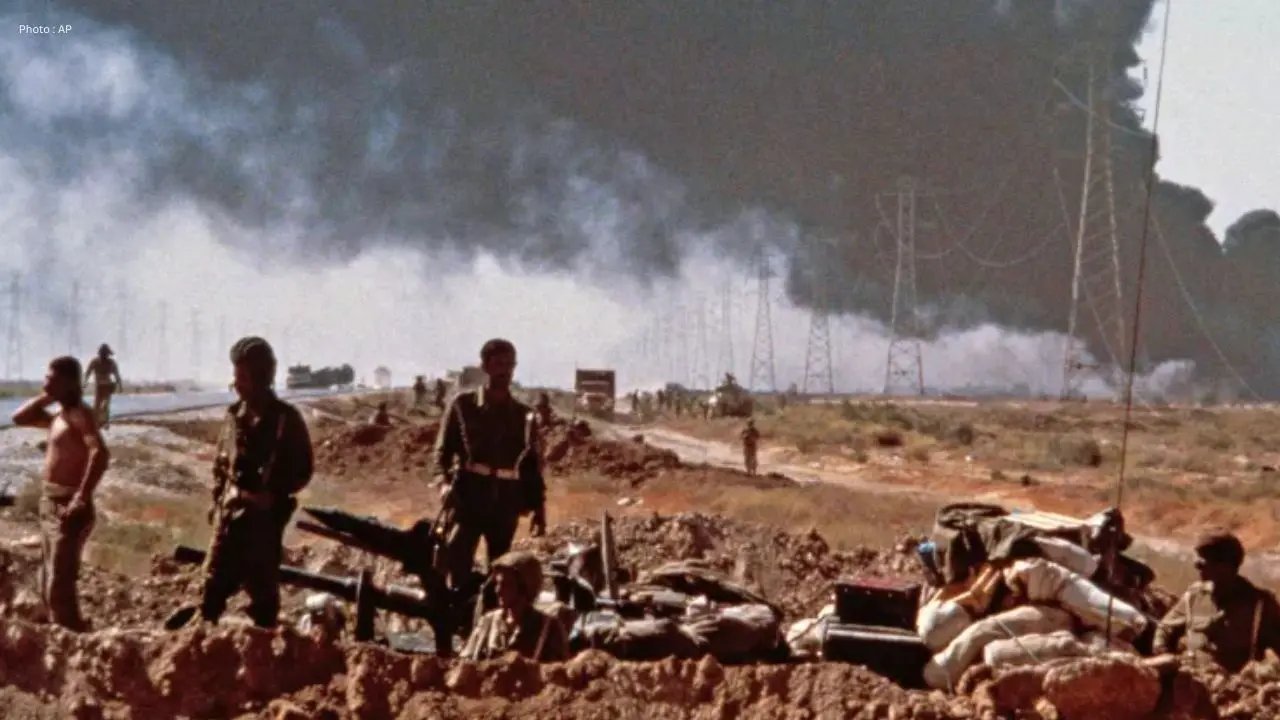
Health officials said the outbreak is becoming difficult to control because many affected regions are facing violence, displacement and poor healthcare facilities. Millions of people in Ituri are already struggling with humanitarian problems, while thousands have been forced to leave their homes due to armed conflict. WHO warned that insecurity in the region is making it harder for medical teams to trace contacts, isolate infected people and provide treatment quickly.
The current outbreak involves the rare Bundibugyo strain of the Ebola virus. Unlike some earlier Ebola outbreaks, there is currently no approved vaccine or treatment specifically designed for this strain. WHO and international health organisations are now considering the use of experimental vaccines and emergency medical support to control the situation before it spreads further.
According to WHO officials, the outbreak has already created fear among local communities. In several areas, mistrust of health workers and attacks on treatment centres have slowed response efforts. Reports also said some hospitals and Ebola care units were attacked by angry groups demanding the bodies of relatives who died from the disease. Health experts warned that such incidents increase the risk of infections spreading further inside communities.
The outbreak was officially declared a global public health emergency earlier this month after cases linked to the virus were also reported in neighboring Uganda. WHO believes the risk remains very high within Congo and nearby countries because of population movement and weak healthcare systems in border areas. However, the organisation said the current global risk remains low.
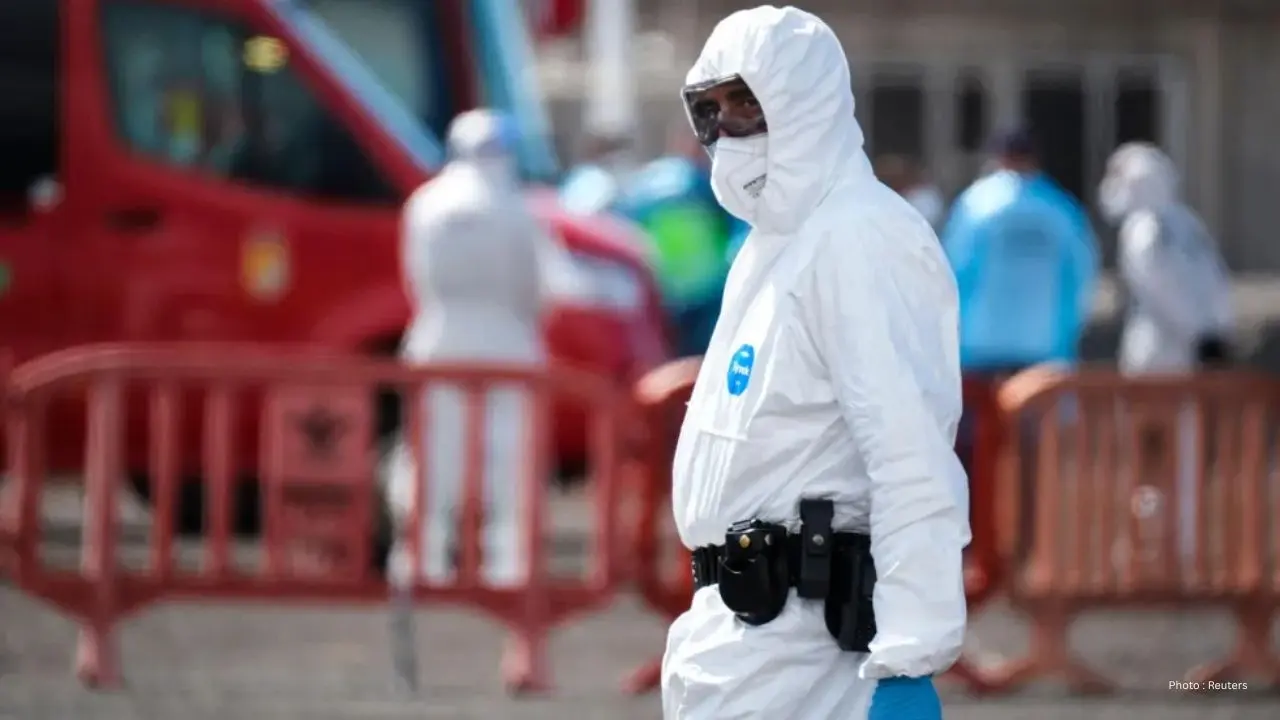
Medical teams from WHO, Doctors Without Borders and other humanitarian groups are continuing to work in difficult conditions to provide treatment, testing and awareness campaigns. Health experts said early detection, safe burials and community cooperation are very important to stop the outbreak from becoming worse in the coming weeks.