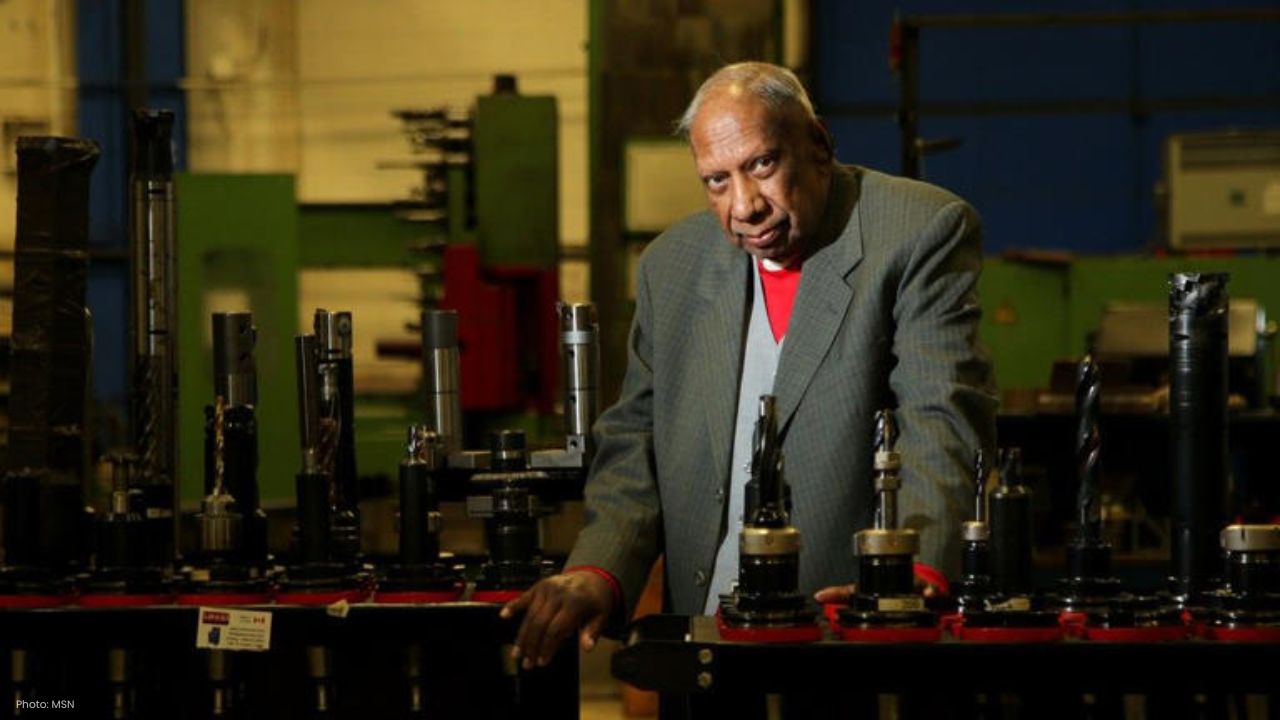
The owner of Ottawa-based medical manufacturer Best Theratronics says he cannot comply with Canada’s nuclear safety rules due to a lack of funds. The company, which produces cancer treatment devices using Cobalt-60 radioactive isotopes, was ordered in November 2024 to restore a lapsed financial guarantee of $1.8 million to cover potential decommissioning costs.
Krishnan Suthanthiran, the company’s owner, said banks refused to provide loans and that fulfilling the regulatory requirement would cost $2 million. He also suggested he might relocate operations to India or the United States.
"The financial guarantee is unduly onerous," Suthanthiran said. "I cannot afford that."
CNSC Confirms Ongoing License Violations
The Canadian Nuclear Safety Commission (CNSC) confirmed that Best Theratronics remains in violation of its nuclear license but declined to provide details on potential enforcement actions. The commission has the authority to issue fines, revoke licenses, and pursue prosecutions against non-compliant operators.
Green Party leader Elizabeth May criticized Suthanthiran, calling the company’s behavior a "mockery" of the regulator and claiming the CNSC has historically been too close to the industry it oversees.
"The Canadian Nuclear Safety Commission has been described as a captive regulator for good reason," May said. "But this is at the level of a bad actor."
Labor Disputes and Staffing Challenges
Best Theratronics has faced ongoing labor issues. The company’s workforce has dropped from nearly 200 employees to about 60, following strikes during which the union labeled Suthanthiran "Canada’s worst boss."
"We cannot find skilled workers," Suthanthiran said. "We could hire 50 machinists. We can't find them."
The staffing shortages have added to the company’s difficulties in meeting regulatory and operational requirements.
Company Background
Best Theratronics traces its origins to Atomic Energy of Canada, which produced the world’s first cobalt-based cancer therapy systems in the 1950s. After being sold to MDS Nordion, Suthanthiran acquired the company in 2008 for $15 million.
Suthanthiran, originally from India and a Carleton University graduate, previously ran a global network of medical manufacturing companies, including a Belgian operation that went into administration in 2012 following allegations of financial misconduct.
He indicated that the company may cease operations requiring a nuclear license in Canada, though some non-nuclear manufacturing could continue at the Kanata facility.