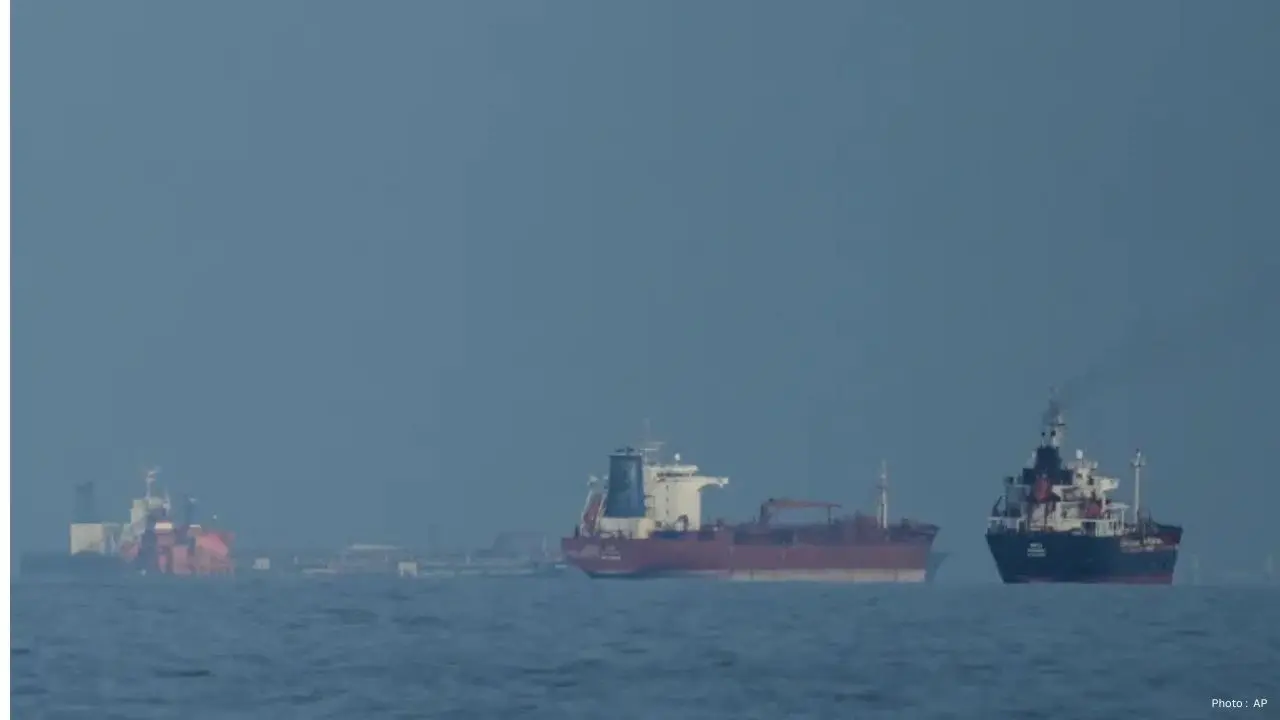
Oil prices have surged beyond $106 per barrel due to escalating tensions between the United States and Iran. This unrest is primarily associated with a rising deadlock in the Strait of Hormuz, a crucial artery for global oil transport.
This narrow passage sees a significant portion of the world’s oil flow daily. Disruptions in this area swiftly ripple across global energy markets. The current standoff between the US and Iran amplifies these challenges.
Market reports indicate that oil prices are climbing amid fears of potential supply reductions or delays. Restrictions on tanker movement within the strait foster uncertainty, causing traders to anticipate shortages, which consequently drives prices upward.
Tensions in the region have intensified due to military maneuvers and pointed political rhetoric. Both nations’ actions have escalated regional pressures, stalling discussions for resolution.
This scenario starkly illustrates the interplay between global energy markets and political dynamics. A conflict in one area can swiftly affect fuel prices globally, influencing transportation, industries, and daily life for individuals.
Increasing oil prices typically lead to spikes in fuel, food, and essential goods costs. Nations heavily reliant on imported oil may experience economic strain, particularly developing countries that lack the resources to mitigate sudden inflation spikes.
There's also a looming concern regarding inflation. Rising fuel costs elevate living expenses, potentially diminishing consumer spending power and hindering economic growth. Governments may face tough decisions as they navigate these economic challenges.
Global trade is not immune to the effects of this situation. Vessels transporting oil and goods might encounter delays and escalated insurance rates due to heightened security concerns, disrupting supply chains and inflating prices in various markets.
Moreover, this crisis underscores the necessity for stable international relations. Open and secure key trade routes rely on peaceful dialogue and cooperation; otherwise, the threat of further escalation remains significant.
Experts suggest that unless meaningful negotiations between the US and Iran progress, oil prices could linger at high levels or climb further. Ongoing uncertainty is likely to compound its effects on global markets.
The challenges in the Strait of Hormuz extend beyond regional ramifications, resonating globally with repercussions for economies, governments, and populations worldwide. Ensuring stability in this region is vital for a balanced energy supply and economic prosperity.
As the coming days unfold, global leaders will monitor the situation closely for any signs of improvement or escalation. Choices made now could critically influence global markets and international relationships in the foreseeable future.