Global oil prices settled higher after Donald Trump warned that the fragile ceasefire between the United States and Iran was “on life support,” increasing fears that tensions in the Middle East could escalate again. Financial markets reacted quickly to the comments as investors worried about possible disruptions to global oil supplies and shipping routes in the region.
According to market reports, Brent crude oil prices rose nearly 3 percent, closing above $104 per barrel, while U.S. West Texas Intermediate crude also gained strongly during trading. Analysts said oil prices increased because traders feared the ongoing conflict could continue affecting shipments through the Strait of Hormuz, one of the world’s most important oil transportation routes.
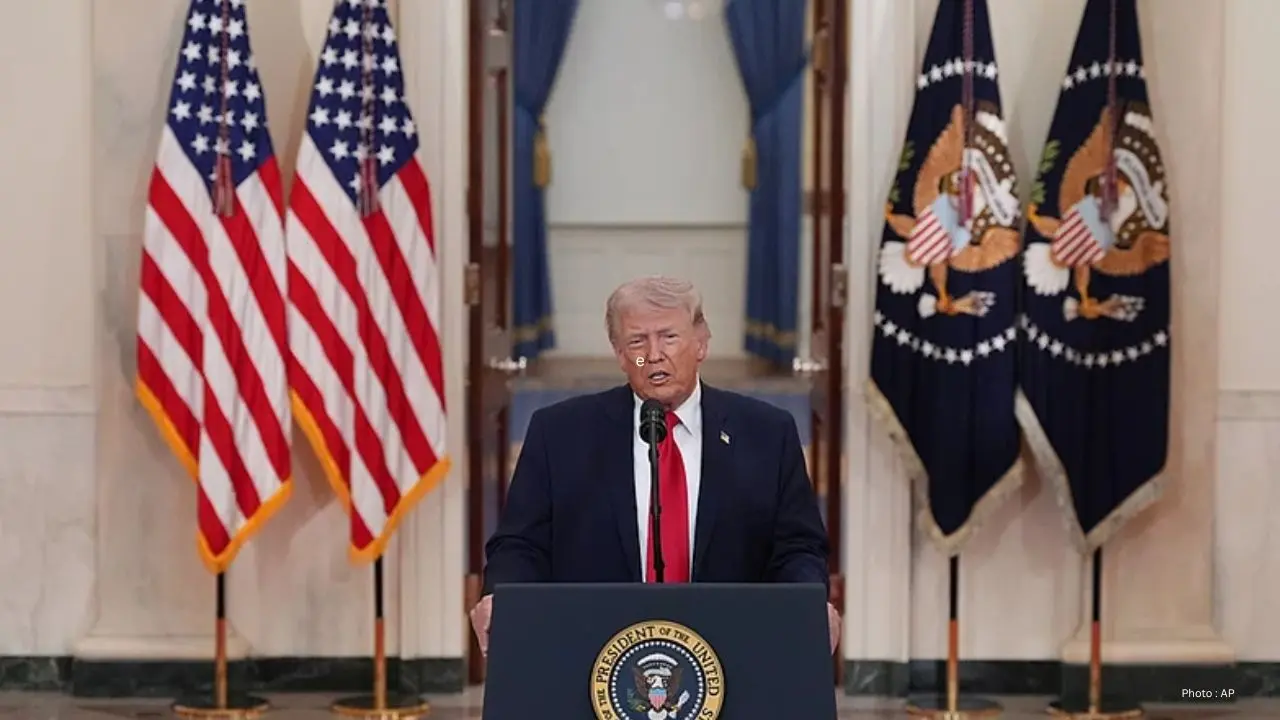
Trump made the remarks after rejecting Iran’s latest response to a U.S.-backed peace proposal. Reports said the American president described Tehran’s counterproposal as unacceptable and warned that the ceasefire agreement now faces serious uncertainty. The comments reduced optimism that negotiations between Washington and Tehran would quickly succeed.
The Strait of Hormuz remains at the center of global concern because nearly one-fifth of the world’s oil supply passes through the narrow waterway connecting the Persian Gulf to international markets. Any disruption or military escalation in the area could sharply increase fuel prices worldwide and create pressure on global economies already dealing with inflation and trade uncertainty.
Energy analysts said oil markets had previously fallen last week after hopes grew that a ceasefire agreement might reopen shipping routes and reduce military tensions. However, Trump’s latest comments reversed much of that optimism, leading investors to return to safe-haven trading strategies and energy buying.
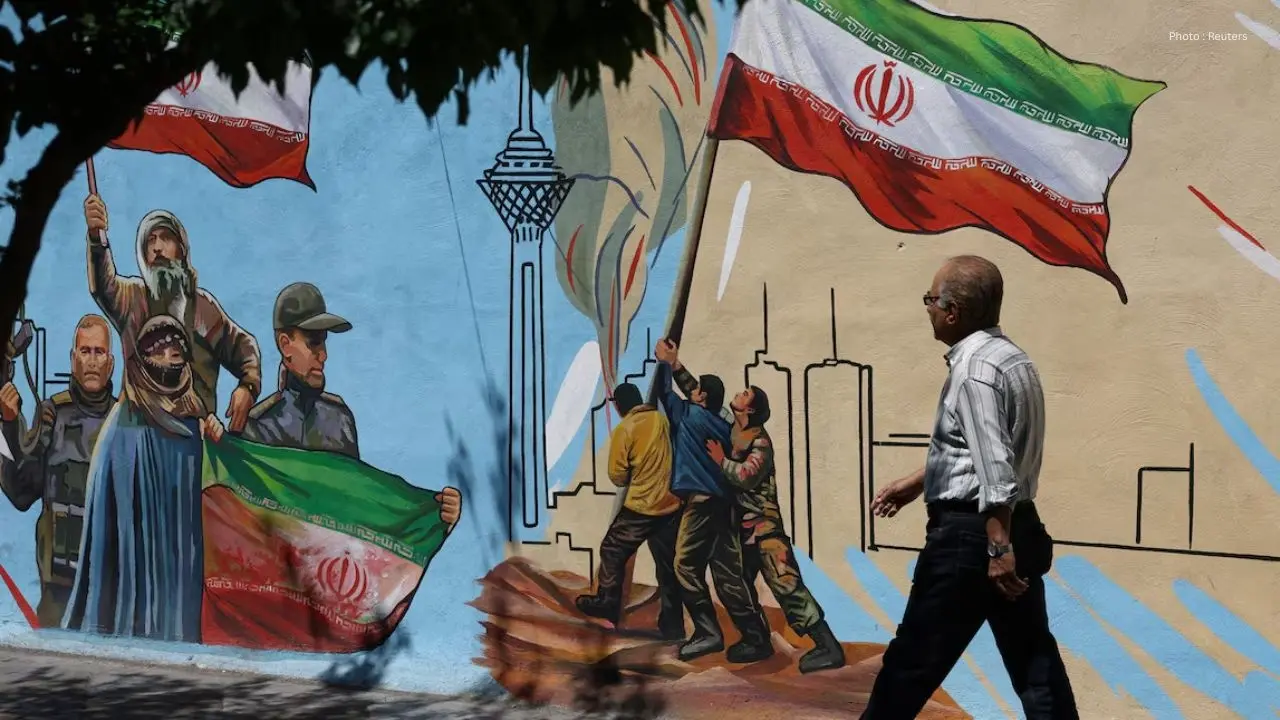
International observers continue closely monitoring relations between the United States and Iran as diplomatic negotiations remain unstable. Iran reportedly wants sanctions relief, recognition of its regional demands, and changes to restrictions affecting oil exports before fully agreeing to broader peace terms. Meanwhile, the United States continues pressuring Tehran over security concerns and regional military activity.
The situation has also raised concerns among businesses and transportation industries because higher oil prices often lead to increased fuel costs, shipping expenses, and inflation pressure around the world. Economists warned that prolonged instability in the Middle East could affect airlines, manufacturing industries, and global trade markets if energy prices continue rising.
Political experts believe upcoming diplomatic talks between Trump and Chinese President Xi Jinping could also influence future developments. China remains one of the largest buyers of Iranian oil, and analysts say Beijing may play an important role in future negotiations linked to regional stability and energy markets.
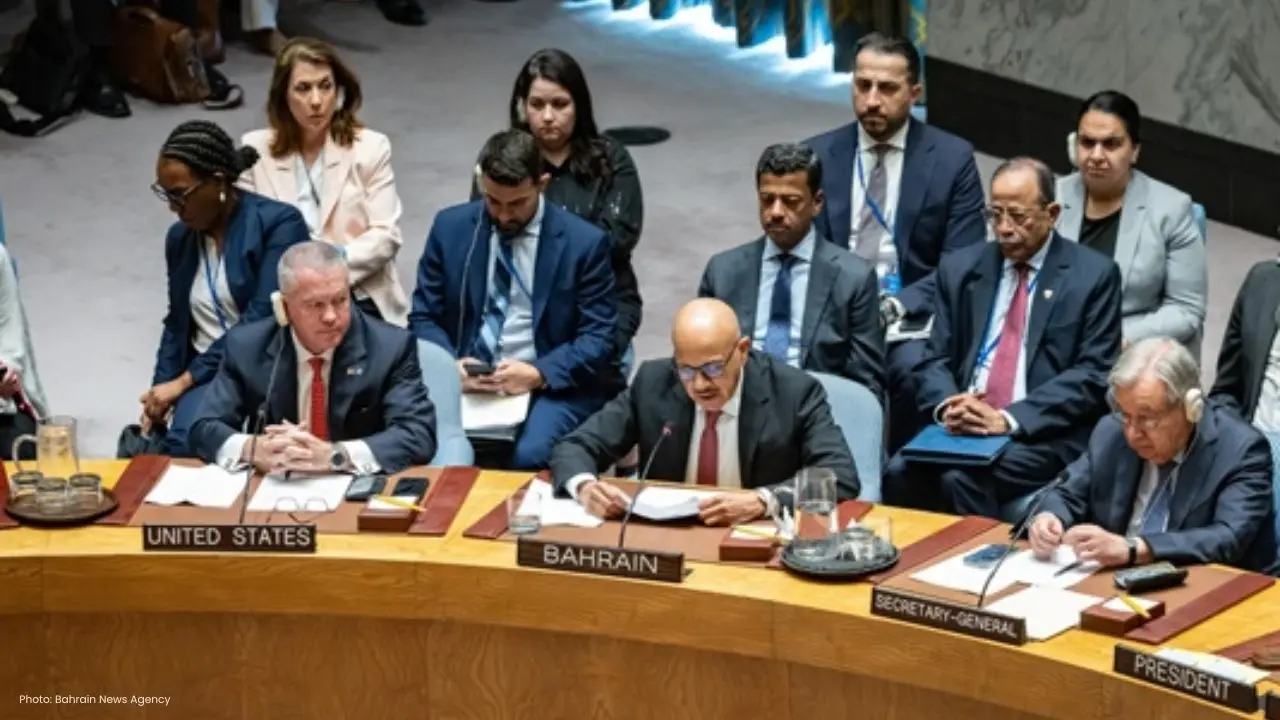
Despite the uncertainty, officials from several countries continue calling for restraint and diplomacy to avoid another major military escalation in the Middle East. However, with negotiations becoming increasingly difficult and oil markets reacting strongly to political developments, global attention remains focused on whether the ceasefire can survive in the coming days.