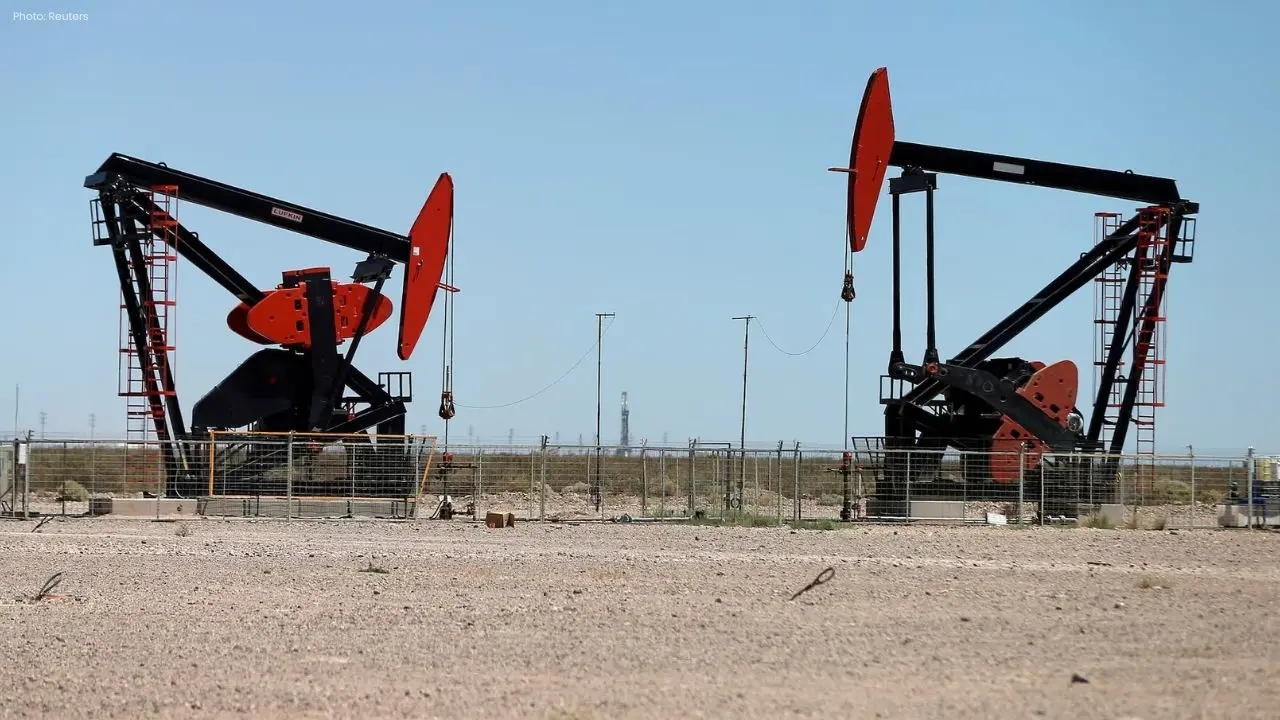
On January 23, 2026, oil prices experienced a significant spike due to escalated tensions in the Middle East, prompting fears of potential supply disruptions. This increase coincided with the United States imposing new sanctions on Iran's oil sector and repositioning substantial naval forces in the area.
Brent crude oil, an international benchmark, surged nearly 3 percent, adding $1.82 and closing at $65.88 per barrel. Meanwhile, the US benchmark, West Texas Intermediate (WTI), increased by $1.71, or approximately 2.9 percent, reaching $61.07 per barrel. This rapid response highlights the volatility of oil prices in reaction to military and political factors.
The primary driver of this price hike stemmed from the US's intensified measures against Iran, which included sanctions targeting various vessels and firms implicated in the oil trade. These sanctions are intended to inhibit Iran's ability to effectively market its oil on a global scale.
In addition to the sanctions, the US confirmed that a substantial military presence would be deployed to the region, comprising an aircraft carrier and missile-equipped destroyers. This development has exacerbated concerns regarding potential conflicts that may disrupt oil supplies, given that the Middle East produces a significant portion of the world’s oil.
Investors and traders quickly reacted to these developments, expressing apprehension about possible disruptions to shipping lanes and a slowdown in oil exports. Even the slightest risk of supply issues can lead to steep price increases in the market.
Another contributing factor to supply concerns is the current situation in Kazakhstan, a key oil-producing nation. Following a fire at the critical Tengiz oil field, Kazakhstan's oil output has sharply decreased. In January, the country's production is expected to drop to between 1 and 1.1 million barrels per day, down from a typical output of nearly 1.8 million barrels.
Compounding these challenges are recent drone assaults that have impacted Kazakhstan’s Black Sea oil export terminal, disrupting shipments and complicating efforts to deliver oil to global markets. Collectively, these issues have tightened global oil supplies substantially.
Despite the price increases, global oil demand remains robust. Many nations are heavily reliant on fuel for transportation, industrial operations, and energy generation, meaning that any disruption in supply can markedly influence prices.
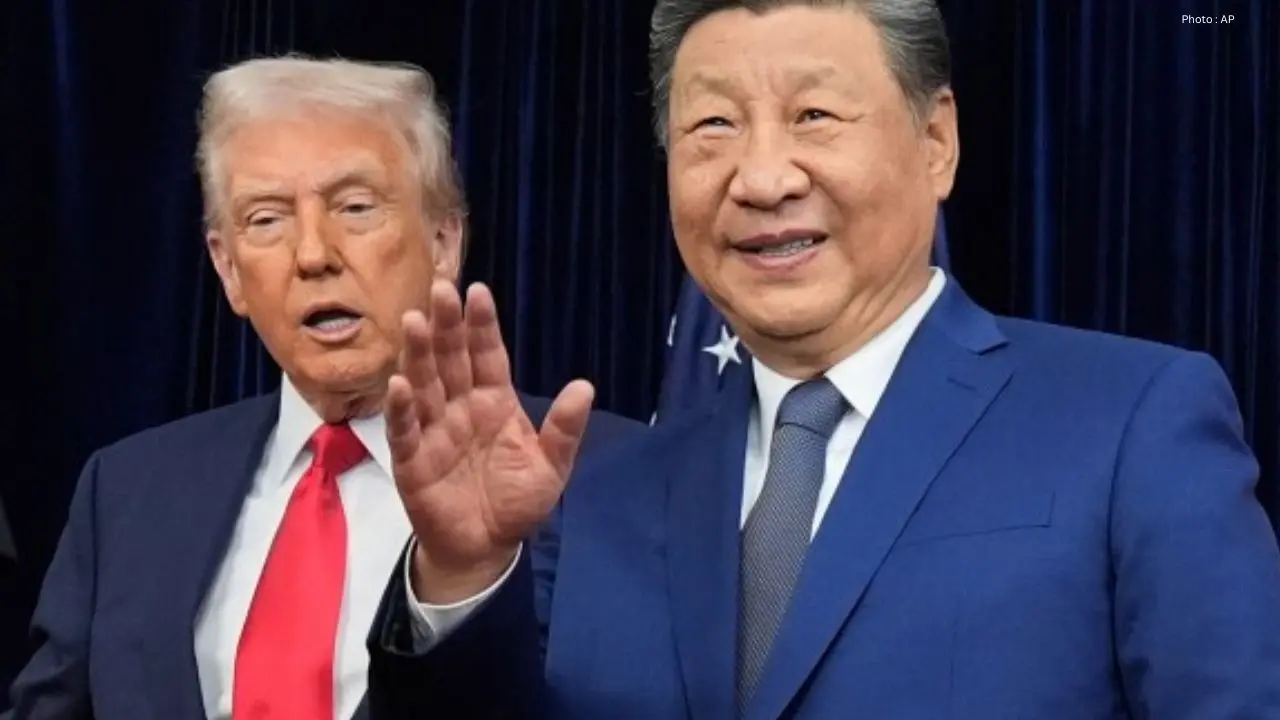
Earlier in the week, oil prices had dipped after US presidential threats regarding trade tariffs on Europe were retracted, along with assurances against military action. However, the landscape shifted again with recent developments in the Middle East.
The US has also broadened its military efforts in the Arctic, with a new pact with Denmark and NATO granting American forces complete access to military bases in Greenland, indicating a strategic enhancement of US military presence in significant regions worldwide.
As geopolitical tensions evolve globally, volatility in oil markets is anticipated to continue. Traders are keenly monitoring events in the Middle East and Central Asia, aware that any further escalations could lead to even higher prices in the near future.