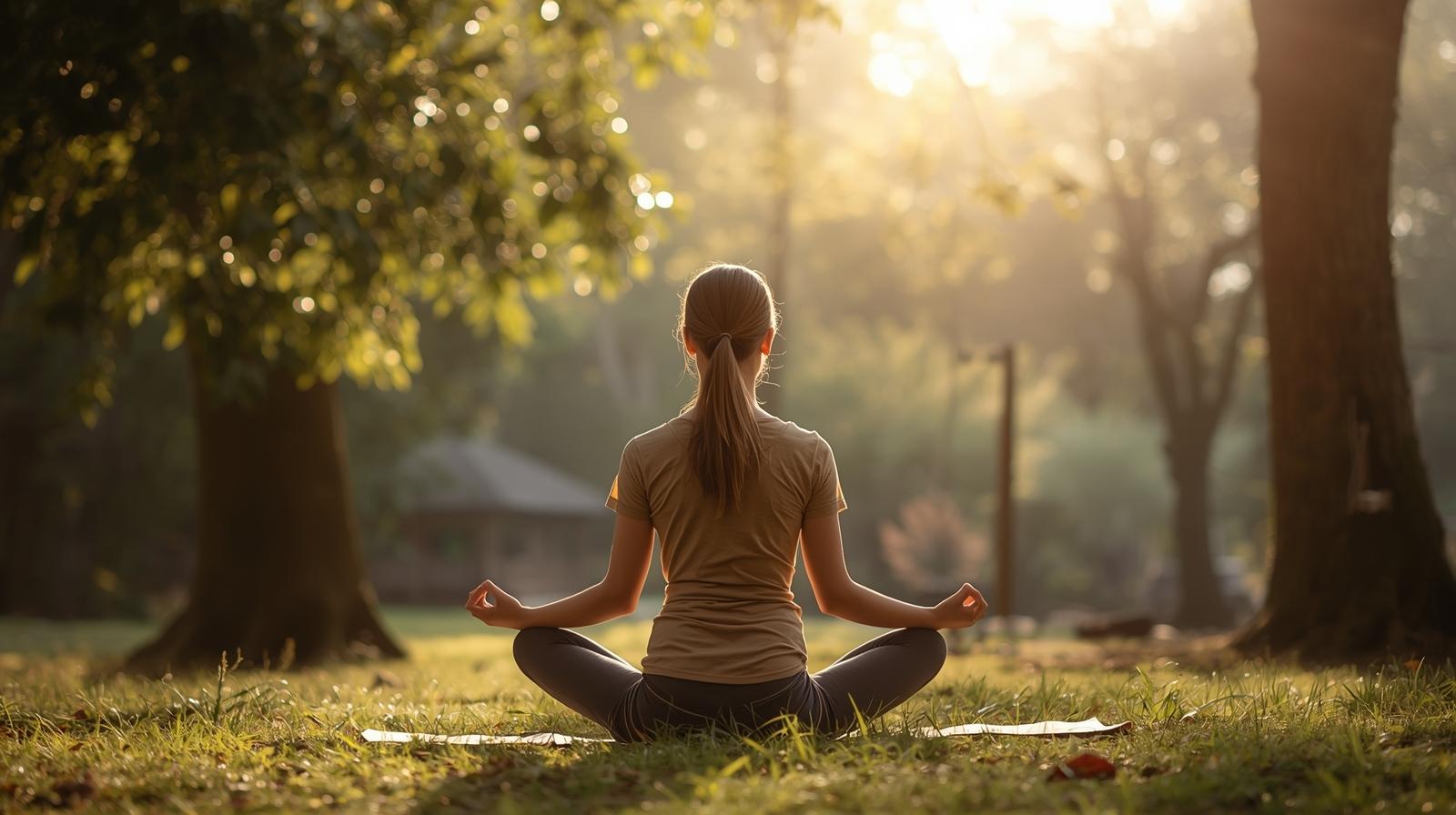
Nurturing Your Mind and Body During Stressful Periods
In our rapidly evolving society, stress has become an integral part of life. Whether arising from work commitments, personal trials, or global events, prolonged stress can take a toll on both mental and physical well-being. Nevertheless, it's possible to uphold wellness even in tumultuous times through deliberate habits, mindfulness practices, and self-care techniques.
This article delves into effective strategies to help you remain balanced, lively, and robust, regardless of the challenges you face.
1. Prioritize Your Mental Health
Your mental state is crucial to your overall wellness. Unmanaged stress can lead to anxiety, burnout, and depression.
Ways to Enhance Mental Health:
-
Engage in mindfulness: Dedicate 10–15 minutes each day to meditate, practice deep breathing, or concentrate on the present moment.
-
Keep a journal: Documenting thoughts and feelings can help declutter the mind.
-
Foster positive self-talk: Swap negative thoughts for affirming and empowering statements.
-
Seek professional help: Consult a therapist if stress becomes overwhelming.
By emphasizing mental health, you enhance clarity, decision-making, and emotional resilience.
2. Sustain a Nutritious Diet
Your diet has a direct influence on both brain functionality and physical vitality. Eating properly during tumultuous times can enable your body to respond more effectively.
Dietary Guidelines:
-
Incorporate fruits, vegetables, whole grains, and lean proteins into your meals.
-
Avoid processed foods, high sugars, and excess caffeine as they can amplify stress levels.
-
Stay well-hydrated by drinking ample water throughout the day.
-
Include omega-3 rich foods like salmon, flaxseed, and walnuts for brain health.
A balanced diet contributes to steady energy, enhanced mood, and better immune function.
3. Add Regular Exercise to Your Routine
Physical activity serves as one of the most potent means to manage stress and boost overall health. It lowers stress hormones, elevates endorphins, and enhances sleep quality.
Ways to Keep Active:
-
Engage in daily walking or light jogging.
-
Try yoga or stretching exercises to ease tension.
-
Incorporate home workouts or strength training sessions.
-
Take short activity breaks during your workday for a boost.
Regular movement improves cardiovascular fitness, muscle strength, and emotional health.
4. Embrace Mindfulness and Relaxation Techniques
Mindfulness and relaxation practices help calm the nervous system, combating stress escalation.
Proven Techniques:
-
Deep breathing methods: Breathe in for four counts, hold for four, exhale for six. Repeat 5–10 times.
-
Progressive muscle relaxation: Tense various muscle groups, then release to alleviate physical tension.
-
Guided meditation or visualization: Listen to audio meditations or visualize calming scenarios.
Such practices will enhance concentration, emotional stability, and mental clarity.
5. Focus on Quality Sleep
Sleep is vital for mental and physical restoration, especially in times of stress. Inadequate sleep can worsen anxiety, impair immunity, and decrease productivity.
Tips for Better Sleep:
-
Keep a regular sleep schedule, even on weekends.
-
Limit screen time 30–60 minutes before sleeping.
-
Create a conducive sleeping atmosphere: dark, quiet, and cool.
-
Integrate relaxation routines like reading or meditation before bed.
Restorative sleep enables cognitive abilities, emotional balance, and overall health.
6. Connect with Supportive Networks
Social interactions are essential for both mental and emotional strength. Sharing thoughts, seeking advice, or connecting with loved ones can alleviate stress and cultivate belonging.
Ways to Stay Connected:
-
Regularly schedule calls or visits with family and friends.
-
Participate in online or community groups.
-
Engage in hobbies or group activities.
Strong relationships nurture emotional stability, perspective, and comfort in tough times.
7. Limit Stress Sources and Negative Influences
Managing exposure to stress-inducing factors can help sustain wellness.
Helpful Approaches:
-
Minimize consumption of unsettling news or social media.
-
Reduce interactions with toxic relationships.
-
Focus on engaging in affirmative and productive environments.
Establishing boundaries safeguards your mental focus and emotional health.
8. Embrace Enjoyable Hobbies
Leisure activities offer a mental respite and promote well-being.
Self-Care Hobbies Include:
-
Reading, painting, or writing.
-
Enjoying music or playing instruments.
-
Gardening, cooking, or crafting.
Regularly engaging in enjoyable pursuits diminishes stress and enhances mental relaxation.
9. Cultivate Daily Gratitude
Gratitude significantly boosts mood, relieves stress, and elevates life satisfaction.
Ways to Embrace Gratitude:
-
Document three things you appreciate daily.
-
Express gratitude to those in your life.
-
Reflect on positive experiences before sleep.
Gratitude fosters positivity, resilience, and emotional wellness.
10. Strive for a Healthy Work-Life Balance
Stress frequently stems from dedicating excessive time to work while neglecting personal life. Striking a balance fosters wellness and productivity.
Ways to Balance Work and Life:
-
Establish clear separations between work and personal time.
-
Plan breaks for relaxation.
-
Prioritize tasks and delegate whenever feasible.
A balanced approach minimizes burnout and mental fatigue.
11. Utilize Deep Breathing and Mindful Pauses
Short, purposeful breaks can greatly reduce stress and enhance focus.
Helpful Techniques:
-
Take 2–3 minute pauses each hour for deep breathing.
-
Engage your senses and surroundings during breaks.
-
Stretch or take brief walks to alleviate tension.
Resuming these mindfulness practices restores energy, concentration, and emotional balance.
12. Avoid Overuse of Substances
Relying on alcohol, caffeine, or unhealthy coping tactics can exacerbate stress and damage health.
Healthier Alternatives:
-
Swap alcohol for herbal teas or infused water.
-
Keep caffeine consumption moderate.
-
Seek emotional support instead of turning to unhealthy habits.
Reducing substance overuse nurtures overall health, mental clarity, and resilience.
13. Stay Organized and Prepare Ahead
Disarray contributes to stress. Creating structure and planning can alleviate anxiety and enhance efficiency.
Organizational Suggestions:
-
Maintain a daily planner or task list.
-
Organize tasks and set achievable goals.
-
Declutter both physical and digital spaces to create a peaceful environment.
A well-organized routine promotes mental clarity, productivity, and reduced stress.
14. Show Yourself Compassion
Stressful periods often lead to self-criticism and negative thoughts. Practicing self-compassion enhances emotional resilience.
Methods for Self-Compassion:
Practicing self-compassion develops emotional stability and confidence, making it easier to navigate life’s challenges.
15. Emphasize Small, Consistent Actions
The essence of maintaining wellness lies in consistency. Small, everyday practices can lead to long-term health rewards.
Examples of Daily Habits:
-
Drink water first thing in the morning.
-
Go for a 10-minute walk during lunch breaks.
-
Reflect on things you are grateful for at bedtime.
-
Allocate five minutes for deep breathing during breaks.
Consistency in these small actions fortifies mental, emotional, and physical resilience over time.
Conclusion
While stressful periods are unavoidable, they can be managed without compromising your mental and physical wellness. By adopting practical approaches, such as mindfulness, nutritious eating, routine exercise, ensuring quality sleep, staying socially connected, and embracing self-compassion, you can uphold balance and resilience.
By starting with a few simple adjustments and gradually adopting these habits, you can cultivate a healthier, more resilient version of yourself.