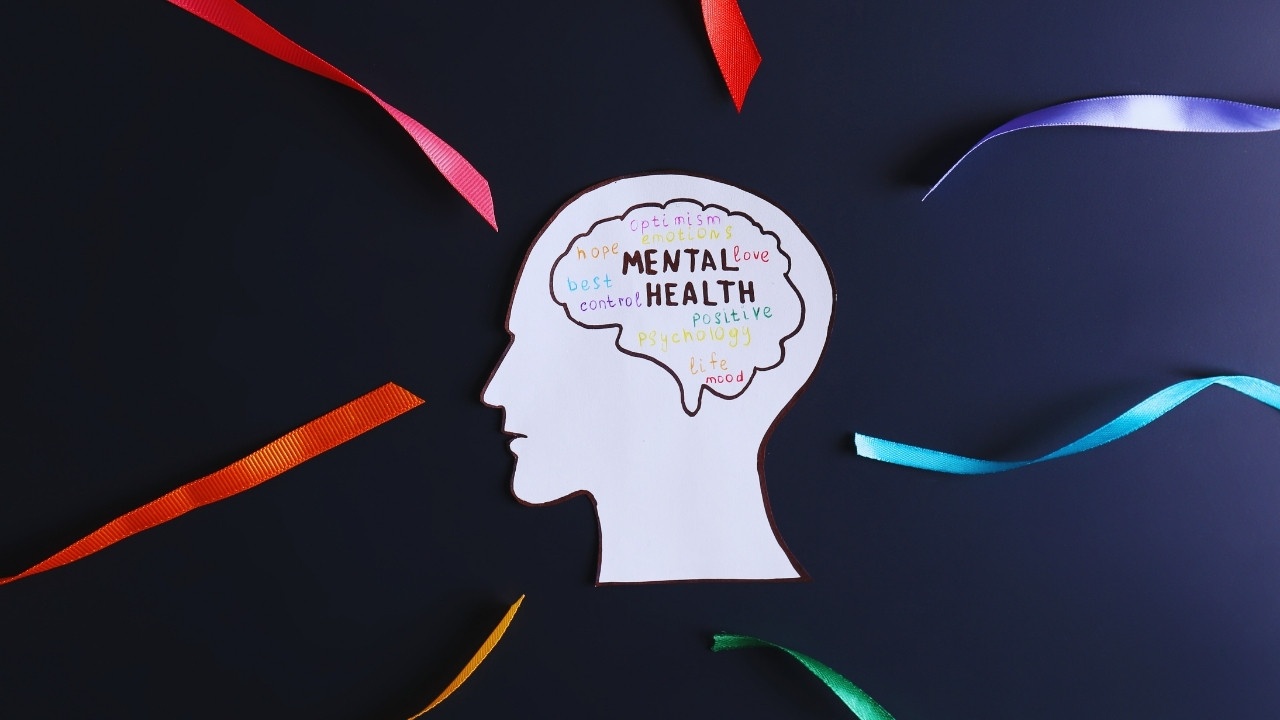
In today’s busy, unpredictable world, caring for mental fitness is as essential as tending to physical health. It goes beyond reacting to ageing or memory loss — it means intentionally building mental resources so you can think clearly, adapt with creativity, and stay emotionally steady.
Contemporary science reminds us that the brain keeps changing throughout life. This ability, called neuroplasticity, means new routines and habits can improve memory, attention, and emotional balance at almost any age.
This piece looks at why nurturing the mind matters, sets out evidence-based daily practices, offers hands-on tips for fitting them into a real life, flags common stumbling blocks, and considers how to ready your brain for what lies ahead.
Why Mental Fitness Matters Today
Several trends make mental fitness a practical priority: longer lifespans, more cognitively demanding jobs, continuous digital distractions, and growing interest in prevention rather than cure.
-
Ageing populations: With people living longer, preserving sharp thinking is increasingly important. Movement, mental engagement, and lifestyle choices all help maintain cognitive function.
-
Complex work lives: Many roles demand quick problem-solving, multitasking and creativity, placing extra strain on cognitive resources.
-
Digital overload: Constant notifications, task switching and information overload undermine attention, memory and emotional steadiness.
-
Focus on prevention: More people are choosing habits that preserve mental performance before problems begin.
Taken together, these forces make mental fitness a daily priority. The key question is: how do we train the mind as deliberately as we train the body?
Core Pillars of Mental Fitness
1. Physical Activity & Movement
Regular exercise is one of the most reliable ways to support brain health. Physical activity boosts circulation, releases growth factors that help neurons, and promotes neuroplastic change. Resistance work, combined balance or coordination drills, and leg-strengthening movements are especially good at stimulating new brain connections.
Practical Tip: Aim for several sessions of moderate aerobic exercise each week, add strength training, and try activities that pair movement with mental focus, such as walking while recalling a list or balancing while talking through an idea.
2. Cognitive Stimulation & Learning
The mind benefits from challenge. Picking up new skills, tackling complex games, reading widely, or confronting unfamiliar tasks builds cognitive reserve. Learning a new language or musical instrument recruits many brain networks and sharpens memory and flexibility.
Practical Tip: Reserve 20–30 minutes, a few times a week, for mentally demanding pursuits. Consistency and variety matter more than perfection.
3. Social Connection & Emotional Well-being
Meaningful relationships and emotional balance support cognitive health. Staying connected, reducing stress, maintaining mood stability and getting restorative sleep all influence how well the brain functions. Practices such as journaling, reflecting and gratitude can strengthen emotional resilience.
Practical Tip: Make space for regular, deep conversations and emotional check-ins with friends or family as part of your mental-fitness practice.
4. Sleep, Nutrition & Recovery
Good sleep is vital for consolidating memory, repairing neural tissue and regulating emotions. Nutrition also matters: whole foods, a plant-forward approach and limited added sugars support clear thinking.
Practical Tip: Prioritise 7–9 hours of sleep when possible, eat balanced, nutrient-dense meals, and include deliberate recovery time in your routine.
Building Your Mental Fitness Routine
Baseline Habits
-
Movement: Target around 150 minutes of moderate aerobic activity weekly plus two sessions of strength work.
-
Cognitive challenge: Practice a new skill or mentally engaging game for 20–30 minutes, 3–5 days per week.
-
Social/emotional check-ins: Carve out one meaningful interaction each day.
-
Sleep/nutrition: Keep a regular sleep schedule and include 2–3 brain-supportive meals weekly with protein, vegetables and healthy fats.
Advanced Layers
-
Dual-task workouts: Mix mental tasks with physical movement to amplify brain stimulation.
-
Mind-body practices: Add 10 minutes of mindfulness or breathing practice each day.
-
Varied cognitive formats: Alternate reading, puzzles, creative hobbies and memory exercises to keep the brain adaptable.
-
Restorative moments: Spend time in nature or enjoy hobbies that calm and renew you.
Monitoring & Adaptation
-
Use a journal or an app to record habits and progress.
-
Review progress monthly to see what’s working and what needs changing.
-
Scale back or modify routines during periods of high stress, fatigue or travel.
Special Considerations & Common Pitfalls
-
Overfocusing on one area: A balanced approach matters; no single practice replaces the whole routine.
-
Perfectionism: Aim for steady effort rather than flawless execution. Missing a day is normal.
-
Skipping recovery: Without adequate rest and sleep, gains can evaporate.
-
Neglecting emotional health: If stress, anxiety or loneliness are present, seek support.
-
Individual differences: Adapt activities to your age, fitness level and personal circumstances.
The Future of Brain Health
-
Wearables and biofeedback: Devices may soon track cognitive markers alongside physical activity.
-
Personalised cognitive training: AI-driven programs could offer tailored exercises based on your strengths and gaps.
-
Hybrid brain-body interventions: Combined movement, mental tasks and feedback technologies may become common.
-
Community and gamified platforms: Socially driven brain-fitness programs are likely to expand.
-
Workplace initiatives: Employers may increasingly support brain-health measures to boost resilience and productivity.
Making It Stick: Real-Life Tips
-
Choose one anchor habit: Make a simple, non-negotiable action, like a daily walk.
-
Block time for new skills: Put cognitive practice into your calendar.
-
Use environmental cues: Keep books, puzzles or instruments where you see them to prompt use.
-
Combine social and learning goals: Study with friends or join a group class.
-
Visualise progress: Mark accomplishments on a checklist or habit grid.
-
Reflect monthly: Notice gains in focus, mood and memory.
-
Celebrate effort: Praise the routine, not just the outcomes.
-
Be gentle with yourself: Missed sessions happen; return to the habit without judgment.
Conclusion
Mental fitness in 2025 is practical and within reach. By blending movement, learning, social connection, good sleep and nourishing food, you can lay the groundwork for sustained brain health.
While new tools and personalised programs will emerge, the basics remain powerful: move, learn, connect and rest. Start with small, steady steps today and your mind will be better prepared for the years ahead.
Disclaimer:
This article is for informational purposes only. It summarises current approaches to brain health and mental fitness and is not a substitute for medical advice. Consult a healthcare professional before beginning new routines.