Tensions have increased in Nova Scotia after Premier Tim Houston strongly criticized highway blockades set up by First Nations protesters. The protests began after a police raid on an unregulated Indigenous cannabis store in Cape Breton, leading to a wider conflict between provincial authorities and Indigenous leaders.
Houston said that blocking highways is “never acceptable” and warned that such actions can affect public safety. He explained that roads are essential for daily life, as people depend on them for medical emergencies, work, and family needs. According to him, stopping traffic in this way creates risks and disrupts important services.
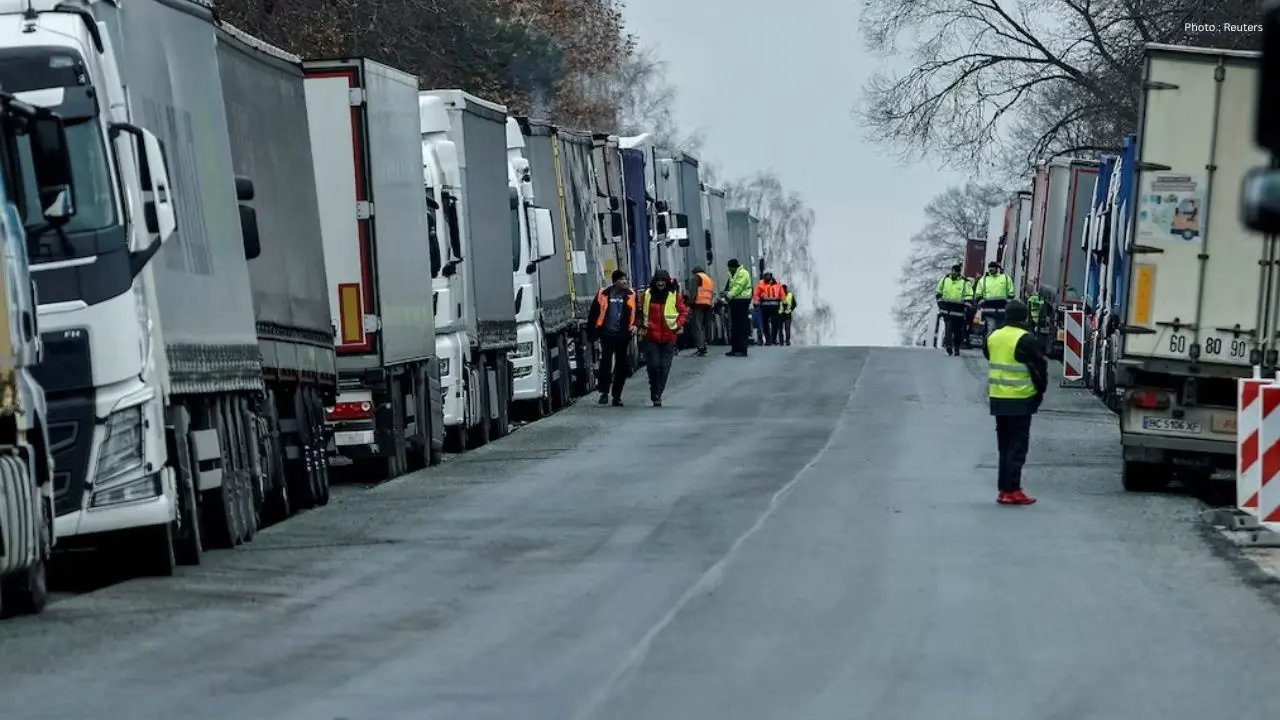
The protests were linked to an operation carried out by the Royal Canadian Mounted Police (RCMP), where officers seized cannabis products and arrested two individuals. After the raid, protesters blocked several major highways, including Highway 4 in the Potlotek First Nation area, as well as parts of Highways 102, 104, and 105.
During the protests, tensions rose further when police had to leave several vehicles behind due to safety concerns. Reports later confirmed that multiple RCMP vehicles were damaged before officers were able to recover them. First Nations leaders stated that they do not support vandalism and encouraged anyone with information about the damage to come forward.
Leaders from Potlotek First Nation defended the blockades, describing them as a peaceful and strong show of unity. They rejected claims that the protests were illegal and argued that their actions were part of a larger issue involving Indigenous rights and self-governance.
The main disagreement centers around the regulation of cannabis in Indigenous communities. Houston stated that there is no recognized treaty right to sell cannabis without regulation and warned that unregulated products could be unsafe due to high THC levels and lack of proper oversight.
However, Indigenous leaders argued that enforcement actions without respect for Mi’kmaw authority only increase conflict. They said that such actions ignore their rights and create unnecessary tension between communities and the government.
The premier has called for cooperation, suggesting that both sides work together to create safe and regulated cannabis businesses within First Nations communities, where economic benefits can stay local.
The situation remains sensitive, as both sides continue to stand firm on their positions. The dispute highlights ongoing challenges around Indigenous rights, law enforcement, and jurisdiction in Canada, with no immediate resolution in sight.