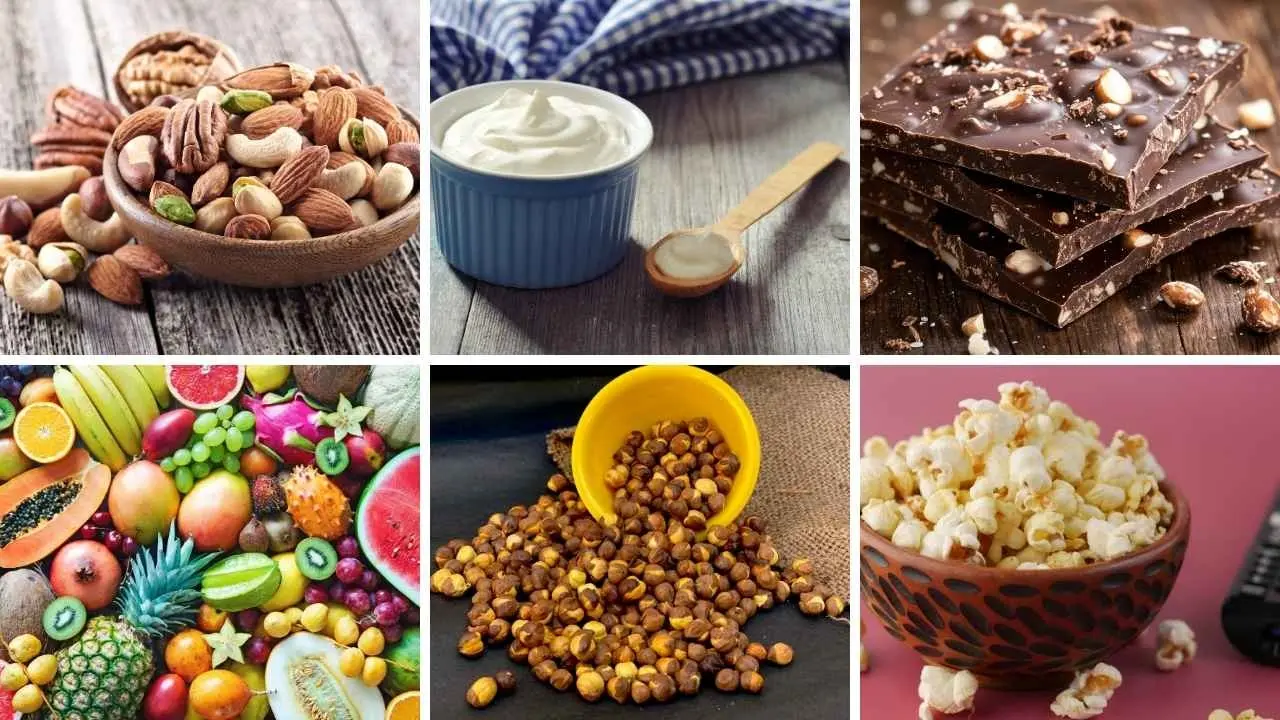
6 Healthier Snack Options to Energize Your Day
There’s a common misconception that snacking is unhealthy. Often, when we think of snacks, we picture chips, sweets, or deep-fried items. While these may be delightful, they can lead to weight gain and fatigue by inflating your daily calorie intake.
But here's the real deal: it’s not snacking that’s unhealthy; it’s selecting the wrong snacks.
Opting for the right snacks can deliver consistent energy, enhance your digestion, and curb hunger during main meals. Nutritious snacks help bridge nutritional gaps in your everyday diet.
Here are six nutritious snacks that are delicious, wallet-friendly, and beneficial for your health.
1. Nuts – A Tiny Powerhouse of Nutrition
Nuts like almonds, cashews, pistachios, and walnuts make some of the healthiest snacking options around. They’re loaded with protein, beneficial fats, and essential nutrients your body craves.
Why Nuts Are Beneficial:
-
Support heart health
-
Sustain satiety for longer
-
Aid in blood sugar regulation
-
Enhance focus and memory
-
Offer immediate and lasting energy
A simple handful (about 8–10 pieces) is all you need. Nuts are easily portable, making them ideal for tucking into your bag for school, work, or travel.
2. Fruits – Naturally Sweet and Nourishing
If you’re craving something sweet, fruits are the healthiest way to indulge. Apples, bananas, grapes, oranges, berries, and pears are excellent choices.
Advantages of Fruits:
-
Full of vitamins and minerals
-
Help limit sugar cravings
-
Enhance digestive health
-
Provide natural energy boosts
-
Convenient to carry anywhere
Pair fruits with yogurt or a few nuts for an even healthier treat that keeps you satisfied and provides a balanced nutrient intake.
3. Yogurt – Creamy Delight for Gut Health
Plain or Greek yogurt serves as one of the top snacks for benefitting gut health, as it’s packed with probiotics—good bacteria that boost digestion.
Benefits of Yogurt:
Opt for plain yogurt over flavored varieties as they often contain added sugars.
4. Roasted Chickpeas – Crunchy and Protein-Rich
Roasted chana (chickpeas) has been a beloved Indian snack for ages and is making a comeback as people recognize its health benefits.
Why Roasted Chana is Beneficial:
A small bowl of roasted chickpeas can stave off cravings and provide lasting energy.
5. Dark Chocolate – A Sweet Treat with Perks
Chocolate often gets a bad rap, but dark chocolate (70% cocoa or higher) can offer health benefits when consumed in moderation.
Advantages of Dark Chocolate:
Just one or two small squares can satisfy your sweet cravings without compromising health.
6. Popcorn – Light, Crunchy Snack That’s Healthy
Often considered a snack for movie time, popcorn can actually be a very nutritious snack when prepared right.
Why Popcorn Is a Healthy Choice:
Avoid buttery versions; opt for plain, air-popped popcorn with a pinch of salt.
Smart Snacking Strategies
For healthier snacks, consider these straightforward strategies:
-
Opt for natural options over processed snacks
-
Steer clear of fried or sugary items
-
Keep portions moderate
-
Stay hydrated
-
Pair protein with fiber for lasting energy
(Examples: yogurt with fruits, banana with nuts, roasted chana with coconut water)
Incorporating these small habits can help maintain your energy levels and reduce overeating during meals.
Snacking doesn’t need to be unhealthy. The key is in choosing the right options. Nuts, fruits, yogurt, roasted chickpeas, dark chocolate, and popcorn are all delicious snacks that promote better health. These choices not only satisfy your hunger but also enhance your energy, keeping you lively throughout the day.
Healthy snacking is not about eliminating foods—it’s about making wise selections. Start incorporating these snacks into your regimen, and you’ll likely notice improvements in your health and vitality.
Disclaimer
The content in this article is for informational purposes only and should not replace professional medical or nutritional advice. Individual needs and health conditions can differ; consult a qualified healthcare provider for tailored guidance.