Photo:AP
Introduction to the Case
Health officials in Coconino County, Arizona, have confirmed that a local resident has died from pneumonic plague, a rare but deadly disease caused by the bacterium Yersinia pestis. This is the first confirmed human death from plague in the county since 2007. The individual reportedly sought emergency care at Flagstaff Medical Center but succumbed to the infection shortly after arriving. Local authorities are now monitoring the situation, urging the public to remain cautious while emphasizing that the risk to the general population remains low.
Understanding Pneumonic Plague
Pneumonic plague is one of three primary forms of plague, the others being bubonic and septicemic. Unlike bubonic plague, which affects the lymphatic system and is transmitted through flea bites, pneumonic plague infects the lungs and can spread from person to person through airborne droplets. It is the most serious form of the disease and can be fatal if not treated within 24 to 72 hours of symptom onset.
The initial symptoms of pneumonic plague include high fever, chills, chest pain, headache, weakness, and a rapid onset of pneumonia. As the disease progresses, patients may begin coughing up blood or bloody mucus, and breathing becomes increasingly labored. Without immediate antibiotic treatment, the prognosis is often fatal.
Details Surrounding the Death
According to local health authorities, the deceased patient exhibited symptoms that rapidly worsened. After being transported to the emergency department, medical personnel initiated treatment and testing. Unfortunately, the individual passed away shortly thereafter. Laboratory results confirmed the presence of Yersinia pestis, and public health officials were promptly notified.
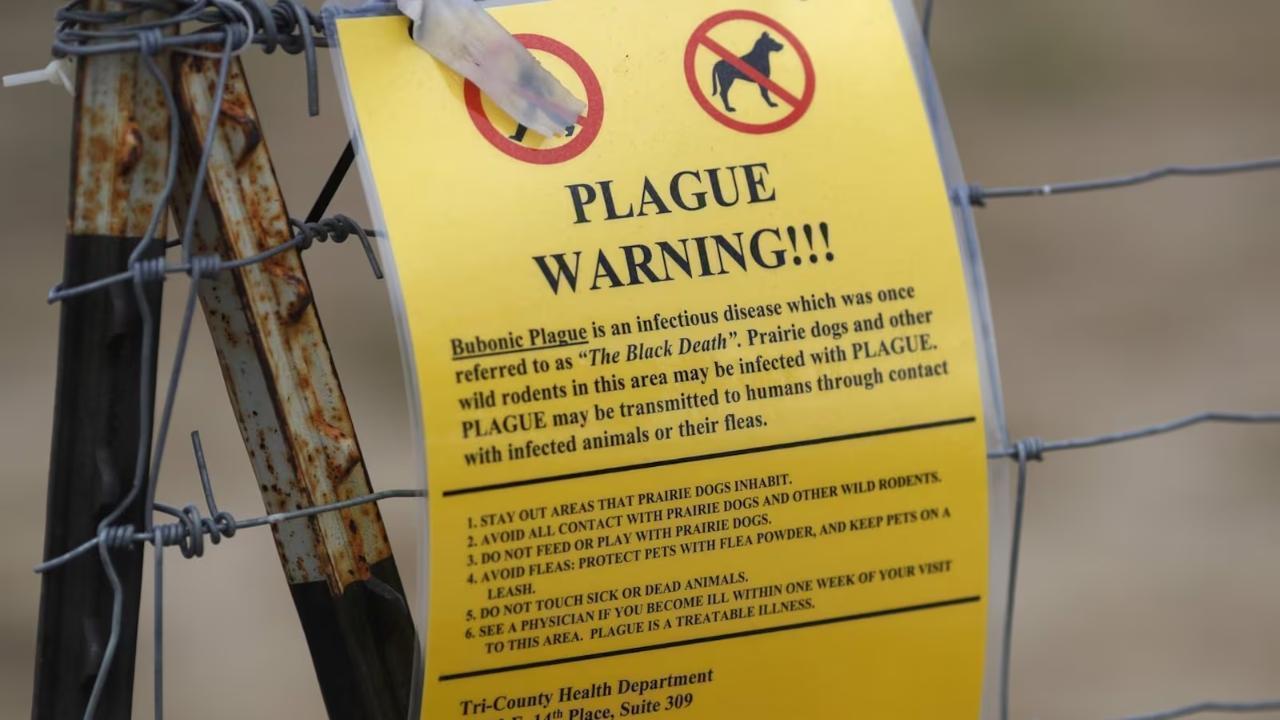
This incident occurred amid unrelated reports of prairie dog die-offs in the Townsend–Winona area. Though both events involve potential plague activity, investigators have stated that there is no known link between the two. Nevertheless, the death has prompted heightened surveillance of wildlife populations and further public advisories regarding plague prevention.
Geographic and Historical Context
Northern Arizona is part of a region in the western United States where plague is considered endemic. Other states in this zone include New Mexico, Colorado, and parts of California. Although plague was once associated with catastrophic pandemics in medieval Europe, it continues to persist in low levels among wild rodent populations, particularly prairie dogs and rock squirrels.
Each year, the United States records an average of seven plague cases, most of them occurring in rural or semi-rural areas. Human infections are typically linked to flea bites, contact with infected animals, or inhalation of respiratory droplets from infected humans or pets. Though modern medicine has drastically reduced mortality rates, pneumonic plague remains a medical emergency due to its rapid progression and potential for contagion.
How Plague Is Transmitted
Yersinia pestis is primarily maintained in nature through a cycle involving fleas and rodents. Humans can become infected in several ways:
-
Being bitten by an infected flea
-
Handling an animal that is sick or dead from plague
-
Inhaling respiratory droplets from an infected person or animal
Cats and other pets are also susceptible to plague and may serve as vectors if they are exposed to infected rodents or fleas. In rare cases, cats have transmitted the disease to humans through close contact.
Human-to-human transmission of pneumonic plague is considered rare in the United States and has not been documented since the early 20th century. However, due to the airborne nature of pneumonic plague, the possibility of transmission cannot be entirely dismissed, especially in households or close-contact settings.
Symptoms and Early Warning Signs
The symptoms of pneumonic plague typically develop within one to four days after exposure. They include:
Unlike the more common bubonic form, pneumonic plague does not usually present with swollen lymph nodes. If left untreated, the disease can progress to respiratory failure, shock, and death. Early diagnosis and rapid administration of antibiotics such as streptomycin, gentamicin, doxycycline, or ciprofloxacin are crucial to survival.
Medical Response and Testing
Upon confirmation of the case, Coconino County Health and Human Services (CCHHS) activated emergency protocols to monitor potential exposures and identify the source of infection. Close contacts of the deceased are being observed for any signs of respiratory illness or fever. At this time, no additional cases have been reported.
Healthcare providers in the region have been reminded to consider plague in their differential diagnosis for patients presenting with symptoms of severe pneumonia or respiratory distress, especially if the individual has been in contact with wild animals or rodents.
Public Health Recommendations
In response to this fatal case, local health officials have issued several recommendations to reduce the risk of exposure to plague:
-
Avoid contact with wild rodents and their burrows, especially in areas where plague activity has been reported.
-
Do not handle sick or dead animals. If necessary, use gloves and protective equipment.
-
Keep pets on a leash and prevent them from roaming or hunting wild animals.
-
Ensure pets are treated with flea control medications.
-
Remove food sources and potential nesting areas for rodents around homes and campsites.
-
Use insect repellents when spending time outdoors, particularly in grassy or wooded areas.
CCHHS is also encouraging residents to report any unusual die-offs in rodent populations, particularly prairie dogs, as these events can serve as early indicators of plague outbreaks.
The Role of Veterinary Surveillance
Because domestic animals, particularly cats and dogs, can serve as hosts or carriers of plague, veterinary monitoring plays a critical role in public health. In some cases, infected pets may show signs of illness, including fever, lethargy, and swollen lymph nodes. Veterinarians are urged to report suspected cases to local health authorities and to educate pet owners about plague prevention.
Cats are especially vulnerable to plague and may contract the infection through hunting rodents or being bitten by infected fleas. In documented cases, cats have developed pneumonic plague and transmitted the bacteria to humans through respiratory droplets. Prompt diagnosis and isolation of infected animals are essential.
Seasonal Risks and Environmental Conditions
Plague activity tends to increase during warmer months, particularly from late spring through early fall. This is due to a rise in flea activity and greater interaction between humans and wildlife. Outdoor recreation, such as hiking, camping, and hunting, can increase exposure risks, particularly in regions where plague is endemic.
Rodent population density and environmental factors such as drought or food scarcity can also affect plague dynamics. During times of increased stress, infected fleas may seek alternative hosts, including pets and humans. Monitoring these ecological indicators helps public health officials assess and mitigate risks.
Preventative Strategies and Education
Public health campaigns focusing on plague prevention are critical in endemic areas. Outreach efforts include distributing informational flyers, posting warnings in recreational areas, and conducting community education programs. Local authorities are working with schools, park services, and veterinary clinics to spread awareness.
Individuals visiting Northern Arizona or similar regions are advised to stay on designated trails, avoid touching wild animals, and supervise children and pets at all times. Hunters should exercise caution when handling game, especially rabbits, squirrels, and rodents, and should wear gloves when skinning animals.
What to Do if You Suspect Infection
Anyone experiencing symptoms such as fever, cough, or chest pain after spending time outdoors in plague-endemic areas should seek immediate medical attention. Early diagnosis is key to effective treatment and recovery. Medical personnel should be informed of any recent wildlife exposure, insect bites, or travel to rural areas.
Hospitals and clinics in Arizona are equipped to handle suspected cases and will coordinate with public health departments for testing and contact tracing. Isolation precautions may be necessary for patients presenting with pneumonic symptoms to prevent possible transmission.
Surveillance Efforts and Wildlife Monitoring
Following this death, wildlife biologists and environmental health workers are increasing surveillance in the surrounding region. Rodent burrows, flea populations, and predator species are being assessed for signs of infection. This includes trapping, testing, and monitoring prairie dog colonies, which are known to be highly sensitive to plague outbreaks.
The collaboration between environmental agencies, public health officials, and veterinary specialists forms the backbone of plague response protocols. Early detection in wildlife can trigger preventative measures in human populations.
Long-Term Public Health Planning
Arizona’s Department of Health Services, in cooperation with federal partners such as the Centers for Disease Control and Prevention (CDC), is reviewing its plague preparedness strategy. This includes ensuring adequate supplies of antibiotics, laboratory testing capacity, and public communication resources.
Training programs for medical personnel, wildlife officers, and first responders are being updated to include scenarios involving pneumonic plague. Simulation exercises and emergency response drills are also planned to ensure readiness for future incidents.
Conclusion and Public Assurance
While the recent death from pneumonic plague in Northern Arizona is deeply concerning, public health experts stress that such cases are exceedingly rare. With proper precautions, education, and rapid medical treatment, the risk of contracting plague remains very low.
Residents and visitors are urged not to panic but to remain vigilant and follow the guidance provided by local authorities. By staying informed and taking simple preventative steps, the community can continue to enjoy the natural beauty of Arizona’s outdoors while minimizing health risks.