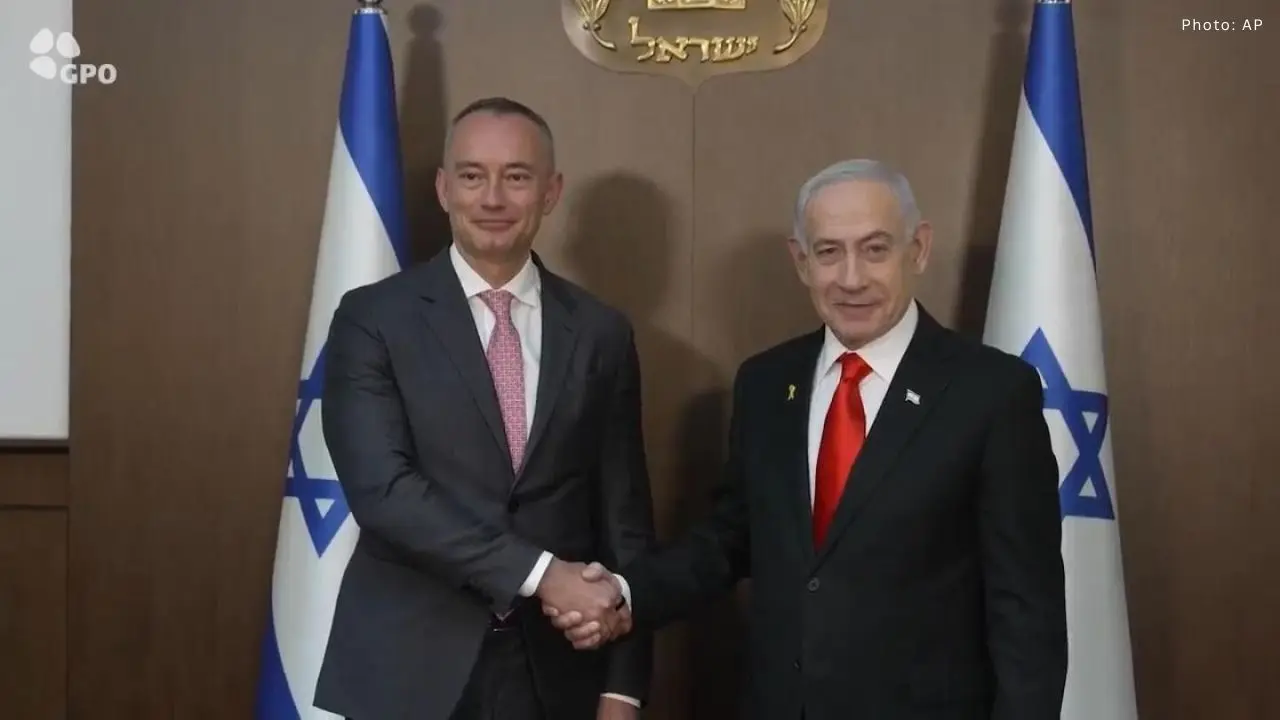
On Thursday, Israel announced the appointment of Bulgarian diplomat Nickolay Mladenov as the head of U.S. President Donald Trump’s Gaza Peace Initiative. This board is tasked with overseeing the ceasefire in Gaza and steering the subsequent phase of the peace negotiations.
Israeli Prime Minister Benjamin Netanyahu revealed the decision following a meeting with Mladenov in Jerusalem, stating that he will assume the role of director-general, managing the board's daily affairs directly.
A senior official from the U.S. government affirmed that Mladenov represents the choice of the Trump administration, although an official announcement from Washington is pending. It is anticipated that President Trump will chair the board, with additional members expected to be unveiled next week.
Objectives of the Gaza Peace Initiative
The Gaza Peace Initiative is pivotal to President Trump’s strategy in the Middle East. Its objectives encompass supervising the Gaza ceasefire and navigating the next multifaceted stage of the peace agreement.
Among its anticipated tasks are facilitating the establishment of a technocratic Palestinian government, advocating for disarmament of Hamas, overseeing an international security deployment, managing further Israeli troop withdrawals, and coordinating the reconstruction of Gaza.
However, officials note that progress has been hindered by security threats, political friction, and humanitarian crises.
Mladenov’s Background
Nickolay Mladenov comes with extensive experience in international relations and regional diplomacy. He has previously held positions as Bulgaria's foreign and defense minister, and he has been involved with the United Nations in Middle East diplomacy.
Throughout his career, Mladenov established connections with both Israeli leaders and Palestinian representatives, engaging in efforts to mitigate tensions during conflicts between Israel and Hamas.
Israeli and U.S. officials assert that his regional expertise and diplomatic experience make him well-suited to lead this peace initiative.
Ceasefire Challenges
The ceasefire that was instituted in October concluded over two years of intense hostilities between Israel and Hamas. The first stage involved halting major military actions and the swap of Israeli captives for Palestinian detainees.
Nonetheless, the ceasefire's stability remains in question. Hamas has yet to return the remains of one Israeli hostage from the October 7, 2023 conflict, and Israel continues to conduct military operations, citing violations of ceasefire terms.
Palestinian health officials report significant casualties since the ceasefire started, including many civilians. Israel challenges some claims, asserting its military actions are defensive.
Humanitarian and Civilian Impact
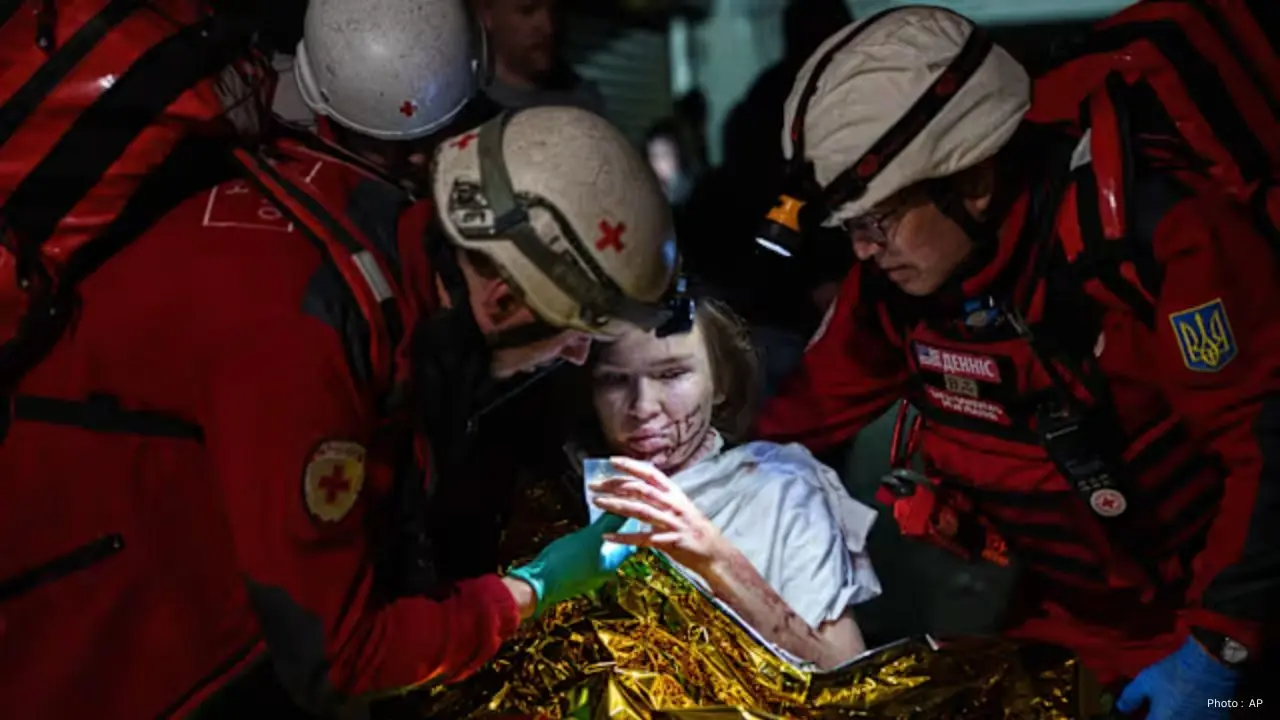
On Thursday, Israeli airstrikes reportedly resulted in at least eight fatalities and injuries to over a dozen in Gaza, including children and those sheltering in temporary accommodations.
Families impacted by these strikes voiced their doubts about the integrity of the ceasefire. Hamas condemned these deaths as breaches of the agreement while Israel insisted the strikes were responses to security threats.
This ongoing violence has sparked concerns among international observers regarding the ceasefire's viability.
Global Reactions
In Cairo, leaders from Egypt and the European Union advocated for deploying an international stabilization force in Gaza to uphold the ceasefire.
European delegates expressed alarm over the deteriorating humanitarian conditions in Gaza, citing Hamas’ unwillingness to disarm and hindrances faced by humanitarian organizations.
United Nations representatives echoed concerns that pressures on aid agencies could obstruct access to essential services, including healthcare and education, for the inhabitants of Gaza.