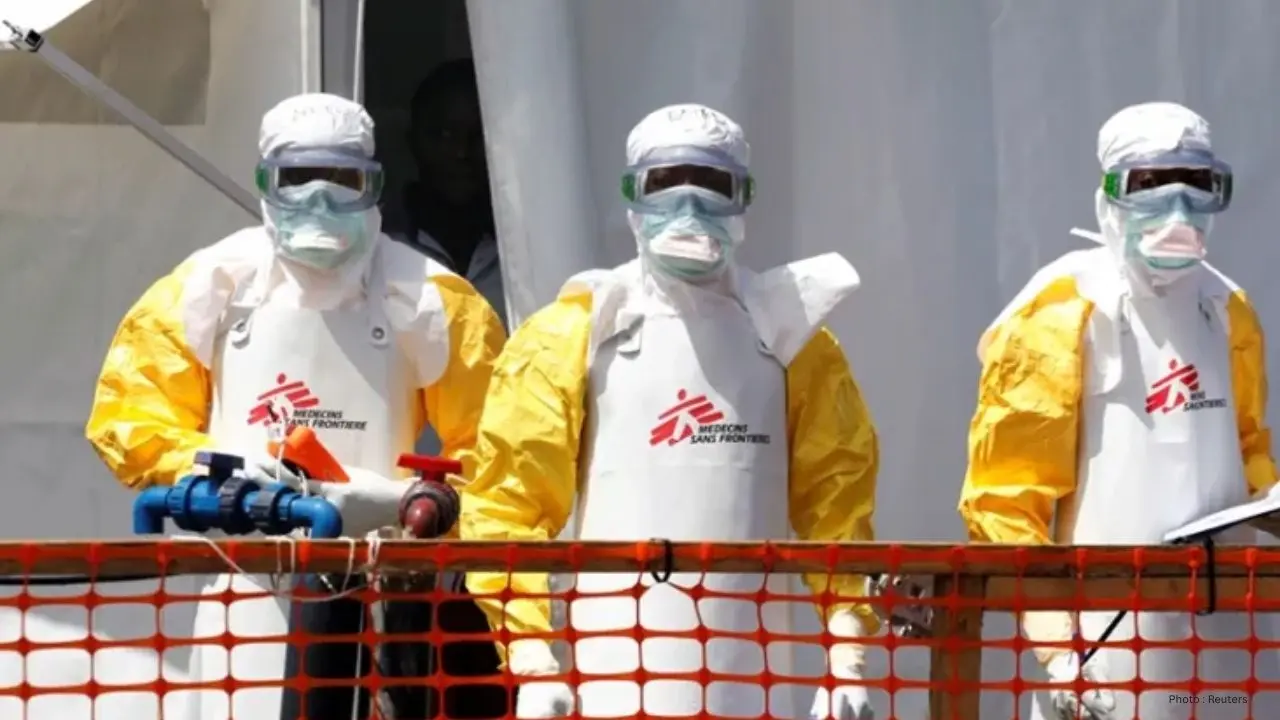
Health officials are closely monitoring a new Ebola outbreak in eastern Democratic Republic of the Congo after authorities confirmed multiple infections and deaths linked to the deadly virus. The outbreak has raised concerns among neighboring countries and international health organizations because the affected region lies near important border areas with frequent cross-border movement.
According to Congolese health authorities, cases were detected in eastern parts of the country where medical teams are now working to isolate patients, trace contacts, and strengthen emergency response measures. Officials confirmed that several people have died from the virus, while additional suspected cases are still under investigation.
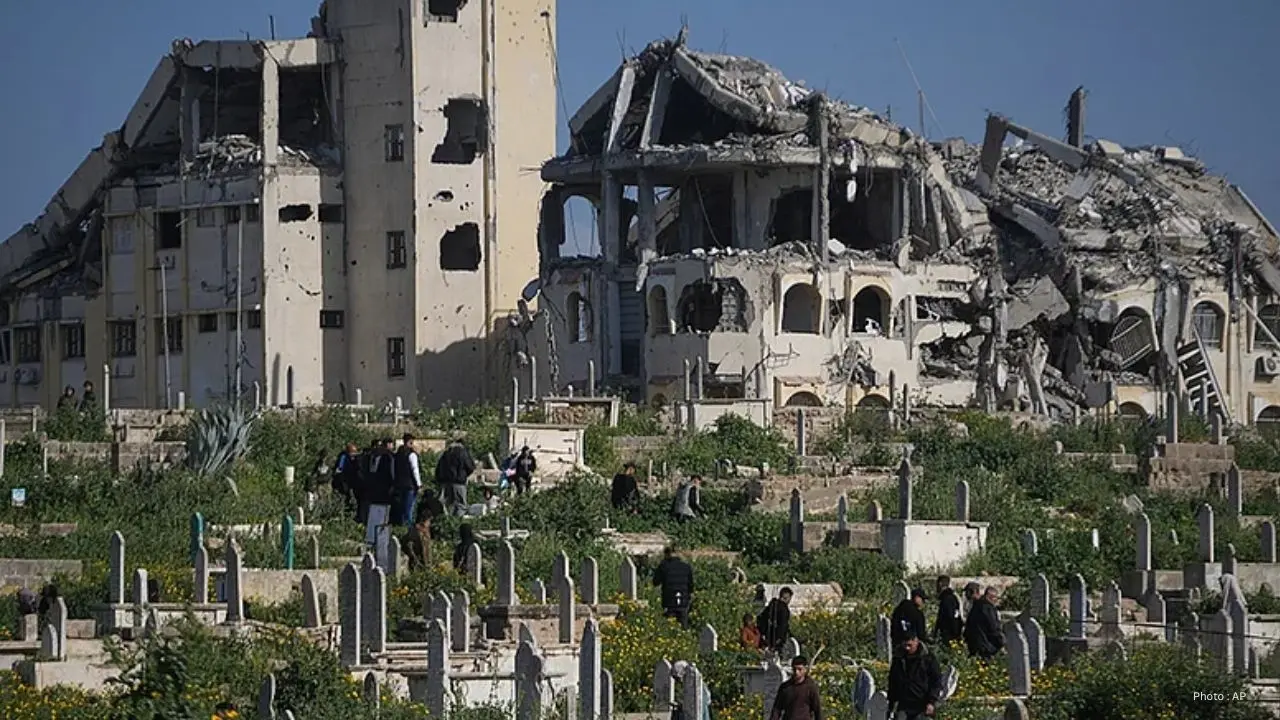
The outbreak has created serious concern because eastern DR Congo already faces difficult humanitarian and security conditions, including armed conflict, population displacement, and limited healthcare access. Health experts warn that those conditions can make it harder to quickly contain infectious diseases like Ebola, especially in remote or unstable areas.
International organizations including the World Health Organization have begun supporting local authorities with emergency response operations, surveillance systems, testing equipment, and medical supplies. Response teams are also working to identify people who may have come into contact with infected individuals in order to reduce the risk of wider transmission.
Neighboring countries have increased health monitoring at border crossings, airports, and transportation routes because of fears that infected travelers could unintentionally spread the virus across the region. Public health officials say cross-border trade and movement are common in eastern Congo, making regional cooperation extremely important during outbreak situations.
Ebola is a severe viral disease that spreads through direct contact with infected bodily fluids or contaminated materials. Symptoms often include fever, weakness, vomiting, diarrhea, and internal bleeding in severe cases. The disease has caused several deadly outbreaks in Africa over recent decades, including previous major outbreaks in DR Congo and West Africa.
Medical experts say rapid identification and isolation of cases are critical for controlling Ebola outbreaks. Vaccination campaigns, public awareness programs, and community cooperation are also considered important tools for limiting transmission. Health officials are encouraging residents in affected areas to report symptoms quickly and avoid contact with potentially infected individuals.
The new outbreak comes as many African healthcare systems continue facing pressure from limited medical resources and ongoing public health challenges. Aid organizations warn that fear, misinformation, and insecurity can sometimes slow emergency response efforts during Ebola outbreaks, making early intervention especially important.
Despite the concerns, health authorities say lessons learned from previous Ebola outbreaks have improved regional preparedness and response capabilities. International health agencies remain hopeful that fast action and coordinated monitoring can help prevent the outbreak from spreading more widely across Central Africa.