Navigating Public Transport in Dubai: Insights, Prices & Tips
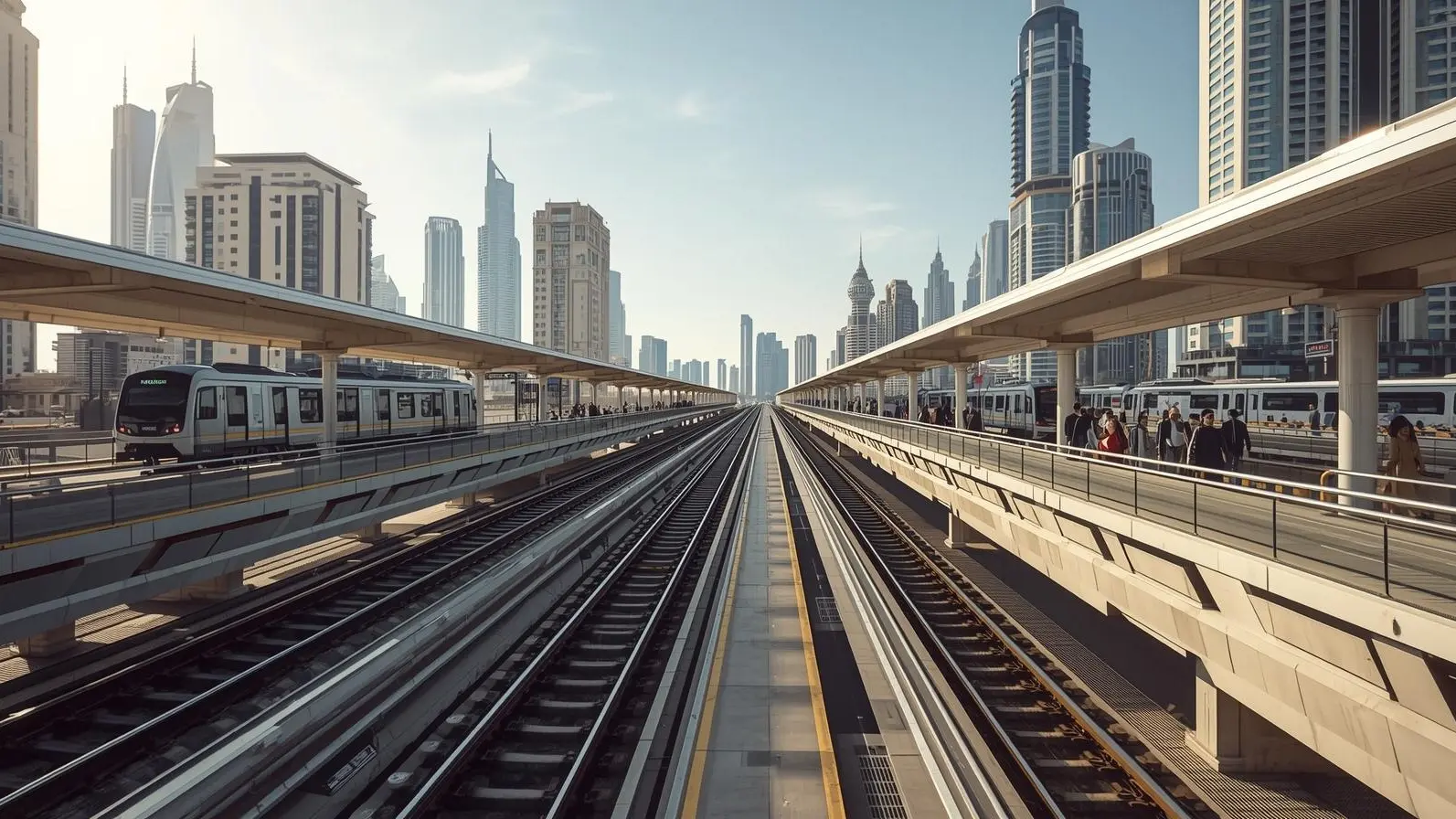
Many first-time visitors and even new residents are often misled about Dubai’s public transport system. While some believe the city is primarily car-reliant or taxi-driven, it has actually developed one of the most well-structured, economical, and technologically advanced public transport frameworks in the Middle East. Encompassing metro services, trams, buses, water transport, and smart payment cards, Dubai aims to provide a seamless, clean, and user-friendly experience.
Here’s a guide to how the public transport operates, fare structures, actual ticket prices, and practical tips for residents and tourists alike, ensuring confusion-free navigation.
The Authority Behind Dubai’s Transport System
The Roads and Transport Authority (RTA) is the governing body for all public transport in Dubai. It manages planning, pricing, safety measures, integration, and digital advancements. This centralized structure guarantees consistency across various transport types.
The system promotes cashless transactions, zone-based pricing, and effective connectivity across the network.
Understanding Dubai’s Public Transport Zones
Dubai is segmented into fare zones, with ticket prices based on the number of zones traversed rather than the distance covered.
-
Zone 1 encompasses key areas including Bur Dubai, Deira, and parts of Downtown
-
Zone 2 features areas like Al Barsha and neighboring communities
-
Zone 3 covers outer regions such as Jebel Ali and Expo City
Traveling within a single zone results in the lowest fares. When crossing multiple zones, the fare will slightly increase.
The Nol Card System Explained
At the heart of Dubai’s transit system is the versatile Nol Card.
Types of Nol Cards
-
Red Ticket: Ideal for tourists or short stays
-
Silver Nol Card: The most common choice for residents
-
Gold Nol Card: Similar to Silver but offers access to Gold Class cabins
-
Blue Nol Card: A personalized option for students, seniors, and certain categories
The Nol Card is valid across metro, buses, trams, and water transport.
How Dubai Metro Functions
The Dubai Metro serves as the backbone of the transport system, featuring fully automated, driverless services that are air-conditioned and timely.
Metro Lines
-
Red Line: Extends from Centrepoint (near DXB Airport) to Expo City
-
Green Line: Links Deira and Bur Dubai
The Red Line is particularly popular as it interconnects airports, business hubs, shopping malls, and tourist attractions.
Metro Stations and Accessibility
Stations are clearly marked, multilingual, and user-friendly. With features like elevators, escalators, tactile paths, and conspicuous signage, the system is accessible to all.
Dubai Metro Ticket Prices
Metro fees vary based on zones and card type.
With a Silver Nol Card, average fares include:
-
Travel within 1 zone: approximately AED 3
-
Travel across 2 adjacent zones: around AED 5
-
Travel over more than 2 zones: up to AED 7.5
Gold Class fare is generally double the Silver fare.
Various passes are available on daily, weekly, and monthly bases, leading to reduced costs for regular travelers.
Gold Class vs Silver Class
Gold Class provides:
Dubai Bus Network Overview
Dubai's bus network complements areas where the metro does not extend. These buses are modern, air-conditioned, and adhere to strict schedules.
Types of Buses
-
Local buses
-
Feeder buses linking metro stations
-
Intercity buses to Sharjah, Abu Dhabi, and other emirates
Most bus stops are sheltered, air-conditioned, and provide digital route information.
Bus Fares in Dubai
Bus fares are zone-based and directly deducted from the Nol Card.
Typical fares align with metro charges, making buses an excellent choice for everyday commuting.
Feeder bus rides to metro stations may also be included in the same fare if utilized within a certain timeframe.
Dubai Tram System
The Dubai Tram primarily operates in locales like Dubai Marina, JBR, and Al Sufouh.
Tram Benefits
-
Links metro stations with residential and coastal regions
-
Lessens taxi dependence in congested areas
-
Fully synchronized with the Nol Card system
Tram fares typically match single-zone metro rates.
Water Transport in Dubai
Dubai provides **water-based public transport**, merging functionality with breathtaking views.
Water Transport Options
-
Water Bus: Budget-friendly and route-focused
-
Dubai Ferry: Longer travels encompassing city landscapes
-
Abra: Traditional wooden boats, particularly in Deira and Bur Dubai
The classic Abra ride across Dubai Creek remains one of the most economical means of transport.
Water Transport Costs
Travel Passes and Cost Savings
Dubai provides daily, weekly, and monthly passes for regular users.
Benefits of Passes
-
Unlimited travel within select zones
-
Lower expenses per journey
-
Perfect for daily commuters
Monthly passes particularly benefit residents who frequently use metro and bus services.
Peak and Off-Peak Travel
Dubai does not implement surge prices for public transport. However:
-
Peak hours typically coincide with morning and evening work commutes
-
Trains may experience overcrowding during peak times
Ticket prices remain static regardless of travel hour, aiding in predictable budgeting.
Fines and Regulations to Be Aware Of
Dubai maintains stringent transport regulations to uphold order.
Common penalties include:
-
Traveling with insufficient balance
-
Entering Gold Class with a Silver card
-
Eating or drinking in metro areas
-
Crossing safety barriers
Fines are enforced digitally and deducted through official systems.
Taxis and Ride Services Integration
Public transport converges efficiently with taxi services.
Advantages for Tourists Using Public Transport
Tourists enjoy significant benefits from Dubai’s transport system.
-
Metro access directly connects to the airport
-
Quick access to major attractions
-
More economical compared to taxi fares
Red Tickets or Silver Nol Cards are usually sufficient for brief visits.
Public Transport Benefits for Residents
Residents experience reductions in:
Cleanliness and Safety Standards in Dubai
Dubai’s public transport is recognized for:
Digital Tools and Applications
The RTA provides applications for:
Contributing to Environmental Goals
Public transportation significantly contributes to Dubai’s sustainability targets.
Common Misconceptions About Dubai's Transport
-
It is neither slow nor antiquated
-
It is not costly in comparison to taxis
-
It effectively serves daily life, not merely tourists
Comprehending the system transforms the city's experience.
Final Thoughts on Navigating Dubai
Dubai’s public transport is efficient, affordable, and dependable. Once you grasp the concepts of zones, Nol cards, and core regulations, traveling across the city can be straightforward and reliable. Whether you’re a tourist, a newcomer, or a long-term professional, this system is tailored to save time, expenses, and effort.
Using public transport in Dubai isn’t merely a choice—it’s a smart urban mobility strategy.
Disclaimer
This article serves general informational purposes. Transport routes, tariffs, regulations, and services may evolve over time based on RTA policies and operational modifications. It is advisable to check with official RTA sources or station information for the latest and most accurate updates prior to travel.