As Myanmar heads to the polls, the nation grapples with a devastating civil conflict and one of Asia's most pressing humanitarian emergencies. Once among Southeast Asia's poorest regions, Myanmar has faced relentless challenges, from years of armed clashes to natural calamities and economic hardships.
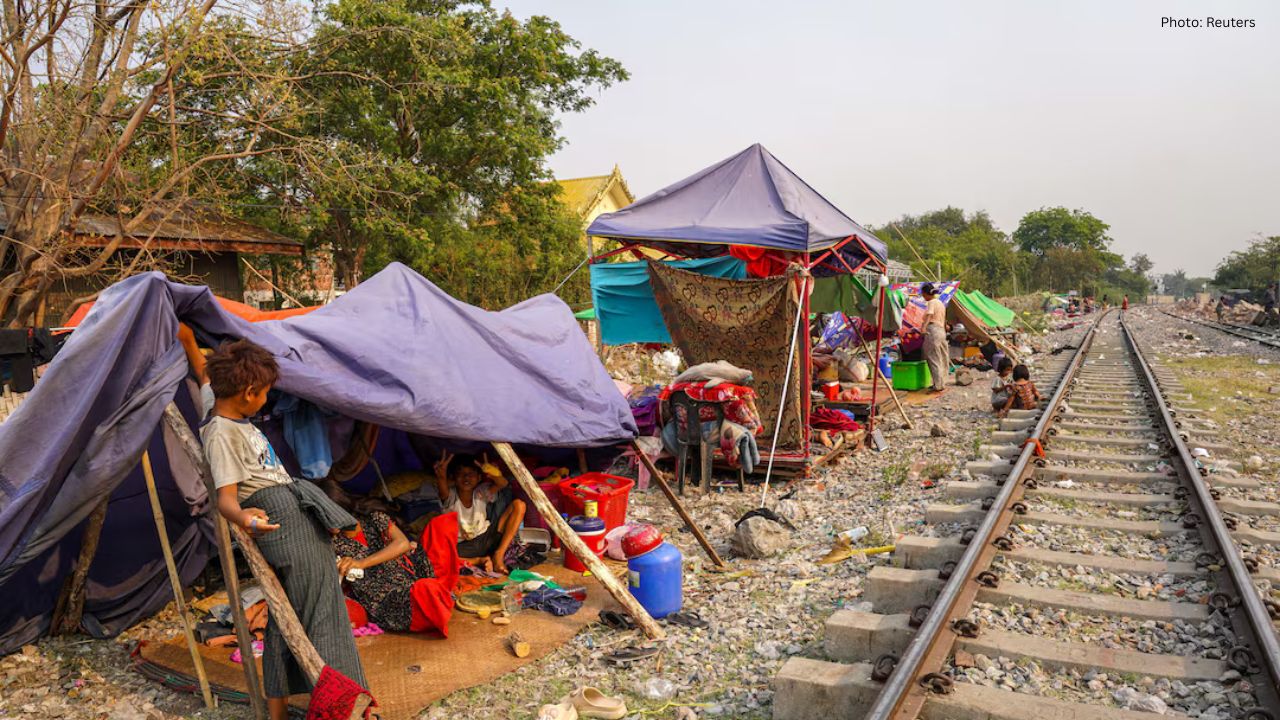
This turmoil escalated following the military's takeover in 2021, which ousted the democratically elected administration of Aung San Suu Kyi, a Nobel laureate. In the aftermath, clashes between military forces and opposing factions have resulted in extensive devastation. The United Nations reports over 6,800 civilian casualties and upwards of 3.6 million displaced individuals.
The humanitarian landscape remains grim. Recurring natural disasters, including a significant earthquake earlier this year, have compounded the nation's plight. Surging inflation and currency devaluation have plunged nearly half of the population into poverty. Currently, about 20 million people require humanitarian assistance, yet only a meager 12% of the necessary funds have been secured. Reductions in international aid, particularly from the U.S., have exacerbated the situation, severely affecting the most at-risk populations.
Food insecurity is alarming, with over 16 million individuals experiencing acute hunger, positioning Myanmar as a critical global hunger epicenter. The UN's World Food Programme anticipates that over one million people will seek life-saving food aid in the upcoming year. Children face heightened risks, with projections indicating that over 540,000 may endure severe malnutrition this year—a 26% increase from the previous year. Currently, nearly one in three children under five suffers from stunted growth due to chronic lack of nourishment.
Amid these trials, there are tentative indications of economic resurgence. The World Bank forecasts approximately 3% GDP growth for Myanmar in the next fiscal year, primarily driven by recovery efforts post-earthquake and assistance directed at the most impacted locales. Nevertheless, inflation exceeds 20%, and chronic electricity shortages compel families and businesses to increasingly depend on solar energy.
Global engagement remains limited yet persistent. Russia has initiated investment agreements in Myanmar, creating prospects for its energy sector in the country. However, political instability, media censorship, and inadequate infrastructure continue to obstruct progress.
The electoral process unfolds in an extraordinary environment. Millions inhabit conflict-ridden areas, struggling with hunger and displacement, complicating their ability to engage in the voting process. Observers remain vigilant to evaluate whether the elections will promote stability or deepen existing divides.
While Myanmar votes, the paramount concern for its people remains survival, satisfying fundamental needs, and seeking peace. These elections not only serve as a political litmus test but also underscore the pressing humanitarian challenges confronting millions of citizens.