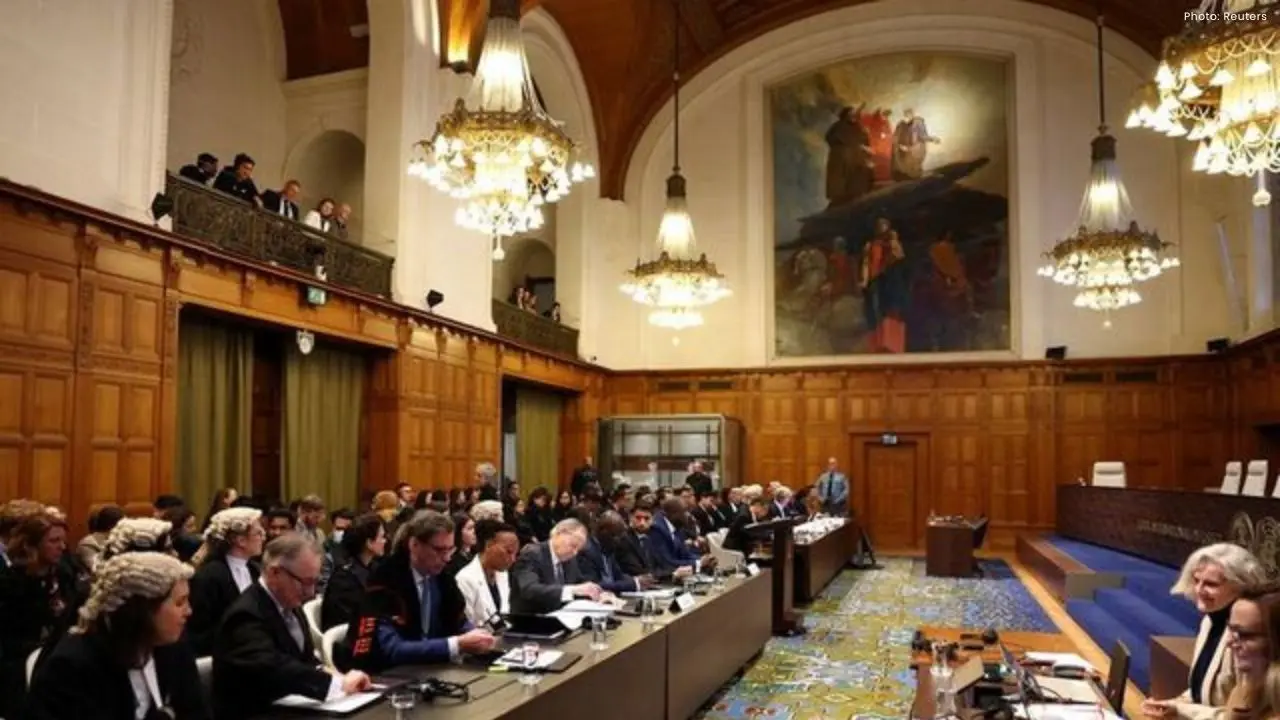
Myanmar has presented its case to the United Nations’ top court, denying any genocide against the Rohingya Muslim community and asserting that the claims made by Gambia fail to meet the necessary legal criteria for such a grave accusation. This assertion was delivered during ongoing hearings at the International Court of Justice (ICJ) in The Hague, where both parties are presenting their perspectives and evidence.
Gambia, a country in West Africa with a predominantly Muslim populace, initiated this case in 2019, purporting to represent the global community in safeguarding the Rohingya, who are alleged to be targets of destruction by Myanmar’s regime. Myanmar strongly rejects these allegations, emphasizing that Gambia's claims are rooted in unsubstantiated assertions rather than confirmed evidence.
In court, a representative from Myanmar's administration contended that Gambia had not fulfilled the requisite burden of proof to substantiate genocide as per international legal standards. He urged the judges to decide based on confirmed realities rather than emotional, unverified accusations. Myanmar claimed that the evidence put forth does not indicate any intention to eliminate the Rohingya population.
The focus of this case particularly concerns incidents from 2017, during which Myanmar's military executed a vast campaign in Rakhine State, leading to over 700,000 Rohingya fleeing into neighboring Bangladesh. Refugees have recounted experiences of indiscriminate killings, sexual violence, and the destruction of homes. A United Nations inquiry concluded that the military’s actions could constitute genocidal acts.
Myanmar's officials argue that the 2017 campaign was a reaction to ops by armed factions, conducted as part of counter-terrorism operations. They critiqued the UN inquiry, deeming it lacking in objectivity and credibility. According to them, the military's actions were directed toward re-establishing order rather than targeting civilians due to their ethnic or religious identities.
In stark contrast, Gambia's legal representatives argued to the judges that the extent and nature of violence could not simply be regarded as routine security measures. They maintained that civilians—including vulnerable groups such as women, children, and the elderly—were intentionally targeted, with entire villages being obliterated. Gambia stated that these acts clearly suggest an intent to eradicate the Rohingya as a community, a cornerstone for proving genocide.
The International Court of Justice addresses conflicts between nations rather than individuals, and its decisions may take years to finalize. Nonetheless, its rulings hold significant influence, potentially reshaping the application of international law globally. This case marks the first comprehensive genocide trial at the ICJ in over a decade, rendering it particularly notable.
The implications of the verdict could extend beyond Myanmar, with legal analysts believing the ruling might guide future genocide cases in various conflicts. Additionally, it continues to spotlight the plight of the Rohingya, many of whom endure harsh conditions in refugee camps.
Domestically, Myanmar grapples with severe political turmoil. Following the military coup in 2021, widespread unrest and violence have occurred. Although the government is conducting staged elections, these have faced criticism from the UN and human rights organizations as being unfair. Myanmar's military rulers refute these allegations, insisting that their electoral process has public backing.
As the hearings carry on, the judges are set to meticulously review the presented arguments and evidence. For the Rohingya, this case offers a rare opportunity for acknowledgment and justice for their enduring suffering. The final verdict will be closely monitored, given its potential to influence international response towards genocide allegations.